Japan Clarifies Export Ban on Aviation Fuel to Russia Extends to Third Countries
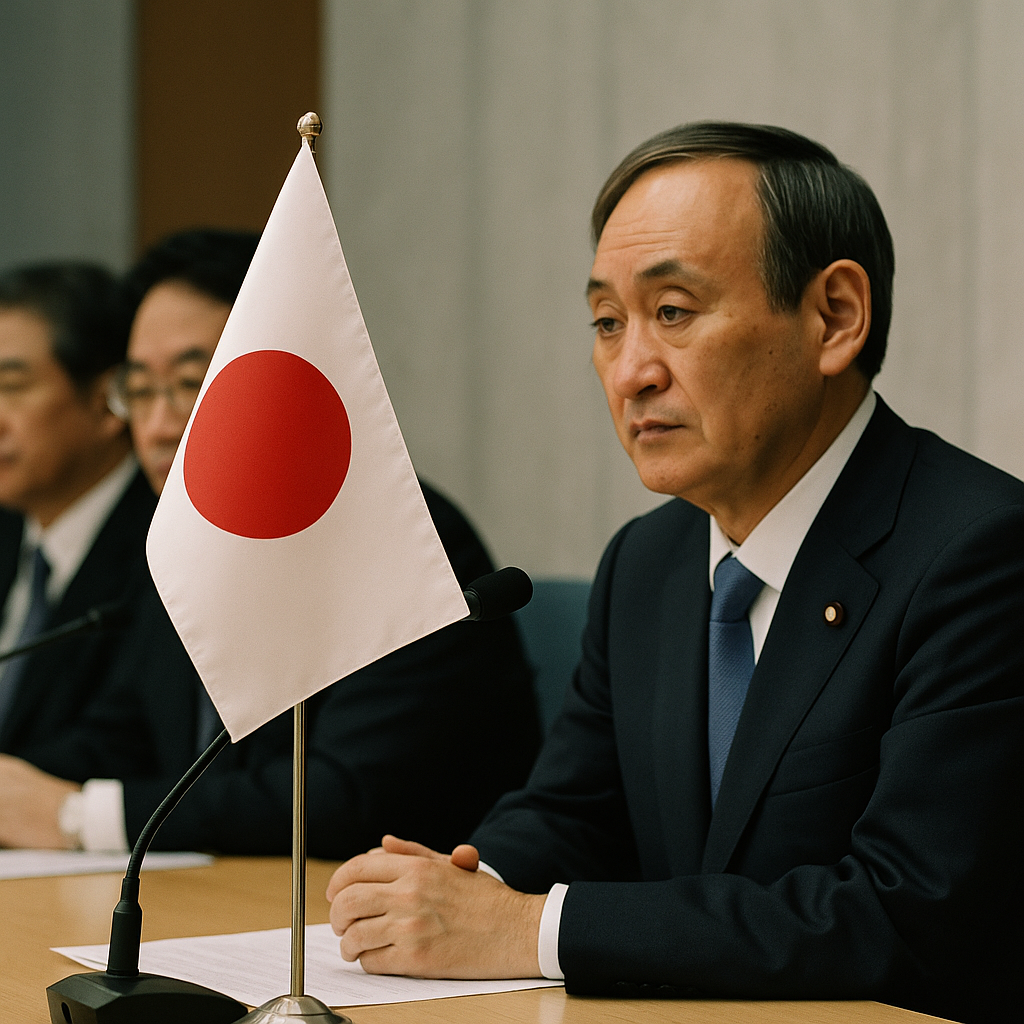
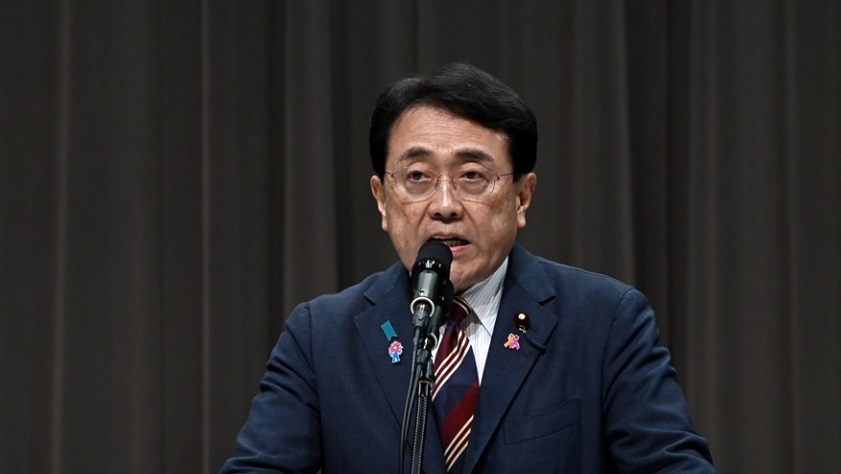
The Japanese government has issued a clarifying statement regarding its export restrictions on aviation fuel destined for Russia, emphasizing that the prohibition extends beyond direct shipments to include exports routed through third countries. This clarification comes amid ongoing international efforts to tighten sanctions against Russia and close potential loopholes that could allow restricted goods to reach their intended destination through intermediary nations.
Japanese officials confirmed that the existing ban on aviation fuel exports to Russia encompasses all possible delivery routes, including those that might attempt to circumvent restrictions by passing through other countries before reaching Russian territory. The measure represents Japan’s commitment to maintaining the integrity of international sanctions and preventing what experts commonly refer to as “sanctions evasion” or “sanctions circumvention” through third-party trade arrangements.
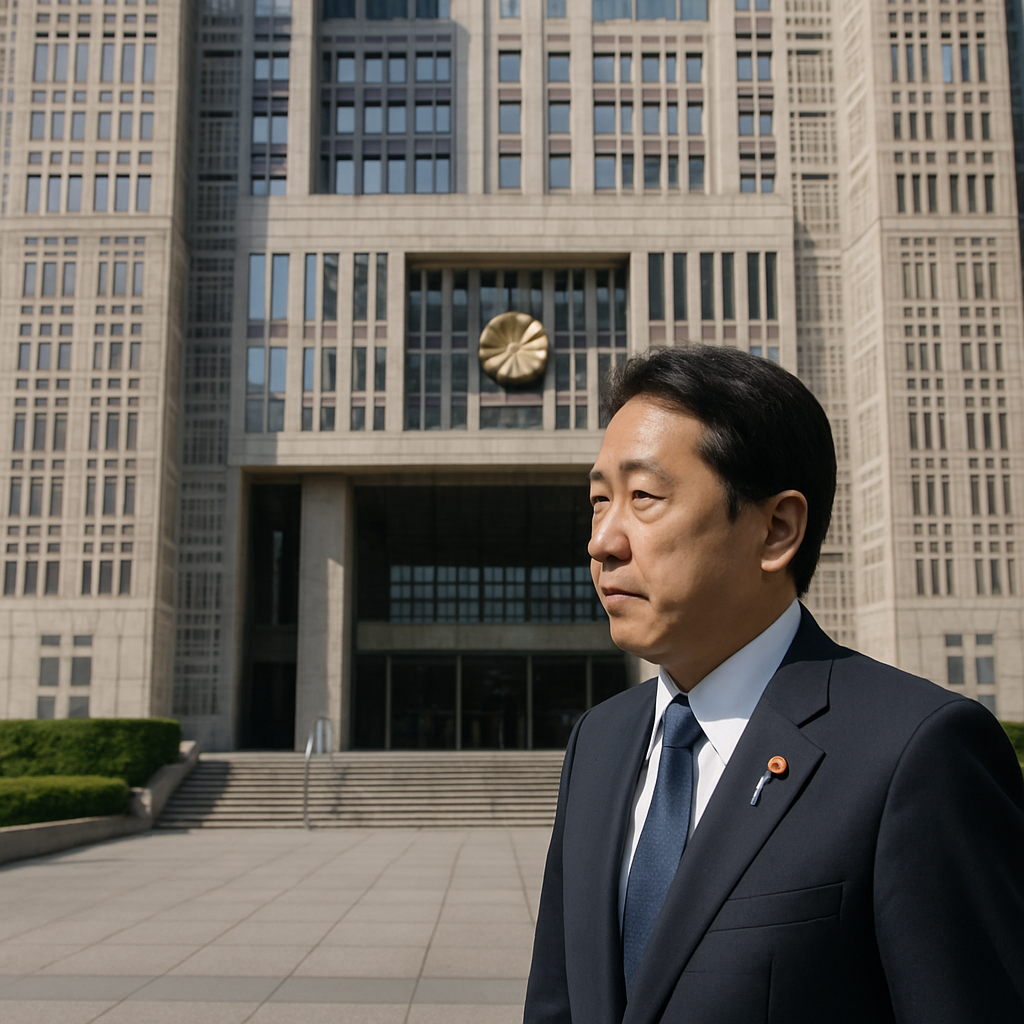
This policy stance aligns with broader coordinated efforts among G7 nations to ensure that economic pressure on Russia remains effective. Japan, as a member of this influential group of industrialized democracies, has been actively participating in multilateral sanctions since 2022. The country initially imposed restrictions on exports of various strategic goods, including semiconductors, luxury items, and energy-related products. Aviation fuel represents a particularly sensitive category given its dual-use potential for both civilian and military aircraft operations.
The aviation fuel export ban is part of Japan’s comprehensive sanctions package that has evolved significantly over the past two years. Historically, Japan maintained relatively limited economic ties with Russia compared to European nations, but the country has nonetheless aligned itself firmly with Western allies in responding to geopolitical developments. Japanese exports to Russia have declined substantially since sanctions were implemented, affecting various sectors from automobiles to advanced technology products.

International sanctions experts have long warned about the challenges of enforcement, particularly when it comes to preventing goods from reaching sanctioned countries through complex trade networks. Third-country transshipment has emerged as one of the primary methods used to evade export controls, with goods often passing through multiple jurisdictions before reaching their final destination. Countries in Central Asia, the Caucasus region, and even certain European nations have seen unusual spikes in imports of sanctioned goods, raising concerns among Western policymakers about the effectiveness of existing restrictions.
Japan’s explicit statement about third-country coverage addresses these concerns directly by establishing clear legal grounds for pursuing violations regardless of the shipping route. This approach mirrors similar measures taken by the European Union and the United States, which have also strengthened their sanctions frameworks to capture indirect exports. The coordination among allied nations is crucial because individual country measures can only be truly effective when implemented as part of a unified international response.
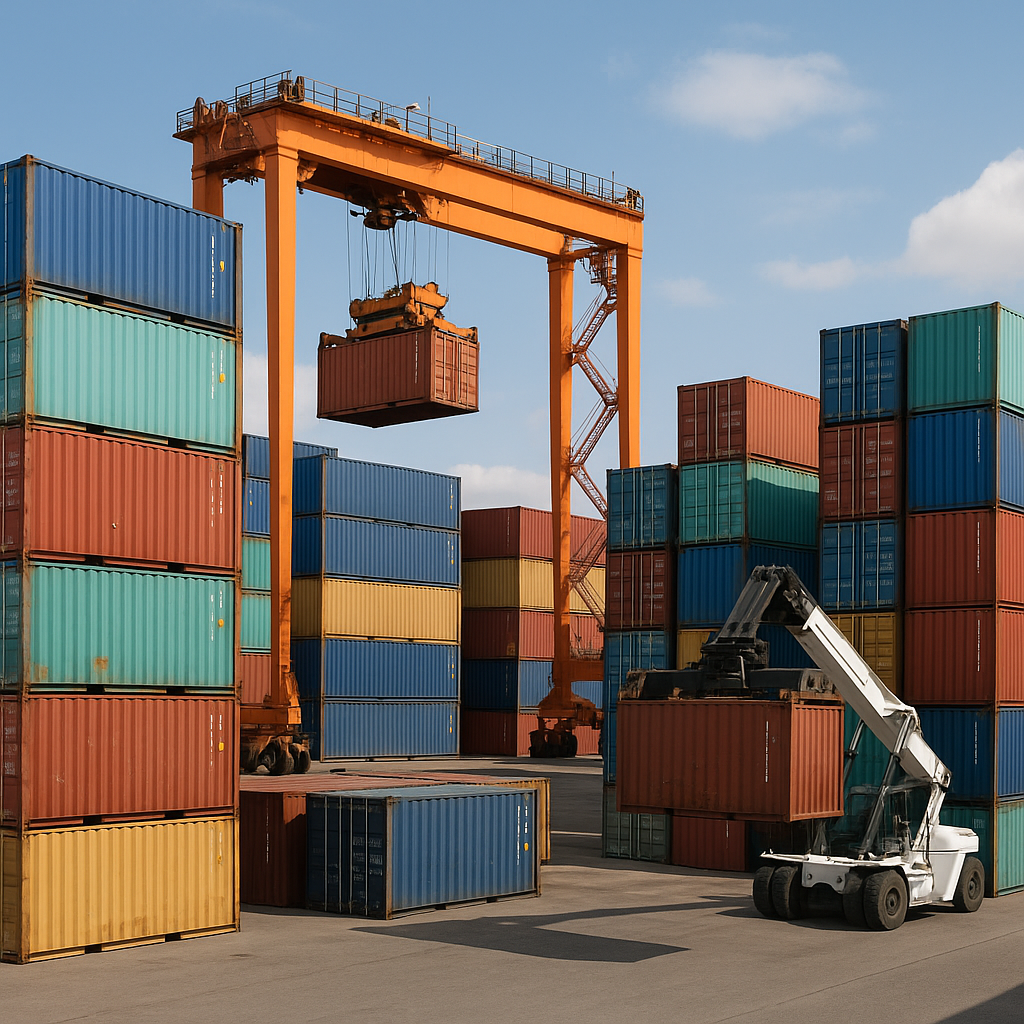
The practical enforcement of such broad restrictions presents significant challenges for Japanese authorities and businesses alike. Companies involved in fuel trading must now implement enhanced due diligence procedures to ensure their products do not ultimately end up in Russia, even when initial buyers are located in non-sanctioned countries. This includes monitoring end-user certificates, tracking shipment routes, and maintaining comprehensive documentation of all transactions. Violations of export control regulations in Japan can result in severe penalties, including substantial fines and criminal prosecution for responsible individuals.
Looking ahead, the Japanese government’s clear communication on this matter serves both diplomatic and practical purposes. Diplomatically, it signals Japan’s unwavering commitment to the international sanctions coalition and reinforces the country’s position as a reliable partner in maintaining global security architecture. Practically, it provides businesses with explicit guidance on compliance requirements, reducing ambiguity that might otherwise lead to inadvertent violations. As the international community continues to refine and strengthen sanctions mechanisms, such clarifications become increasingly important in ensuring that economic measures achieve their intended objectives without creating unnecessary confusion for legitimate commercial activities.