
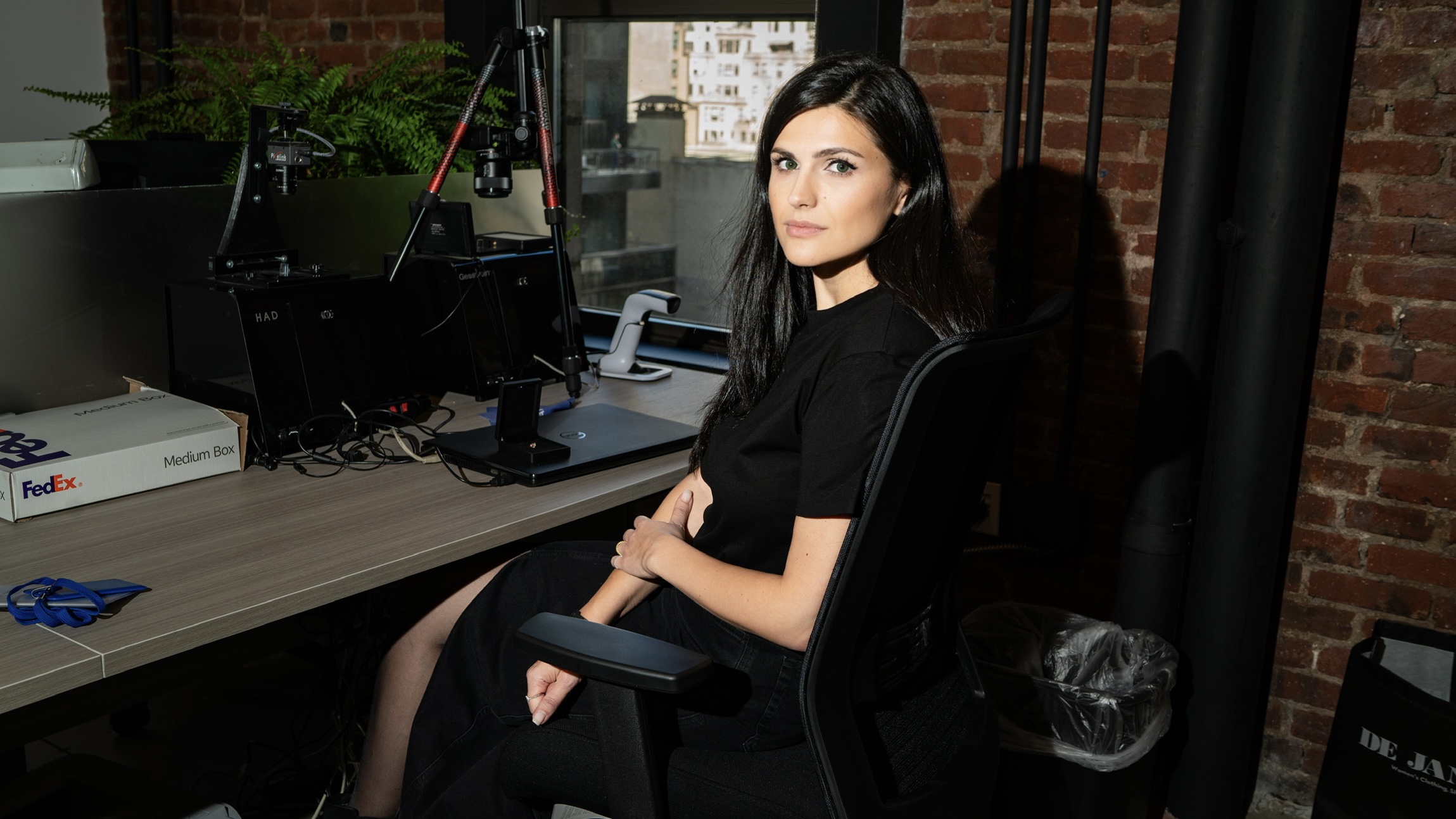
“It Hit Our Reputation Hard”: Solo for Diamonds Founder on Building a Jewelry Brand in America, Marketing Strategy, and the Midas Scandal
Yulia Kusher, the founder of luxury jewelry brand Solo for Diamonds, has opened up about the challenges and triumphs of establishing a high-end jewelry business in the competitive American market. In a candid interview, the entrepreneur discussed her aggressive marketing strategy, the complexities of the diamond industry, and addressed the controversy surrounding her brand’s connection to a figure involved in the notorious “Midas” criminal case. Her story offers a fascinating glimpse into the world of luxury jewelry entrepreneurship and the delicate balance between business growth and reputation management.
The American jewelry market represents one of the most lucrative yet challenging environments for luxury brands. The United States accounts for approximately 40% of global diamond jewelry consumption, making it an essential territory for any serious jewelry business. Kusher recognized this opportunity early and made the strategic decision to establish Solo for Diamonds’ primary presence in the US market. The brand specializes in high-quality diamond pieces, targeting affluent consumers who value both craftsmanship and exclusivity. Building a jewelry brand from scratch in such a competitive landscape requires not only exceptional products but also substantial investment in brand awareness and customer trust.
One of the most striking aspects of Kusher’s business strategy is her commitment to reinvesting 50% of the company’s profits directly into marketing efforts. This aggressive approach to brand building is somewhat unconventional in the traditionally conservative jewelry industry, where many established houses rely heavily on heritage and word-of-mouth reputation. However, Kusher argues that in today’s digital age, consistent and strategic marketing investment is essential for emerging brands to compete with century-old jewelry houses. This reinvestment strategy encompasses everything from social media campaigns and influencer partnerships to high-profile event sponsorships and digital advertising across premium platforms.
The jewelry industry has undergone significant transformation in recent years, with digital marketing and e-commerce becoming increasingly important channels for reaching luxury consumers. Traditional jewelry retailers have been forced to adapt their strategies as younger generations of wealthy buyers conduct extensive online research before making significant purchases. Solo for Diamonds has positioned itself at the intersection of traditional luxury craftsmanship and modern marketing techniques, creating content that educates consumers about diamond quality while showcasing the brand’s unique designs. This dual approach has helped the brand carve out a niche in the crowded marketplace.
However, the brand’s growth trajectory has not been without significant challenges. Kusher addressed the elephant in the room during her interview: the scandal involving a connection to an individual implicated in the “Midas” case. The Midas investigation, which has captured considerable attention in business circles, involves allegations of financial improprieties and has entangled various business figures in its web. While Kusher did not elaborate on the specific nature of the connection, she was forthright about the impact it has had on her company. “It hit our reputation hard,” she admitted, acknowledging that in the luxury goods sector, where trust and prestige are paramount, any association with scandal can have devastating consequences.
The reputational damage from such associations can be particularly severe in the jewelry industry, where consumers are making significant emotional and financial investments. Diamond purchases often commemorate life’s most important moments—engagements, anniversaries, and milestone celebrations—making trust in the brand absolutely essential. Kusher has reportedly taken steps to distance the brand from any controversial associations while maintaining transparency with stakeholders. Industry analysts note that how a company handles crisis situations often determines its long-term viability, and Kusher’s willingness to address the issue directly rather than avoid it entirely may ultimately serve the brand well in rebuilding consumer confidence.
Despite these challenges, Kusher remains optimistic about Solo for Diamonds’ future in the American market. The US luxury jewelry sector continues to show resilience, with high-net-worth individuals maintaining their appetite for premium diamond pieces even during economic uncertainty. The brand’s focus on quality craftsmanship, combined with its modern marketing approach and transparent communication during difficult times, positions it to potentially emerge stronger from this challenging period. As Kusher continues to navigate the complex landscape of luxury jewelry entrepreneurship, her story serves as both a cautionary tale about the fragility of reputation and an inspiring example of resilience in the face of adversity.