
Ukraine’s Gambling Industry Fights to Capture $1.5 Billion Market from Illegal Russian-Linked Operations
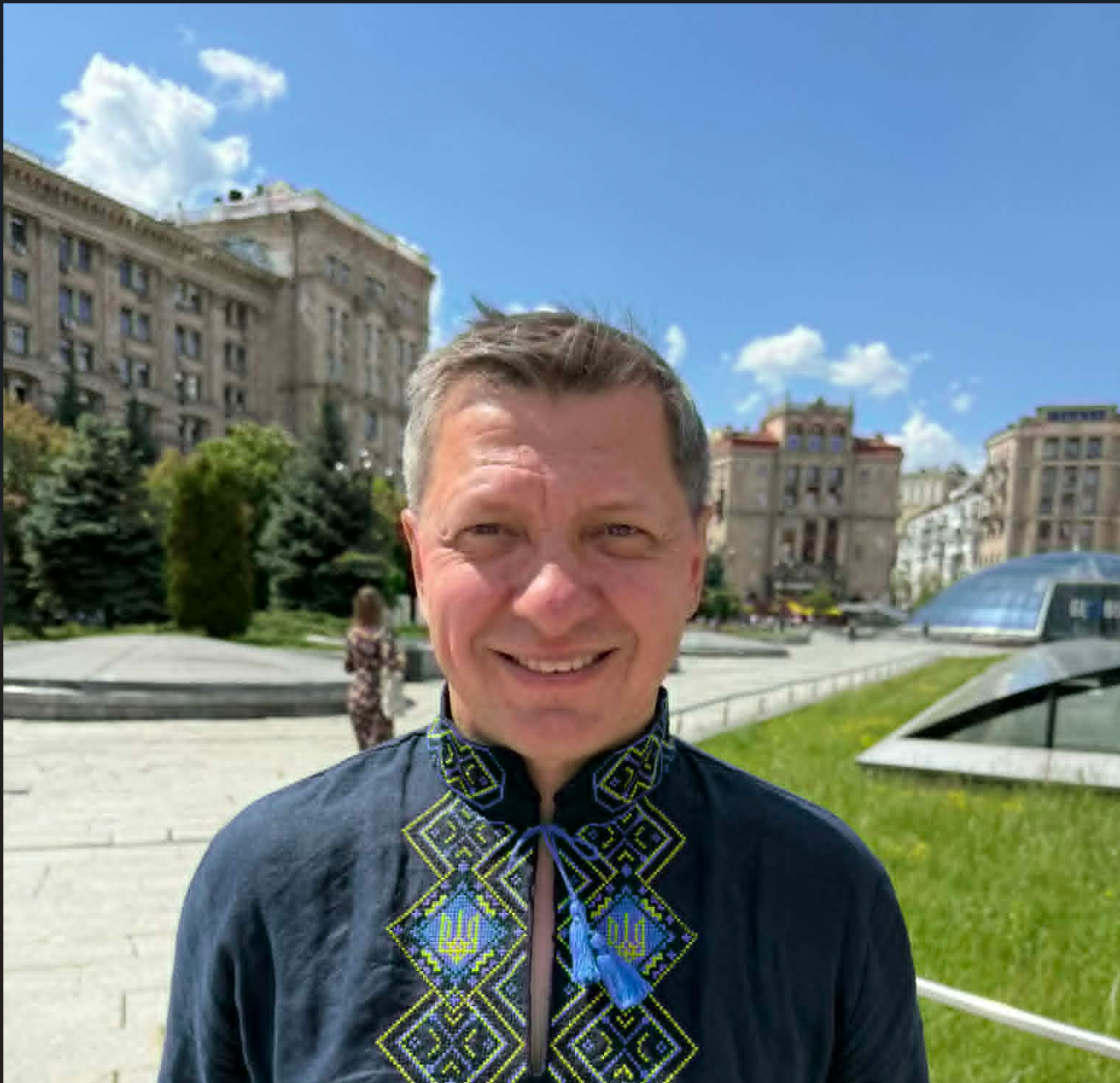
In a bold declaration that highlights the ongoing battle for Ukraine’s gambling market, Alexander Kogut, President of the Association of Ukrainian Gambling Operators, has announced the industry’s ambitious goal of wresting a market worth 62 billion hryvnias (approximately $1.5 billion) from illegal operators with ties to Russia. This statement comes amid heated debates about new restrictions on military personnel and growing concerns that the Ukrainian government’s regulatory approach may inadvertently benefit underground gambling networks.
The Ukrainian gambling industry has undergone a dramatic transformation since its legalization in 2020, when the country ended a decade-long ban on casinos, slot machines, and betting operations. The legislation, signed by President Volodymyr Zelensky, was designed to bring a thriving black market into the legal fold, generate substantial tax revenue, and eliminate the influence of criminal organizations that had dominated the sector. However, four years later, industry insiders argue that illegal operations continue to flourish, with many allegedly maintaining connections to Russian business interests that pose both economic and national security threats.
Kogut’s concerns center on what he describes as a regulatory environment that inadvertently favors illegal operators. Legal gambling establishments face stringent licensing requirements, significant tax burdens, and extensive compliance obligations. Meanwhile, underground casinos and online platforms operate without these constraints, offering more attractive odds to players while funneling profits outside the country. According to industry estimates, illegal gambling operations currently control a substantial portion of the Ukrainian market, with revenues that exceed those of licensed operators. The association argues that without a more balanced regulatory approach, legitimate businesses cannot compete effectively.
The debate has intensified with the introduction of proposed restrictions that would prohibit active military personnel from participating in gambling activities. While proponents argue that such measures are necessary to protect soldiers from addiction and financial hardship during wartime, Kogut and other industry representatives warn that these restrictions may simply drive military personnel toward unregulated platforms. With over one million Ukrainians currently serving in various military capacities, this demographic represents a significant portion of potential customers. Critics of the ban suggest that education and responsible gambling programs would be more effective than outright prohibition.
The historical context of gambling regulation in Ukraine reveals a pattern of policy shifts that have created uncertainty in the market. The original 2009 ban came in response to public concerns about gambling addiction and the proliferation of slot machine halls in residential areas. However, the prohibition did little to eliminate gambling itself; instead, it drove the industry underground, where criminal organizations established sophisticated networks of illegal casinos and online platforms. The 2020 legalization was supposed to reverse this trend, but implementation challenges and the subsequent Russian invasion in 2022 have complicated efforts to establish a fully functional regulatory framework.
International experts in gambling regulation have noted that Ukraine’s situation reflects broader challenges faced by countries attempting to transition from prohibition to regulated markets. Successful transitions in jurisdictions like the United Kingdom, Malta, and various U.S. states have typically required several years of adjustment, substantial investment in enforcement capabilities, and ongoing dialogue between regulators and industry stakeholders. The wartime context adds unprecedented complexity to Ukraine’s efforts, as resources that might otherwise support regulatory enforcement are necessarily directed toward defense priorities.
The economic stakes extend beyond the gambling industry itself. Tax revenues from legal gambling operations contribute to government coffers at a time when Ukraine faces enormous financial pressures related to defense spending and reconstruction. Industry associations estimate that a fully regulated market could generate billions of hryvnias in annual tax revenue, funds that currently flow to illegal operators or leave the country entirely. Moreover, the legal gambling sector employs thousands of Ukrainians and supports related industries including hospitality, technology, and entertainment.
Looking ahead, Kogut and his association are advocating for a comprehensive reform package that would reduce regulatory barriers for legal operators while enhancing enforcement against illegal platforms. Proposed measures include streamlined licensing procedures, tax incentives for compliance, and increased penalties for unlicensed operations. The association also supports the development of sophisticated monitoring systems to identify and block illegal online gambling platforms, many of which operate from servers located in Russia or Russian-allied territories. As Ukraine continues to navigate the challenges of wartime governance, the outcome of this regulatory battle will have lasting implications for both the gambling industry and the broader economy.