
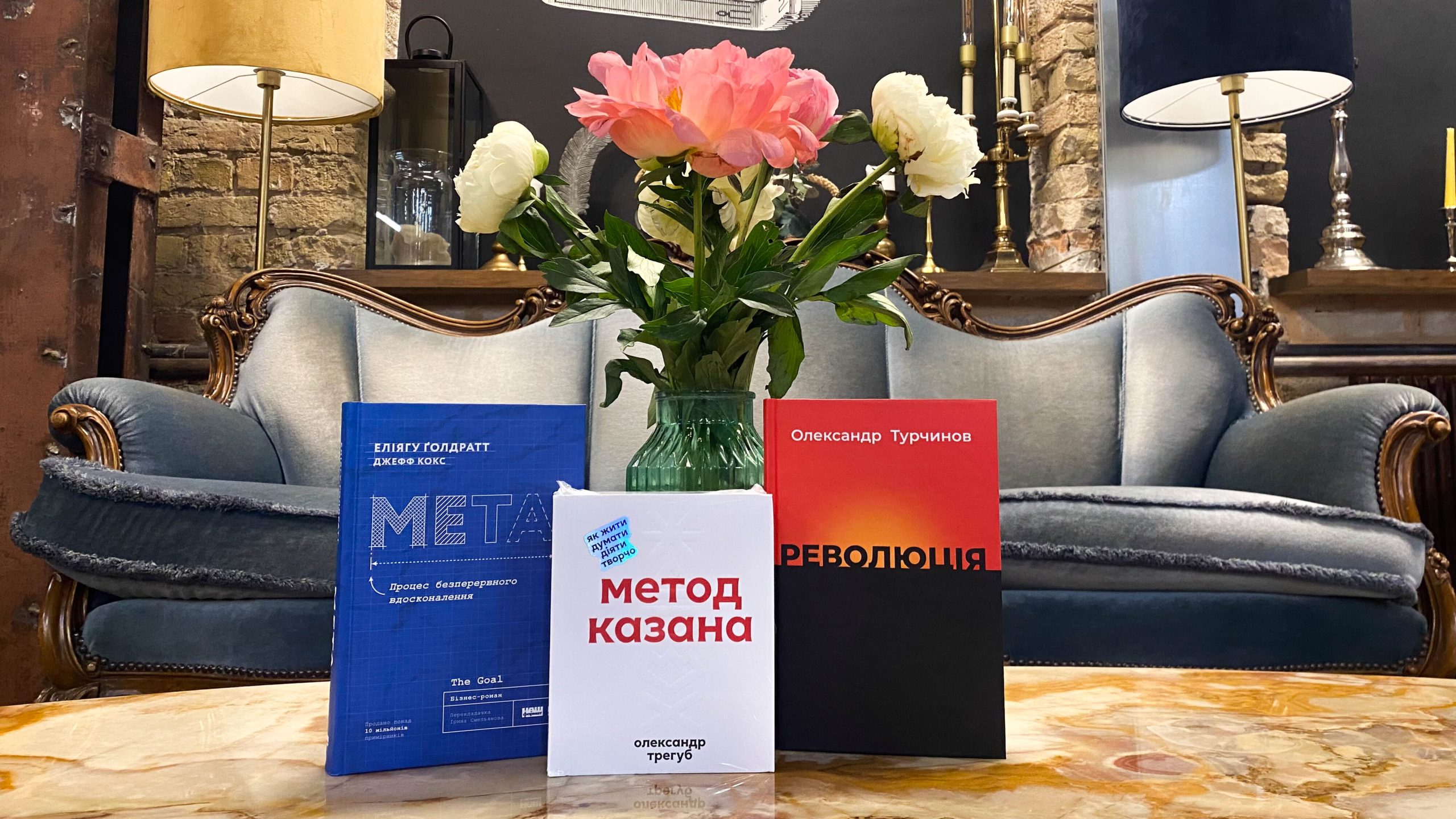
What the Owners and Executives of Ukraine’s Largest Companies Are Reading: Book Recommendations from Business Leaders
In the fast-paced world of business leadership, successful executives often credit their continuous learning and personal development to reading. Ukrainian business leaders are no exception, with many crediting books as essential tools for strategic thinking, innovation, and maintaining a competitive edge in challenging markets. Recently, several prominent figures from Ukraine’s leading companies shared their book recommendations, offering a fascinating glimpse into the reading habits that shape some of the country’s most influential business minds.
Viacheslav Konstantinovskyi, a key figure in the Ukrainian restaurant and retail industry, has built an impressive business empire that includes well-known brands familiar to millions of Ukrainians. His reading preferences reflect a deep interest in leadership philosophy and organizational management. Business leaders like Konstantinovskyi often gravitate toward books that combine practical business wisdom with broader philosophical insights, helping them navigate complex decisions while maintaining a clear vision for their companies’ futures. The restaurant industry, in particular, demands constant adaptation to changing consumer preferences and economic conditions, making continuous learning essential.
Kateryna Zagoriy represents the pharmaceutical sector as a leader at Darnitsa, one of Ukraine’s largest pharmaceutical manufacturers. Founded in 1930, Darnitsa has grown to become a cornerstone of Ukraine’s healthcare industry, producing essential medications for millions of patients. Zagoriy’s reading choices often reflect the unique challenges of the pharmaceutical industry, where scientific innovation must be balanced with regulatory compliance, ethical considerations, and business sustainability. Leaders in this sector frequently explore literature on innovation management, corporate social responsibility, and the intersection of science and commerce.
The pharmaceutical industry has faced unprecedented challenges in recent years, from global supply chain disruptions to the accelerated pace of medical research. Executives like Zagoriy must stay informed about global trends while maintaining focus on local market needs. Reading provides a crucial avenue for understanding international best practices and adapting them to Ukrainian realities. Books on strategic planning, crisis management, and organizational resilience have become particularly relevant for leaders navigating uncertain times.
Vasyl Danyliak brings perspective from the technology and retail sectors, representing companies that have transformed how Ukrainians shop and access services. The Allo retail chain, for instance, has become synonymous with consumer electronics in Ukraine, while OKKO has established itself as a leading fuel retail network with an expanding ecosystem of services. Leaders in these sectors must constantly balance operational excellence with digital transformation initiatives, making their reading habits particularly diverse. From books on customer experience to those exploring the future of retail technology, executives in these industries consume a wide range of business literature.
The Mafia restaurant chain represents another fascinating case study in Ukrainian business success. What began as a single establishment has grown into a nationally recognized brand, demonstrating the potential for local entrepreneurs to build scalable hospitality businesses. The restaurant industry requires a unique combination of creative vision and operational discipline, and leaders in this space often seek books that address both artistic and business dimensions of their work. Literature on brand building, customer psychology, and scaling service businesses features prominently in their reading lists.
What emerges from examining the reading habits of these Ukrainian business leaders is a pattern of intellectual curiosity that transcends their specific industries. While each executive faces unique challenges in their respective sectors, common themes appear in their book recommendations: leadership development, strategic thinking, innovation management, and personal growth. Many cite classic business texts alongside newer publications, suggesting a appreciation for timeless wisdom combined with contemporary insights. This balanced approach to learning reflects the complex realities of doing business in Ukraine, where traditional industries must adapt to digital transformation while maintaining core competencies.
The tradition of business leaders sharing their reading recommendations has become increasingly popular in Ukraine, mirroring a global trend where successful executives openly discuss the books that have shaped their thinking. This openness serves multiple purposes: it inspires aspiring entrepreneurs, creates communities of learning, and demonstrates that even the most accomplished leaders remain committed to personal development. For young professionals looking to advance their careers, these recommendations offer valuable guidance on where to focus their own reading efforts. As Ukraine’s business landscape continues to evolve, the wisdom found in books remains a constant source of competitive advantage for those willing to invest the time in continuous learning.