
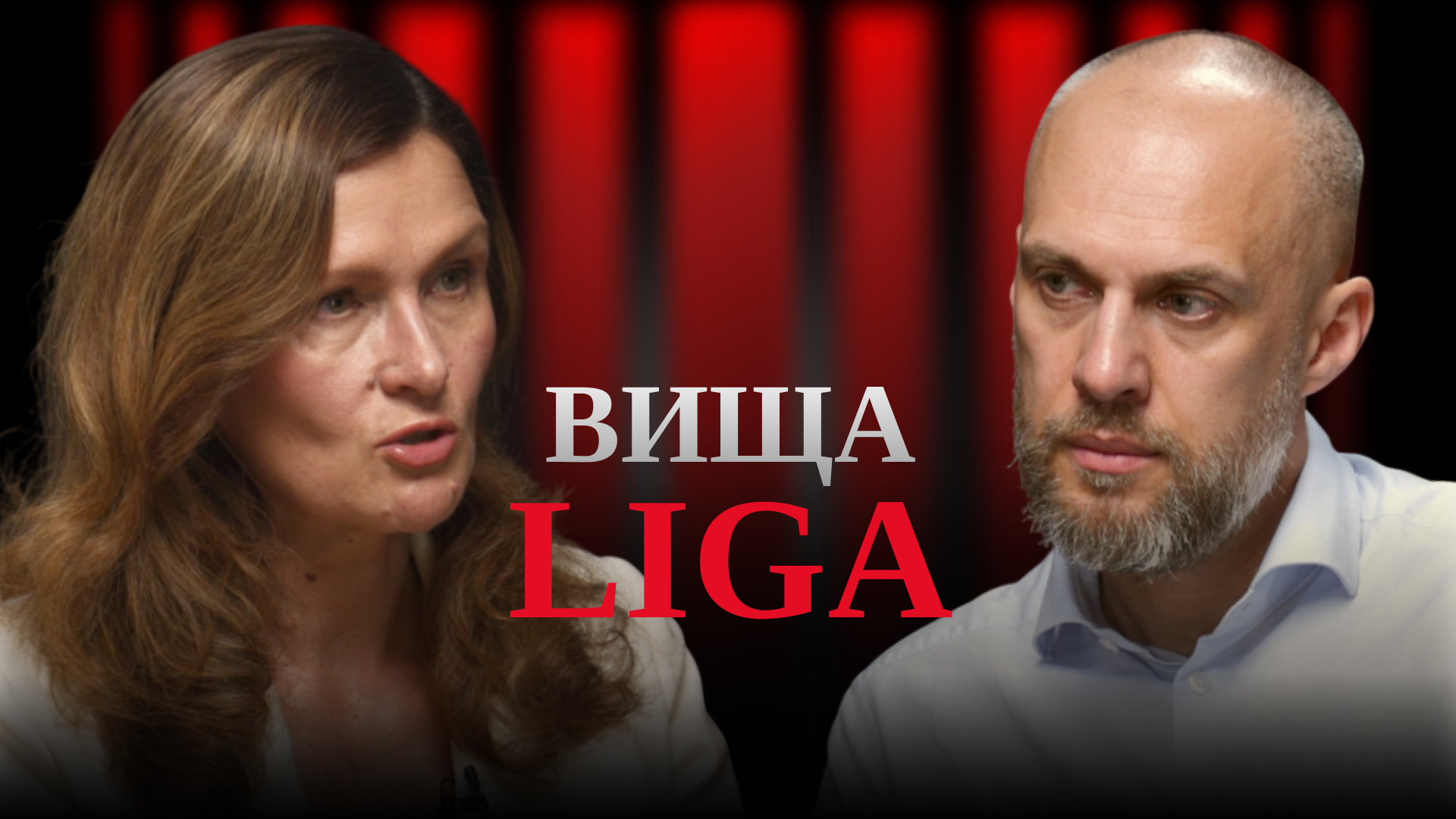
What’s Preventing Raiffeisen from Quickly Exiting Russia: Natalia Gurina Explains the Complexities
The ongoing geopolitical tensions following Russia’s invasion of Ukraine have placed unprecedented pressure on Western financial institutions operating in Russia. Among the most scrutinized is Raiffeisen Bank International (RBI), the Austrian banking giant that has become the largest Western lender still maintaining significant operations in the country. Natalia Gurina, the chairwoman of the board at Raiffeisen Bank Russia, has been at the center of explaining the institution’s complex position as it navigates wartime operations while facing mounting pressure from European regulators and the international community to reduce its Russian footprint.
Raiffeisen Bank International has found itself in an extraordinarily difficult position since February 2022. While many Western companies rushed to exit the Russian market in the wake of sanctions and public outcry, RBI has remained, citing obligations to thousands of employees and millions of customers. The bank’s Russian subsidiary has historically been one of its most profitable divisions, contributing significantly to the group’s overall earnings. This financial dependency has made a swift exit not only operationally challenging but also potentially devastating to shareholder value. The European Central Bank has repeatedly urged RBI to accelerate its withdrawal, warning of reputational and compliance risks associated with continued operations in a sanctioned environment.
Gurina has outlined several key obstacles preventing a rapid departure from the Russian market. First and foremost is the regulatory environment itself. Russian authorities have implemented strict capital controls and approval processes for foreign companies seeking to divest their assets. Any potential sale of the Russian subsidiary requires government approval, and the Kremlin has shown little enthusiasm for facilitating Western exits that could destabilize the domestic banking sector. Additionally, finding a suitable buyer who is not themselves subject to international sanctions presents a significant challenge. The pool of potential acquirers is extremely limited, and any transaction must be structured to comply with both Russian law and Western sanctions regimes.
The human element also weighs heavily on the bank’s decision-making process. Raiffeisen Bank Russia employs approximately 9,000 people across the country, and Gurina has emphasized the institution’s responsibility toward its workforce. An abrupt exit could leave thousands of employees without jobs and potentially without access to proper severance arrangements. Furthermore, the bank serves millions of retail and corporate customers who rely on its services for everyday banking needs, international transfers, and trade finance. Abandoning these relationships overnight would create significant hardship for individuals and businesses who have done nothing wrong and simply need access to financial services.
The historical context of Western banking in Russia adds another layer of complexity to the situation. RBI entered the Russian market in 1996, building its presence over nearly three decades through organic growth and strategic acquisitions. The bank developed deep roots in the local economy, becoming one of the most trusted foreign financial institutions among Russian consumers and businesses. This long-term investment cannot simply be unwound in months, particularly when asset valuations have plummeted and willing buyers are scarce. Industry analysts estimate that any forced sale would likely result in the bank receiving a fraction of the subsidiary’s pre-war value, representing a massive write-down for shareholders.
Gurina has also spoken about the principles that guide leadership during crisis situations, drawing from her extensive career in banking. She emphasizes transparency with stakeholders, maintaining operational stability despite external pressures, and making decisions based on comprehensive risk assessment rather than emotional reactions. These principles, she argues, have helped the bank continue functioning effectively even as it operates in an increasingly hostile environment. The management team must balance competing demands from regulators, shareholders, employees, and customers while navigating a constantly shifting regulatory landscape that affects cross-border transactions and compliance requirements.
Looking ahead, the path forward for Raiffeisen’s Russian operations remains uncertain. The bank has committed to reducing its exposure and has taken steps to wind down certain business lines, but a complete exit appears to be a multi-year process rather than an immediate possibility. International observers continue to monitor the situation closely, as RBI’s handling of its Russian exit could set precedents for how Western companies manage similar withdrawals from sanctioned jurisdictions in the future. The case illustrates the profound challenges that arise when geopolitical realities collide with decades of economic integration and the legitimate interests of employees, customers, and shareholders caught in the middle of international conflict.