
Russia Showing Signs of ‘Bankrupt State’ Despite Putin’s Optimistic Rhetoric, Ukrainian Official Claims
The growing disconnect between the Kremlin’s optimistic economic messaging and Russia’s actual financial indicators has become increasingly apparent, according to Oleksii Vlasiuk, Secretary of Ukraine’s National Security and Defense Council. Speaking about the current state of the Russian economy, Vlasiuk suggested that Russia is acquiring characteristics of a ‘bankrupt state,’ despite President Vladimir Putin’s continued assertions about economic stability and growth.
The assessment comes at a critical juncture in the ongoing conflict, as Western sanctions continue to exert pressure on Russia’s financial system. Since the full-scale invasion of Ukraine began in February 2022, the United States, European Union, and their allies have imposed unprecedented economic restrictions on Moscow, targeting everything from energy exports to the banking sector and individual oligarchs. These measures have created significant challenges for Russia’s ability to conduct international trade and access global financial markets.
Russia’s economic challenges have manifested in several key areas that contradict the narrative of resilience promoted by Russian officials. The country’s budget deficit has expanded significantly as military spending has surged to support the ongoing war effort. According to various economic analyses, Russia allocated approximately 30% of its federal budget to defense in 2024, an extraordinary figure that diverts resources from social programs, infrastructure, and economic development. This militarization of the economy, while temporarily boosting certain sectors, creates long-term structural problems that are difficult to reverse.
The Russian ruble has experienced considerable volatility since the war began, despite initial stabilization efforts by the Central Bank of Russia. Interest rates have been raised to historically high levels, with the key rate reaching 21% in late 2024, making borrowing extremely expensive for businesses and consumers alike. Such elevated rates typically indicate severe inflationary pressures and attempts to prevent capital flight – both symptoms of economic distress rather than health. Ordinary Russians have felt these effects through rising prices for consumer goods and reduced purchasing power.
Historical precedent suggests that economies under severe sanctions pressure often experience delayed effects that compound over time. Iran, for example, saw its economy contract significantly in the years following the reimposition of sanctions, with inflation reaching triple digits and the national currency losing much of its value. While Russia’s economy is larger and more diversified than Iran’s, similar patterns of decline could emerge as the country becomes increasingly isolated from global supply chains and technological innovation. The departure of hundreds of Western companies from Russia has already created gaps in consumer goods availability and industrial capacity.
Energy exports, traditionally Russia’s economic lifeline, have faced mounting challenges as European countries have dramatically reduced their dependence on Russian oil and gas. The European Union, once the primary destination for Russian energy products, has implemented embargoes and sought alternative suppliers from Norway, the United States, and Middle Eastern countries. While Russia has redirected some exports to China and India, these sales often occur at discounted prices, reducing overall revenue. The long-term implications of losing premium European markets could fundamentally reshape Russia’s economic prospects for decades to come.
The brain drain effect has also taken a substantial toll on Russia’s economic potential. Estimates suggest that hundreds of thousands of educated Russians, including IT professionals, entrepreneurs, and skilled workers, have left the country since 2022, seeking opportunities in Georgia, Armenia, Kazakhstan, and Western nations. This exodus of human capital represents a loss of innovation and productivity that cannot be easily replaced. Combined with demographic challenges that predate the current conflict, including an aging population and low birth rates, Russia faces significant headwinds in maintaining economic competitiveness.
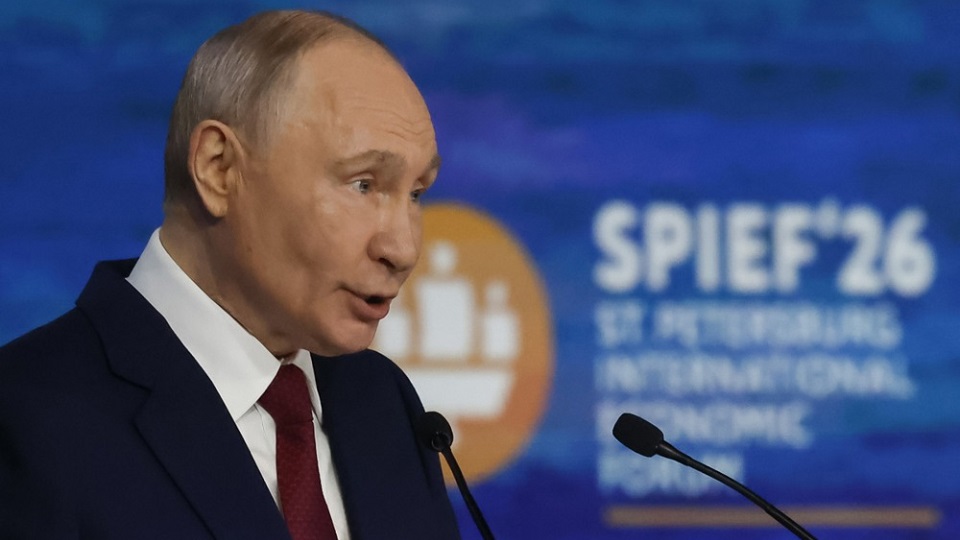
While the Kremlin continues to present favorable statistics and Putin maintains that Russia’s economy is performing better than expected, independent economists and international observers paint a more sobering picture. The true extent of economic deterioration may not become fully apparent until after the conflict concludes, when wartime spending ceases and the accumulated costs become impossible to conceal. For now, the gap between official Russian rhetoric and observable economic indicators continues to widen, lending credibility to assessments like Vlasiuk’s that characterize Russia as exhibiting the hallmarks of a state in serious financial distress.