
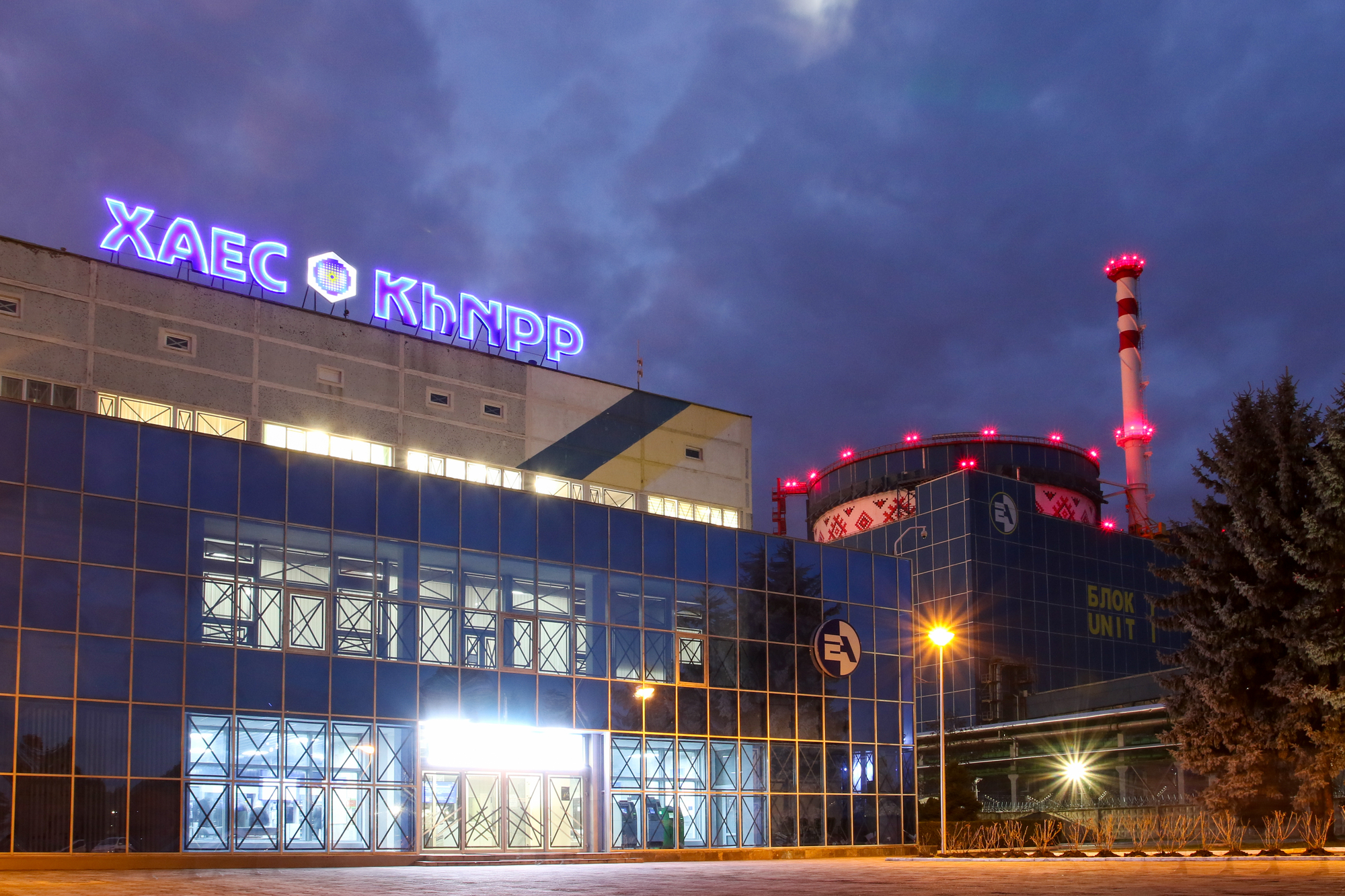
$3.8 Billion for Nuclear Power: Who Will Finance the Completion of Khmelnytskyi NPP and Will Ukraine Actually Get More Electricity?
The Ukrainian government is placing significant hopes on nuclear energy expansion as a solution to the country’s severe electricity deficit. At the center of this ambitious plan is the completion of two unfinished reactor units at the Khmelnytskyi Nuclear Power Plant (KhNPP), a project that carries an estimated price tag of $3.8 billion. However, serious questions remain about who will finance this massive undertaking and whether it can realistically address Ukraine’s immediate energy needs given the lengthy construction timeline involved.
The Khmelnytskyi NPP, located in western Ukraine, currently operates two functioning reactor units that have been generating electricity since the 1980s. Construction on Units 3 and 4 began during the Soviet era but was suspended following the Chernobyl disaster in 1986 and the subsequent collapse of the Soviet Union. For decades, these partially completed structures have stood as monuments to unfinished ambitions, with construction progress frozen at approximately 75% for Unit 3 and around 28% for Unit 4. The Cabinet of Ministers now believes that completing these units could add crucial generating capacity to Ukraine’s battered energy infrastructure.
Ukraine’s energy sector has been devastated by systematic Russian attacks since the full-scale invasion began in February 2022. Thermal power plants, hydroelectric facilities, and transmission infrastructure have suffered catastrophic damage, leaving millions of Ukrainians facing regular blackouts, especially during peak demand periods. The country has lost approximately half of its pre-war generating capacity, creating an unprecedented energy crisis. Against this backdrop, the government’s interest in nuclear expansion becomes understandable – nuclear plants offer baseload power generation that is difficult to replace with other sources quickly.
The financial challenge of the KhNPP completion project cannot be overstated. The estimated $3.8 billion investment represents a massive sum for a country simultaneously fighting a war and managing enormous reconstruction needs. Ukraine is actively seeking international partners and financing mechanisms to make this project viable. Potential funding sources include international financial institutions, Western government-backed export credit agencies, and private investors interested in nuclear energy development. The United States, through its support for nuclear energy exports, and European partners committed to Ukraine’s energy independence have been identified as potential contributors to the financing package.
From a technical standpoint, the project presents both opportunities and challenges. The original Soviet-era design for Units 3 and 4 was based on the VVER-1000 reactor technology, but Ukraine has been exploring partnerships with Western nuclear technology providers, including Westinghouse Electric Company, to potentially utilize different reactor designs or hybrid approaches. Westinghouse has already been supplying nuclear fuel to Ukrainian reactors as part of the country’s effort to reduce dependence on Russian nuclear supplies. Integrating Western technology into partially completed Soviet-era structures would require careful engineering assessment and could affect both costs and timelines.
The timeline for completing new nuclear reactor units is perhaps the most critical consideration for addressing Ukraine’s immediate energy needs. Even under optimal conditions, completing a nuclear power plant unit takes years – typically 7 to 10 years from project initiation to commercial operation for new builds, and potentially 4 to 6 years for completing partially built structures. This means that even if construction resumed immediately with full financing secured, the new units would not contribute electricity to the grid until the late 2020s or early 2030s. Critics argue that this timeline makes nuclear expansion irrelevant for solving the current energy crisis, which requires solutions measured in months rather than years.
Supporters of the nuclear completion project counter that long-term energy planning must continue despite immediate challenges. They argue that Ukraine’s post-war reconstruction will require substantially more electricity than the country consumed before the invasion, and that nuclear power offers clean, reliable baseload generation essential for economic development. Furthermore, establishing Ukraine’s capacity to complete nuclear projects could position the country as a regional energy hub and strengthen energy independence from Russian influence. The European Union’s inclusion of nuclear energy in its sustainable finance taxonomy has also increased interest in nuclear investments across the continent.
As the government weighs its options, the KhNPP completion project represents a broader strategic choice about Ukraine’s energy future. The decision involves balancing immediate crisis management against long-term infrastructure development, weighing domestic capabilities against international partnerships, and considering how energy investments fit within overall reconstruction priorities. Whether the $3.8 billion investment ultimately moves forward will depend on securing committed financing, establishing clear technical parameters, and building political consensus both domestically and among international partners willing to support Ukraine’s nuclear ambitions.