
When Missiles Strike New Buildings: Who Bears the Cost of Restoring Damaged Residential Complexes
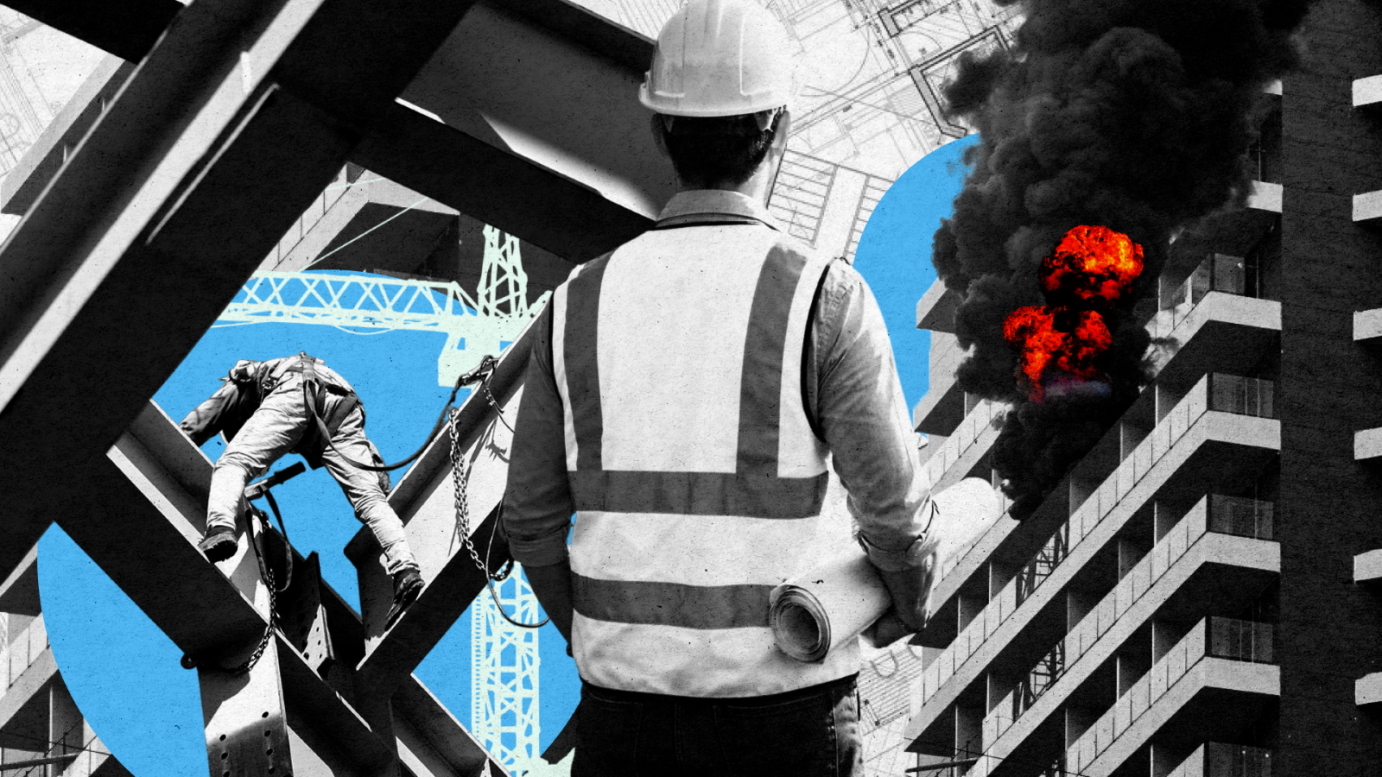
In the ongoing conflict in Ukraine, a grim new reality has emerged for real estate developers: rocket strikes on residential complexes they’ve built. A single serious hit can cost a construction company more than $1 million in restoration work, raising complex questions about responsibility, liability, and the future of urban development in war zones. Despite having legally transferred ownership to apartment buyers long ago, many developers are choosing to shoulder the burden of repairs themselves.
The situation presents an unprecedented challenge in modern construction. Under normal circumstances, once a developer completes a building and transfers ownership to individual apartment owners, their legal obligations essentially end. Property damage would typically fall under insurance claims or become the responsibility of homeowners’ associations. However, the scale and nature of war damage has created a gray area that existing legal frameworks were never designed to address.
Several major Ukrainian developers have made the controversial decision to repair buildings they no longer technically own. Industry analysts suggest multiple motivations behind this seemingly altruistic approach. Brand reputation plays a significant role—developers who abandon their projects in times of crisis risk permanent damage to their market position. For companies planning to continue operating in Ukraine’s post-war real estate market, demonstrating commitment to their customers now could translate into trust and sales in the future.
The financial implications are staggering. Restoration costs vary dramatically depending on the extent of damage. A glancing blow might shatter windows and damage facades, requiring repairs in the range of $100,000 to $300,000. Direct hits that compromise structural integrity can easily exceed $1 million, and in extreme cases, buildings may be deemed irreparable, representing total losses of invested capital. Some developers have reported spending their entire annual profit margins on restoration efforts for multiple damaged properties.
The Ukrainian government has implemented several programs to assist with war damage restoration, but the bureaucratic processes often move slower than developers can afford to wait. State compensation programs require extensive documentation, damage assessments, and approval processes that can take months or even years. Meanwhile, residents displaced by attacks need housing immediately. This timing gap has pushed private companies to act first and seek reimbursement later—if it comes at all.
Insurance has proven largely inadequate for this unprecedented situation. Most standard construction and property insurance policies explicitly exclude war damage, and specialized war risk insurance was either unavailable or prohibitively expensive before the conflict began. Some international insurers have since developed new products specifically for the Ukrainian market, but coverage remains limited and premiums reflect the extreme risk environment. Many developers find themselves essentially self-insuring against military attacks.
Looking at historical precedents, post-World War II reconstruction in Europe offers some parallels. The Marshall Plan provided substantial international funding for rebuilding, but much of the actual work was carried out by private construction firms operating under government contracts. In more recent conflicts, such as the reconstruction of Beirut after the Lebanese Civil War, developers played crucial roles in urban renewal, often with significant government incentives and international investment. Ukraine’s eventual reconstruction will likely require a similar combination of public funding, private initiative, and international support.
The long-term implications for Ukraine’s construction industry remain uncertain. Some developers have announced plans to incorporate more resilient design features into future projects, including reinforced shelters and blast-resistant materials. Others are reconsidering the geographic distribution of their portfolios, weighing the risks of building in areas more exposed to military threats. What’s clear is that the relationship between developers and the communities they build for has been fundamentally transformed by the experience of shared crisis and mutual dependence.