
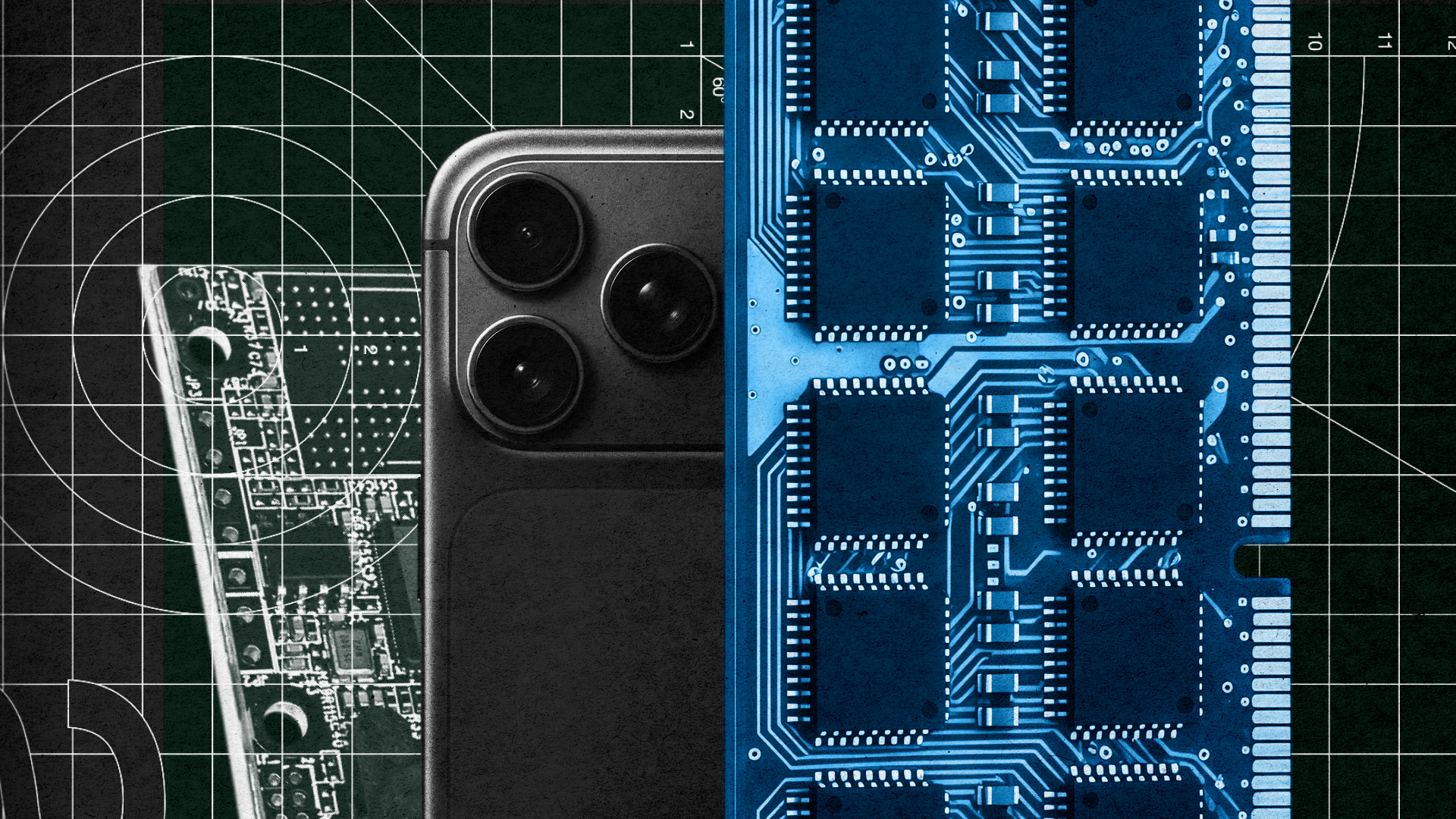
‘There Will Be Shock’: How the AI Boom Is Driving Up Smartphone and Electronics Prices in Ukraine
The global consumer electronics market is experiencing a significant transformation as the artificial intelligence industry’s voracious appetite for components reshapes supply chains and pricing structures worldwide. Ukraine, despite its ongoing challenges, is not immune to these global market forces, with consumers beginning to feel the pinch as smartphones, laptops, and other electronic devices become increasingly expensive. Industry experts warn that the worst may be yet to come, as competition for critical components intensifies between AI data centers and traditional consumer electronics manufacturers.
The root cause of this price surge lies in the unprecedented demand for semiconductors, memory chips, and other electronic components from companies developing AI infrastructure. Tech giants like NVIDIA, Microsoft, Google, and Amazon are investing billions of dollars in building massive data centers to power their AI services, from ChatGPT to cloud computing platforms. These facilities require enormous quantities of high-performance chips, graphics processing units, and memory modules – the same components that go into smartphones, laptops, and tablets. As AI companies outbid consumer electronics manufacturers for limited production capacity, the ripple effects are being felt across global markets.
Ukrainian electronics retailers and distributors are already reporting noticeable price increases across multiple product categories. Smartphones, which rely heavily on advanced processors and memory chips, have seen price hikes of 10-15% over the past year alone. Laptops and personal computers, particularly those with dedicated graphics cards, have experienced even steeper increases. The situation is compounded by Ukraine’s unique circumstances – the ongoing conflict has disrupted traditional supply routes, increased logistics costs, and created currency fluctuations that amplify global price trends. Importers note that products which once arrived through established European channels now often require more complex and expensive routing.
The semiconductor industry’s structural limitations make a quick resolution unlikely. Building new chip fabrication facilities – known as fabs – requires investments of $20 billion or more and takes three to five years to bring online. While major chipmakers like TSMC, Samsung, and Intel have announced ambitious expansion plans, much of this new capacity is specifically designed for AI applications rather than consumer electronics. The Taiwan Semiconductor Manufacturing Company, which produces chips for Apple, AMD, and NVIDIA, has prioritized AI chip production due to higher profit margins, leaving smartphone and laptop manufacturers competing for remaining capacity at premium prices.
Historical context provides important perspective on this situation. The global chip shortage that began during the COVID-19 pandemic in 2020-2021 offered a preview of how supply constraints affect consumer prices. During that period, graphics cards sold for two to three times their recommended retail prices, and game consoles remained unavailable for months. While that crisis eventually eased as pandemic-related demand normalized, the current AI-driven shortage represents a more fundamental shift in industry priorities. Unlike temporary pandemic disruptions, the AI boom shows no signs of slowing – if anything, demand continues to accelerate as more companies integrate artificial intelligence into their products and services.
Ukrainian consumers and businesses are adapting to this new reality in various ways. Some are extending the lifespan of existing devices, opting for repairs rather than replacements. Others are turning to refurbished electronics markets, which have grown significantly over the past two years. Tech-savvy buyers are timing their purchases around promotional periods and seeking out older model devices that still meet their needs at lower prices. Small businesses, which often operate on thin margins, report delaying technology upgrades that would normally occur on regular cycles. Educational institutions and government agencies face particular challenges as they struggle to maintain and modernize their IT infrastructure within constrained budgets.
Looking ahead, industry analysts predict that prices will continue rising through at least 2025 and potentially into 2026. Some forecasts suggest cumulative increases of 20-30% for premium electronics categories. However, there are potential mitigating factors. Competition among manufacturers could drive efficiency improvements, and some companies are developing AI-specific chips that could eventually reduce pressure on general-purpose components. Additionally, Chinese manufacturers are aggressively expanding their production capabilities, which could provide alternative supply sources and increase competition. For Ukrainian consumers, the advice from experts remains consistent: those planning significant electronics purchases should consider acting sooner rather than later, as the trajectory of prices appears firmly upward for the foreseeable future.