
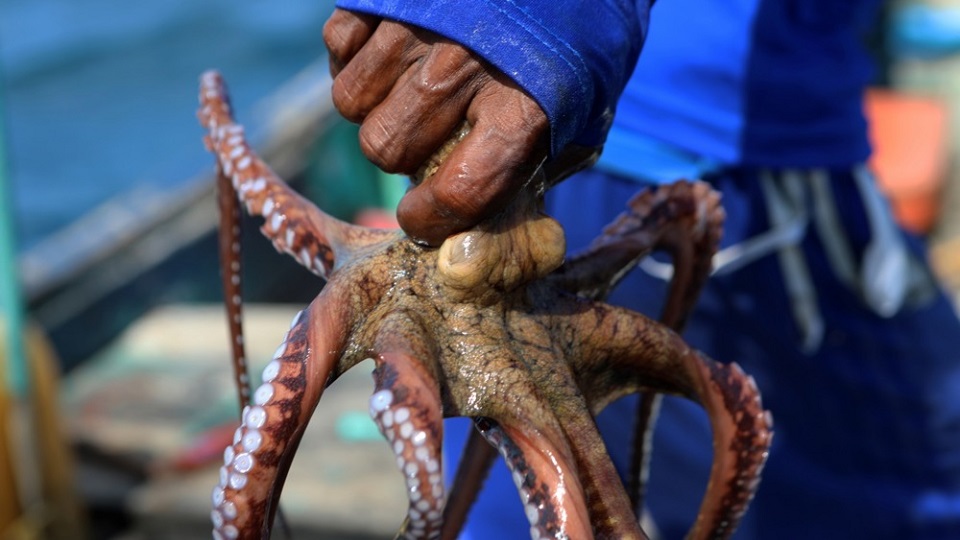
Spanish Seafood Giant Abandons Plans for World’s First Commercial Octopus Farm
Nueva Pescanova, one of Spain’s largest seafood companies, has officially abandoned its ambitious and controversial plans to establish the world’s first commercial octopus farming operation. The decision comes after years of regulatory delays and mounting pressure from animal welfare organizations, environmental groups, and scientists who questioned the ethical implications of farming these highly intelligent creatures on an industrial scale.
The proposed facility was intended to be built in Las Palmas de Gran Canaria in the Canary Islands, with plans to produce approximately 3,000 tonnes of octopus annually by 2026. The company had invested significant resources into developing the technology and infrastructure needed for such an unprecedented venture. However, persistent delays in obtaining the necessary environmental permits and licenses ultimately forced the company to shelve the project indefinitely, marking a significant victory for animal rights advocates who had campaigned against the farm since its announcement in 2021.
The controversy surrounding octopus farming stems primarily from the growing scientific consensus about cephalopod intelligence. Octopuses are widely recognized as one of the most intelligent invertebrates on Earth, possessing complex nervous systems with approximately 500 million neurons distributed throughout their bodies, including in their eight arms. Research has demonstrated their remarkable problem-solving abilities, capacity for learning through observation, and even what some scientists describe as individual personalities. They can navigate mazes, open jars, use tools, and recognize individual human faces. These cognitive capabilities have led many researchers and ethicists to argue that farming such sentient creatures would constitute a significant animal welfare concern.
The animal welfare organization Compassion in World Farming led a global coalition against the project, gathering over two million signatures on petitions calling for its cancellation. Scientists from prestigious institutions around the world also voiced their opposition, with researchers from organizations including the London School of Economics publishing reports concluding that octopuses are sentient beings capable of experiencing pain and suffering. The United Kingdom became the first country to formally recognize cephalopods as sentient beings in its Animal Welfare Act of 2022, a decision that added momentum to the campaign against commercial octopus farming.
Beyond animal welfare concerns, critics also raised significant environmental questions about the proposed farm. Octopuses are carnivorous predators that require a diet of fish, crustaceans, and mollusks. Industry analysts estimated that producing one kilogram of farmed octopus would require approximately three kilograms of feed derived from other marine creatures, potentially exacerbating pressure on already depleted fish stocks. This feed conversion ratio compared unfavorably to other aquaculture species and raised questions about the overall sustainability of octopus farming as a protein source.
The global demand for octopus has increased dramatically over recent decades, particularly in markets across Asia, Southern Europe, and increasingly North America. Annual global consumption now exceeds 350,000 tonnes, with prices rising substantially as wild populations have declined in many traditional fishing areas due to overfishing and changing ocean conditions. This growing demand and supply gap had motivated Nueva Pescanova and other companies to explore aquaculture as a potential solution. Mexico, Japan, and Australia have also conducted research into octopus farming, though none have reached commercial-scale production.
Nueva Pescanova had defended its project by arguing that farmed octopus would reduce pressure on wild populations and provide a more sustainable supply chain. The company claimed to have developed proprietary techniques for breeding octopuses in captivity, overcoming the notoriously difficult challenge of keeping the animals alive through their complex life cycle in artificial conditions. However, details about the farming methods, including how the solitary and territorial animals would be housed, remained controversial and contributed to regulatory scrutiny.
The abandonment of the Gran Canaria project represents a pivotal moment in the ongoing debate about the boundaries of aquaculture and the ethical treatment of marine animals. While the demand for octopus continues to grow, this decision suggests that public opinion and regulatory frameworks may be shifting toward greater consideration of animal sentience in farming decisions. Conservation groups have celebrated the outcome while emphasizing the need for stronger international protections for cephalopods and more sustainable management of wild octopus fisheries as alternatives to industrial farming.