
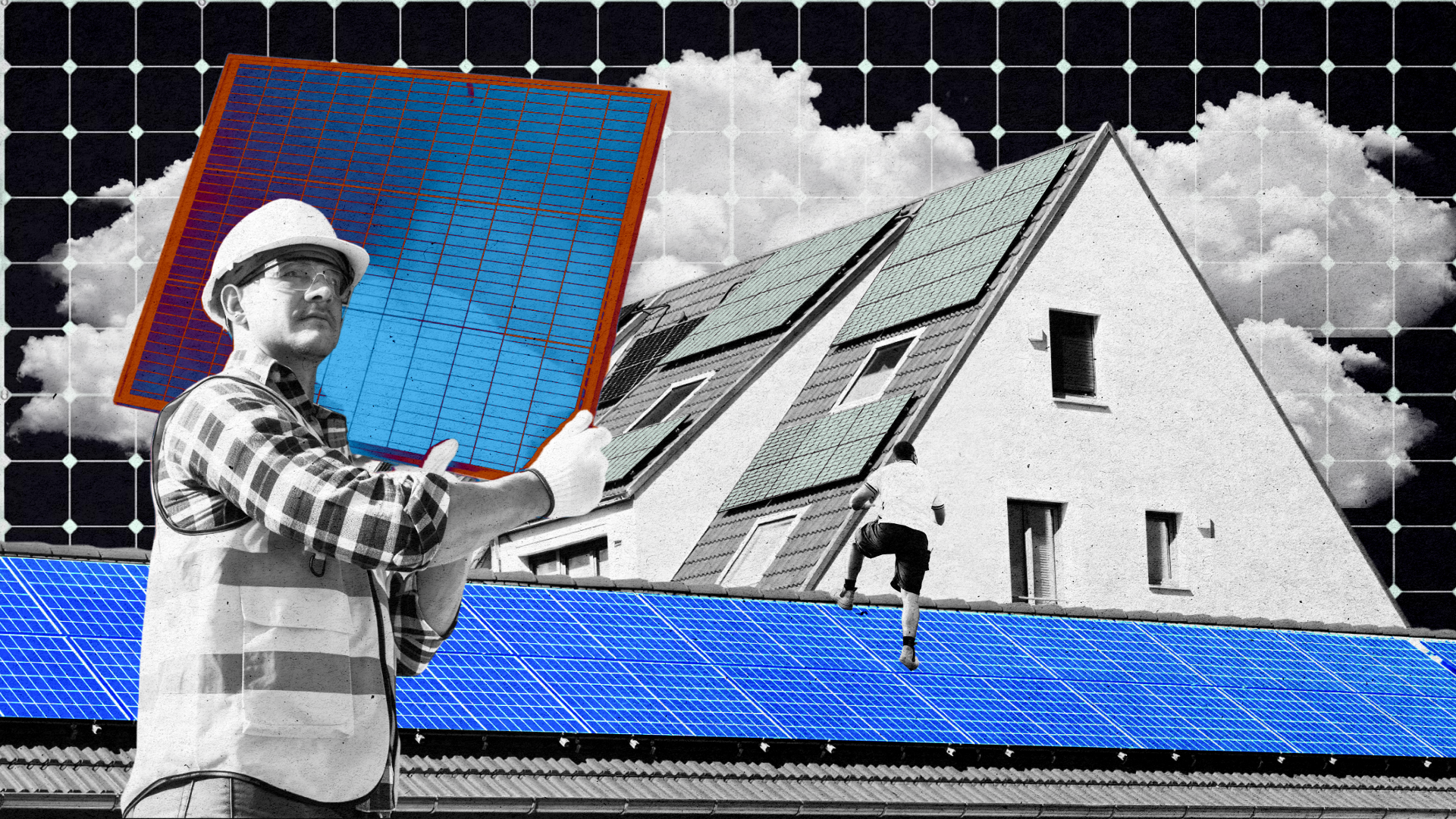
Sun Instead of Generator: How Much Does a Private Solar Power Station Cost and When Will It Pay Off
As energy costs continue to rise and power outages become increasingly common in many regions, both businesses and homeowners are turning their attention to alternative energy sources. Solar power stations (SPS) have emerged as one of the most attractive options, promising not only energy independence but also significant long-term savings. According to recent analyses, businesses can expect to recoup their solar investments within approximately four years, while residential households typically see returns over a ten-year period. But what factors determine these timelines, and is solar energy truly worth the investment?
The growing interest in solar energy isn’t happening in a vacuum. Global energy markets have experienced unprecedented volatility in recent years, with traditional electricity prices surging due to geopolitical tensions, supply chain disruptions, and the gradual phase-out of fossil fuel subsidies. For many businesses, particularly those in manufacturing, agriculture, and retail sectors with high energy consumption, these rising costs have begun to seriously impact profitability. The situation has pushed entrepreneurs to seek alternatives that offer both cost predictability and operational resilience. Solar power, with its declining installation costs and improving efficiency, has become an increasingly viable solution.
The economics of solar installation depend heavily on several key variables. First and foremost is the initial investment cost, which includes solar panels, inverters, mounting systems, wiring, and professional installation services. For a typical household system ranging from 5 to 10 kilowatts, the total investment can range from several thousand to tens of thousands of dollars, depending on equipment quality and local market conditions. Commercial installations, naturally, require substantially larger investments but benefit from economies of scale. The type of panels chosen also matters significantly – monocrystalline panels offer higher efficiency but come at a premium price, while polycrystalline alternatives provide a more budget-friendly option with slightly lower performance.
Beyond the hardware costs, the payback period is fundamentally influenced by local solar irradiance levels – essentially, how much sunlight a particular location receives throughout the year. Regions with more sunny days and longer daylight hours during peak seasons naturally generate more electricity, accelerating the return on investment. Geographic positioning, roof orientation, shading from nearby structures or vegetation, and even local weather patterns all play crucial roles in determining actual energy output. Professional site assessments have become essential for accurate projections, as even minor miscalculations can significantly affect expected returns.
Government policies and incentive programs represent another critical factor in the solar equation. Many countries offer various forms of support for renewable energy adoption, including tax credits, reduced VAT rates on equipment, feed-in tariffs that allow system owners to sell excess electricity back to the grid, and low-interest financing options. These incentives can dramatically reduce the effective cost of installation and shorten payback periods. However, policy landscapes vary considerably between jurisdictions and can change over time, making it essential for potential investors to thoroughly research current programs and their long-term stability before committing to a project.
The four-year payback period for businesses reflects their typically higher energy consumption and better negotiating power for bulk equipment purchases. Commercial operations often consume electricity during peak daylight hours when solar production is highest, maximizing the direct use of generated power. Additionally, businesses can often take advantage of accelerated depreciation rules and larger-scale incentive programs. For households, the longer ten-year timeline reflects smaller system sizes, lower overall energy consumption, and the fact that residential users may be away during peak generation hours, potentially selling power back to the grid at lower rates than their purchase prices.
Looking beyond pure financial returns, solar installations offer additional benefits that don’t always appear in payback calculations. Energy independence provides protection against future price increases and supply disruptions – a consideration that has gained significant weight following recent energy crises. Environmental benefits, while harder to quantify financially, increasingly matter to consumers, employees, and business partners who prioritize sustainability. Property values often increase with solar installations, and businesses may find marketing advantages in demonstrating environmental responsibility. As technology continues to improve and battery storage solutions become more affordable, the case for solar energy strengthens further, promising even better returns for future adopters.