
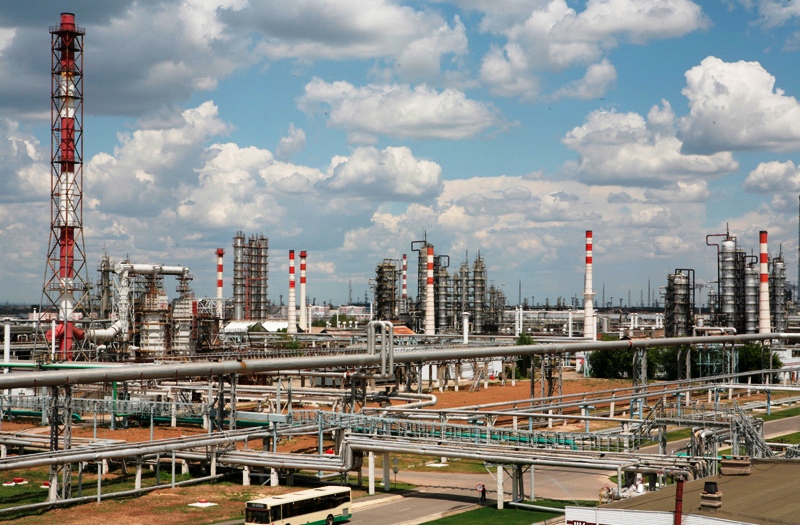
Lukoil’s Volgograd Refinery Halts Operations Following Ukrainian Drone Strike
One of Russia’s most significant oil processing facilities has been forced to cease operations following a Ukrainian drone attack on May 29, 2025. The Lukoil refinery in Volgograd, which serves as the largest producer of fuel and lubricants in Russia’s Southern Federal District, sustained substantial damage during the overnight strike, according to Reuters reporting. The incident marks another significant blow to Russian energy infrastructure as the conflict between the two nations continues into its fourth year.
The Volgograd refinery represents a critical node in Russia’s petroleum processing network, with a refining capacity of approximately 11 million tons of crude oil annually. The facility produces a wide range of petroleum products including gasoline, diesel fuel, aviation kerosene, and various lubricants that supply both civilian and military needs across southern Russia. The plant’s strategic location along the Volga River has historically made it a vital energy hub, dating back to its original construction during the Soviet era when Volgograd was still known as Stalingrad.
Ukrainian military forces have systematically targeted Russian energy infrastructure throughout 2024 and 2025 as part of a broader strategy to undermine Moscow’s war-fighting capability and reduce revenues from oil exports. Energy analysts estimate that repeated attacks on refineries have reduced Russia’s overall processing capacity by approximately 10-15 percent at various points during the conflict. These strikes aim to create fuel shortages for Russian military operations while also impacting the civilian economy and government revenues that fund the war effort.
The Volgograd region holds particular historical significance, as it was the site of one of World War II’s bloodiest battles. Today, the city of over one million residents relies heavily on the petrochemical industry for employment and economic activity. The refinery shutdown will likely have immediate consequences for fuel availability throughout the Southern Federal District, potentially affecting agricultural operations during the critical summer growing season as well as transportation networks across the region.
International energy markets have been closely monitoring the situation, as disruptions to Russian refining capacity can influence global fuel prices despite Western sanctions limiting direct Russian oil product exports to many countries. Industry experts note that Russia has been forced to redirect significant resources toward air defense systems protecting critical infrastructure, yet long-range drone technology has proven increasingly effective at penetrating these defenses. The relatively low cost of drone attacks compared to the economic damage they inflict has made this asymmetric warfare strategy particularly attractive for Ukrainian forces.
Russian authorities have not officially confirmed the extent of damage to the Volgograd facility or provided a timeline for resuming operations. However, past attacks on similar installations have resulted in shutdown periods ranging from several weeks to several months, depending on which specific units were affected. Primary distillation units and catalytic cracking facilities are particularly vulnerable to fire damage and require extensive repairs and safety inspections before operations can resume. The refinery employs thousands of workers whose livelihoods depend on the facility’s continued operation.
The attack on the Volgograd refinery fits into a broader pattern of Ukrainian strikes targeting energy infrastructure deep within Russian territory. Since early 2024, Ukrainian forces have conducted hundreds of drone attacks on refineries, oil depots, and fuel storage facilities across Russia, fundamentally changing the nature of the conflict. Western military analysts suggest these operations demonstrate Ukraine’s growing indigenous drone production capabilities and sophisticated targeting intelligence. As the war continues with no immediate end in sight, such infrastructure attacks are likely to remain a central component of Ukrainian military strategy, putting continued pressure on Russia’s energy sector and war economy.