
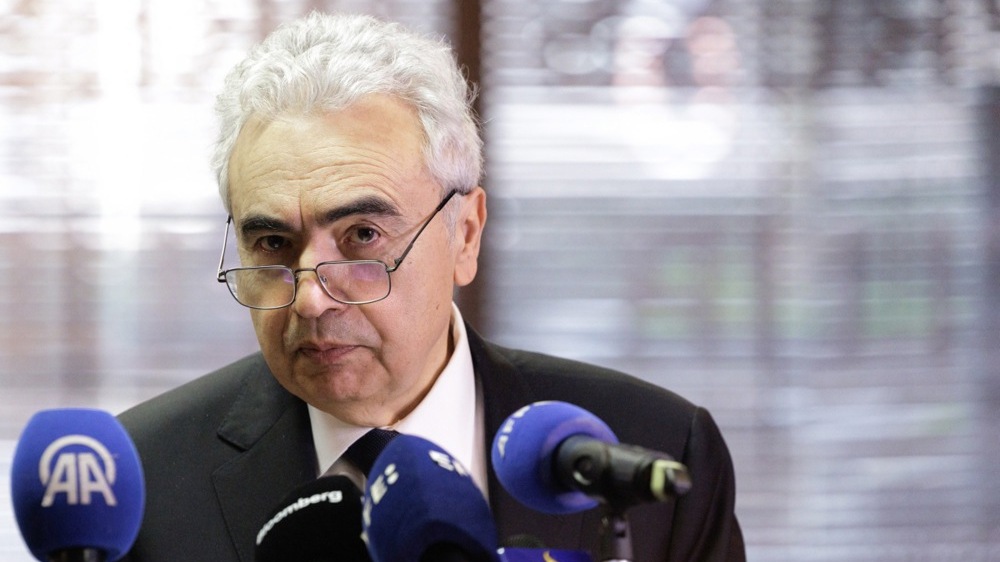
IEA Chief Warns of Global Energy Crisis if Strait of Hormuz Tensions Persist Beyond Weeks
The head of the International Energy Agency (IEA) has issued a stark warning about the potential consequences of ongoing instability in the Strait of Hormuz, one of the world’s most critical oil transit chokepoints. Fatih Birol, the agency’s Executive Director, stated that the international community should be deeply concerned if the situation surrounding oil shipments through this vital waterway does not improve within the coming weeks. The warning comes amid heightened geopolitical tensions in the Persian Gulf region, which has long been a flashpoint for global energy security concerns.
The Strait of Hormuz, located between Iran and Oman, serves as the only sea passage from the Persian Gulf to the open ocean. Approximately 20 to 21 million barrels of oil pass through this narrow waterway daily, representing roughly 20 percent of the world’s total oil consumption. Any disruption to this critical shipping lane could have immediate and severe consequences for global energy markets, potentially triggering price spikes and supply shortages that would reverberate throughout the world economy. The strategic importance of this chokepoint cannot be overstated, as it connects major oil-producing nations including Saudi Arabia, Iraq, Kuwait, and the United Arab Emirates to global markets.
Birol emphasized that the current energy crisis has not affected all regions equally, with Asian economies bearing a disproportionate burden of the impact. Countries across Asia, particularly those heavily dependent on imported oil and natural gas, have faced mounting economic pressures as energy costs have surged. Nations like Japan, South Korea, and India, which import the vast majority of their oil through the Strait of Hormuz, would be especially vulnerable to any prolonged disruption in the region. These countries have limited domestic energy resources and rely heavily on stable international supply chains to power their industries and meet consumer demands.
The historical context of tensions in the Strait of Hormuz adds weight to Birol’s concerns. Over the past several decades, the waterway has been the site of numerous confrontations, including the so-called “Tanker War” during the Iran-Iraq conflict in the 1980s, when both nations targeted oil tankers in the Persian Gulf. More recently, in 2019, a series of attacks on commercial vessels and the seizure of tankers by Iranian forces raised fears of a broader conflict that could disrupt global oil supplies. The region remains a powder keg of competing interests, with major powers including the United States, Iran, and various Gulf states maintaining significant military presences in and around the strait.
Energy analysts have long warned about the vulnerability of global oil supplies to disruptions in key chokepoints like the Strait of Hormuz. Unlike some other critical shipping routes, there are limited alternatives for transporting oil from the Persian Gulf to international markets. While some pipeline infrastructure exists that could bypass the strait, including routes through Saudi Arabia, these alternatives have limited capacity and could not fully compensate for a major disruption in maritime traffic. This geographic reality means that even temporary closures or restrictions in the strait could cause significant market volatility and economic harm.
The IEA, established in 1974 in response to the oil crisis of that era, has played a crucial role in coordinating international responses to energy supply disruptions. The agency maintains strategic petroleum reserves among its member countries and works to promote energy security through market analysis, policy recommendations, and emergency response planning. Birol’s warning reflects the agency’s ongoing concern about the fragility of global energy systems and the need for international cooperation to address potential crises before they escalate. The IEA has repeatedly called for diversification of energy sources and supply routes to reduce dependence on vulnerable chokepoints.
As tensions in the Middle East continue to simmer, the global community faces difficult choices about how to ensure energy security while navigating complex geopolitical relationships. The coming weeks will be crucial in determining whether diplomatic efforts can defuse the current tensions or whether the situation will deteriorate further, potentially triggering the kind of energy crisis that Birol has warned about. For consumers and businesses around the world, particularly in energy-dependent Asian economies, the stakes could not be higher. The stability of the Strait of Hormuz remains one of the most important factors in determining the future trajectory of global energy markets and economic growth.