
Russia Withdrawing 200 Drone Crews from Frontlines to Protect Shadow Fleet, Ukrainian Commander Claims
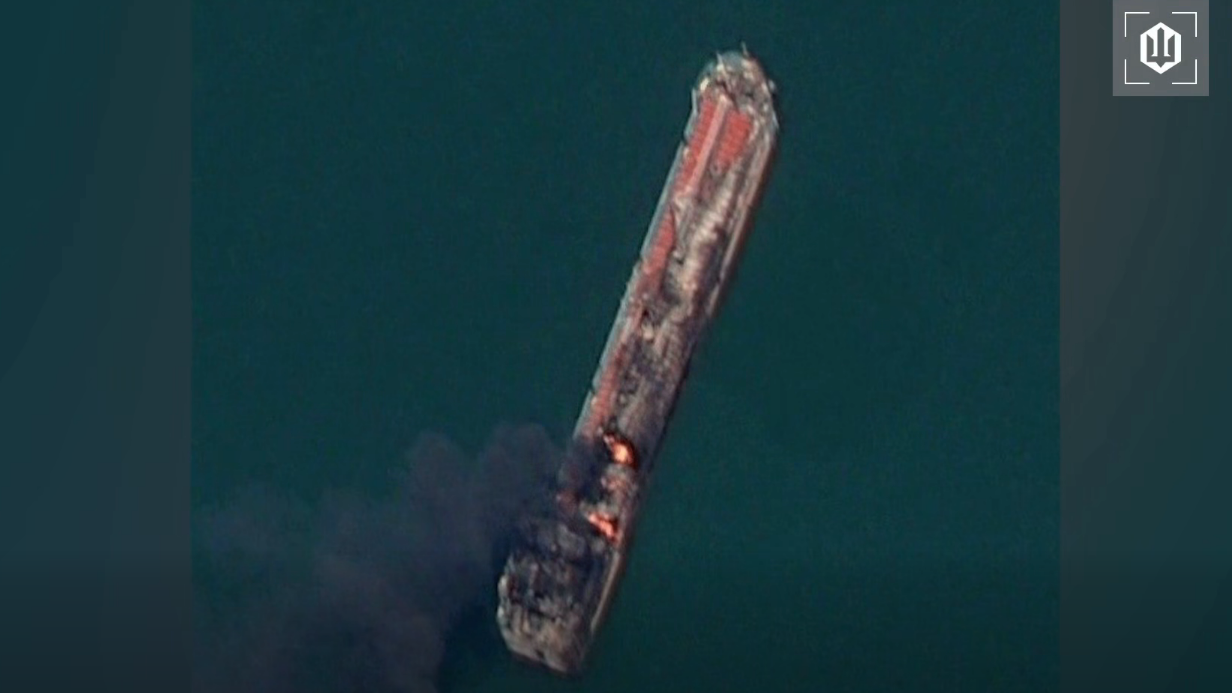
In a significant development that highlights the expanding scope of Ukraine’s asymmetric warfare capabilities, the commander of the Strike Drone Company (SBC), known by his callsign “Magyar,” has announced that Russia is being forced to withdraw approximately 200 drone operator crews from active combat positions along the front lines. According to Magyar, this redeployment is a direct response to Ukraine’s ongoing operation codenamed “MoLoChKa” — a systematic campaign targeting Russia’s so-called shadow fleet of oil tankers that has been evading Western sanctions while transporting Russian crude oil across international waters.
The revelation underscores the strategic impact of Ukraine’s maritime drone operations, which have increasingly targeted Russian naval assets and commercial vessels in the Black Sea and beyond. Magyar stated that the enemy has been compelled to significantly weaken its unmanned aerial systems presence at the line of contact, diverting critical resources to protect economically vital maritime infrastructure. The “Rubikon” crews being withdrawn are reportedly specialized drone operators who have been instrumental in Russian reconnaissance and strike missions against Ukrainian positions throughout the ongoing conflict.
The shadow fleet phenomenon has emerged as one of the most contentious aspects of the international sanctions regime imposed on Russia following its full-scale invasion of Ukraine in February 2022. This informal network consists of aging tankers, often operating under flags of convenience and with obscured ownership structures, that transport Russian oil to buyers willing to circumvent Western price caps and trade restrictions. Intelligence estimates suggest this fleet comprises over 600 vessels, many of which are poorly maintained and pose significant environmental risks due to their age and lack of proper insurance coverage. The revenue generated from these oil sales has been crucial for funding Russia’s military operations, making the fleet an attractive strategic target for Ukrainian forces.
Operation MoLoChKa represents Ukraine’s innovative approach to extending its reach beyond traditional battlefield boundaries. By threatening the infrastructure that sustains Russia’s war economy, Ukrainian forces are applying pressure at a vulnerable point that Moscow cannot easily ignore. The operation reportedly employs a combination of naval drones, intelligence gathering, and precision strikes to disrupt oil transportation routes. This strategy aligns with Ukraine’s broader doctrine of asymmetric warfare, which has previously achieved notable successes including the sinking of the cruiser Moskva and the effective neutralization of Russia’s Black Sea Fleet as an offensive force.
Military analysts have noted the significance of Russia’s apparent resource reallocation. The withdrawal of 200 drone crews from combat operations represents a substantial reduction in reconnaissance and strike capabilities along the approximately 1,200-kilometer front line. Drone warfare has become a defining characteristic of the conflict in Ukraine, with both sides relying heavily on unmanned systems for everything from artillery spotting to direct attacks on personnel and equipment. The Rubikon system, in particular, has been identified as a key component of Russian drone operations, and its operators possess specialized training that cannot be easily replaced with fresh conscripts or mobilized personnel.
The strategic calculus behind Russia’s decision reflects the impossible choices confronting Moscow’s military planners. Protecting the shadow fleet is essential for maintaining the economic lifeline that funds the war effort, but weakening drone coverage on the front lines could provide Ukrainian forces with tactical advantages in ongoing ground operations. This dilemma exemplifies the success of Ukraine’s strategy of forcing Russia to defend multiple domains simultaneously, stretching its already strained military resources across competing priorities. Western military observers have pointed to this development as evidence that Ukraine’s unconventional approaches are yielding measurable results despite the country’s disadvantages in conventional military strength.
The broader implications of this development extend beyond the immediate tactical situation. Ukraine’s ability to threaten Russia’s economic infrastructure demonstrates the evolving nature of modern warfare, where financial and logistical targets can be as strategically important as traditional military objectives. As the conflict enters its fourth year, both sides continue to adapt their strategies, but Ukraine’s willingness to innovate and strike at unconventional targets has proven to be a significant asymmetric advantage. The ongoing pressure on Russia’s shadow fleet not only disrupts oil revenues but also forces difficult decisions about resource allocation that could influence the trajectory of the entire conflict.