
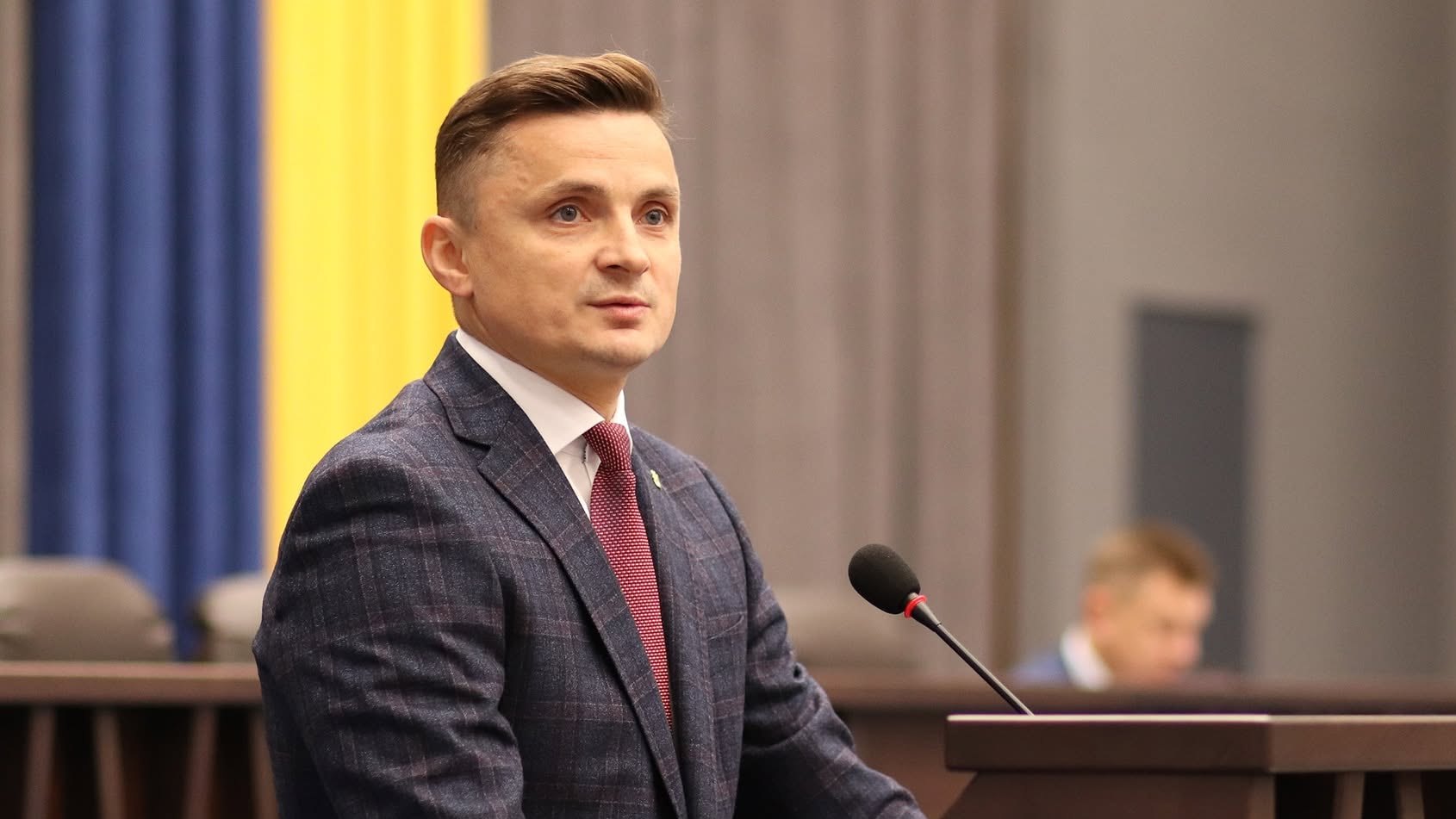
Девять лет с конфискацией: АП ВАКС оставила без изменений наказание для экс-нардепа Головко
{"title":"Nine Years Behind Bars: Appeals Court Upholds Sentence for Former Ukrainian MP Holovko","content":"<p>The Appeals Chamber of Ukraine's High Anti-Corruption Court (HACC) has upheld the conviction of former People's Deputy Holovko, maintaining the nine-year prison sentence with confiscation of assets that was originally handed down by the lower court. The decision marks another significant chapter in Ukraine's ongoing battle against corruption among its political elite, demonstrating the judiciary's commitment to holding former lawmakers accountable for their alleged crimes despite the challenging circumstances facing the nation.</p><p>In its ruling, the appellate court made one notable adjustment to the original verdict, removing from the charges a reference to the illegal storage of certain ammunition. While this modification slightly altered the formal accusation, it did not affect the overall severity of the punishment, leaving the substantial prison term and asset forfeiture intact. The decision underscores the weight of evidence against the former parliamentarian and reinforces the message that corruption among public officials will face serious consequences.</p><p>The High Anti-Corruption Court of Ukraine was established in 2019 as a specialized judicial body designed specifically to handle high-profile corruption cases involving public officials. Its creation came after years of pressure from international partners, including the International Monetary Fund and European Union, who insisted that Ukraine demonstrate genuine commitment to fighting endemic corruption. The HACC operates with judges selected through a rigorous process involving international experts, intended to insulate the court from political interference and ensure impartiality in cases that often involve powerful defendants with significant political connections.</p><p>The case against Holovko represents part of a broader pattern of anti-corruption prosecutions that have accelerated in recent years, particularly since Ukraine's application for European Union membership. The country has faced persistent criticism over corruption levels, which various international indices have historically ranked among the highest in Europe. However, Ukrainian authorities have increasingly demonstrated willingness to pursue cases against former officials, signaling a shift toward greater accountability that many observers see as essential for the country's European integration aspirations.</p><p>Asset confiscation as part of corruption sentences has become an increasingly important tool in Ukraine's anti-corruption arsenal. Beyond the punitive aspect of imprisonment, the seizure of illegally obtained wealth serves multiple purposes: it removes the financial benefits of corrupt behavior, provides potential restitution to the state, and sends a powerful deterrent message to other officials who might be tempted to abuse their positions. International anti-corruption experts have long emphasized that effective prosecution must address both the personal liberty and financial gains of offenders to truly combat systemic corruption.</p><p>The prosecution of former parliamentarians presents unique challenges in any legal system, as these individuals typically enjoy broad immunity protections during their terms in office. In Ukraine, the process of lifting parliamentary immunity has historically been contentious and often unsuccessful, allowing many accused lawmakers to escape prosecution for years. The fact that cases like Holovko's are now proceeding through the courts reflects constitutional and procedural reforms that have gradually strengthened the ability of law enforcement to pursue suspected corruption regardless of the defendant's former status.</p><p>Legal analysts observing the case note that the Appeals Chamber's decision to uphold the sentence while making technical modifications to the charges demonstrates the court's careful attention to procedural correctness. Such adjustments are common in appellate proceedings and show that the court thoroughly reviewed the evidence and legal arguments presented by both sides. The maintenance of the nine-year sentence indicates that the appellate judges found the fundamental corruption charges to be substantiated beyond reasonable doubt, even as they refined certain elements of the formal accusation.</p><p>As Ukraine continues to navigate the complex challenges of wartime governance while pursuing ambitious reform goals, cases like the Holovko prosecution serve as important benchmarks for the country's rule of law development. International observers, potential investors, and diplomatic partners closely watch such proceedings as indicators of Ukraine's commitment to building institutions capable of ensuring accountability at the highest levels. The successful prosecution and appellate confirmation of sentences against former officials contributes to building the institutional credibility that will be essential for Ukraine's post-war recovery and European integration journey.</p>}