
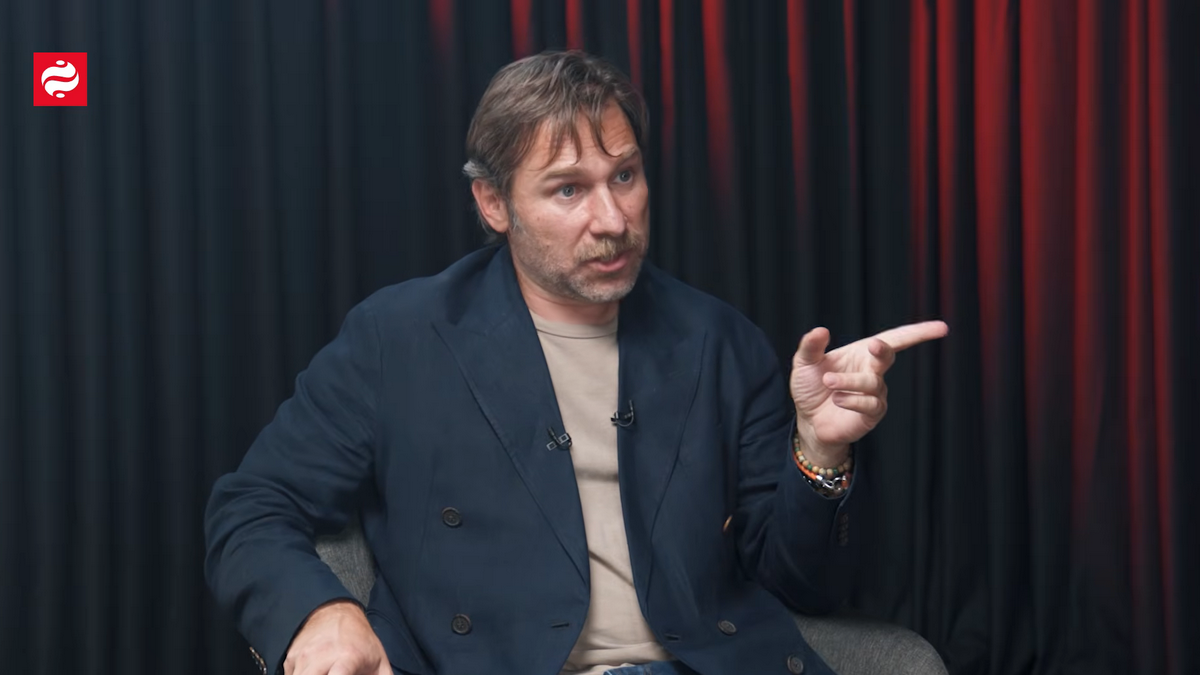
Ukrainian Business Owners Face Steep Valuation Discounts Amid War: Kormotech Founder Explains Why Selling Now Would Be a Mistake
Rostyslav Vovk, the founder and owner of Kormotech, one of Ukraine’s largest pet food manufacturers based in Lviv, has stated that current market conditions make it an extremely unfavorable time for Ukrainian companies to seek buyers. According to the businessman, discount rates being applied to Ukrainian businesses in the fast-moving consumer goods (FMCG) sector have reached such significant levels that any sale would dramatically undervalue these enterprises.
The Lviv-based entrepreneur’s comments reflect a broader challenge facing Ukrainian business owners who find themselves caught between the need for capital and the harsh reality of wartime valuations. Since Russia’s full-scale invasion began in February 2022, foreign investors have largely retreated from Ukrainian markets, and those who remain interested in acquisitions are demanding substantial risk premiums that can slash company valuations by 50% or more compared to pre-war levels.
Kormotech itself represents a significant success story in Ukrainian manufacturing. Founded in 2003, the company has grown to become one of the largest pet food producers in Eastern Europe, with its products sold in more than 40 countries worldwide. The company operates modern production facilities in the Lviv region and has built recognizable brands including Club 4 Paws and Optimeal. Before the war, Kormotech was experiencing rapid growth, with annual revenues reportedly exceeding $100 million and plans for international expansion well underway.
The FMCG sector in Ukraine has shown remarkable resilience throughout the conflict, with companies adapting their supply chains, relocating some operations westward, and finding new routes to market despite infrastructure damage and logistical challenges. However, this operational resilience has not translated into fair market valuations when it comes to potential mergers and acquisitions. International investors, while acknowledging the strength of many Ukrainian businesses, continue to price in substantial war-related risks including the possibility of further escalation, currency volatility, and uncertainty about post-war reconstruction timelines.
Industry analysts note that the current discount environment creates a paradox for Ukrainian business owners. Companies that have successfully navigated wartime challenges and maintained profitability are arguably demonstrating exceptional management capabilities and operational flexibility. Yet these same companies are being valued at fractions of what comparable businesses in stable markets would command. For owners like Vovk who have spent decades building their enterprises, accepting such valuations feels tantamount to giving away their life’s work.
The situation is further complicated by the role that Ukrainian businesses play in the country’s wartime economy. Many manufacturers, including those in the FMCG sector, have become crucial employers and economic anchors in their regions. They contribute significantly to tax revenues that help fund the government during wartime and maintain economic activity that supports civilian life. A wave of foreign acquisitions at discounted prices could potentially transfer significant value out of the Ukrainian economy at precisely the moment when retaining domestic wealth is most critical.
Financial experts suggest that patient Ukrainian business owners may eventually be rewarded for their decision to wait. Historical precedents from other post-conflict economies show that valuations can recover substantially once stability returns. Countries that experienced conflicts or severe crises, from the Balkans to various Asian markets, saw significant rebounds in business valuations during reconstruction periods. Ukraine’s eventual EU accession process, which gained momentum with the country’s candidate status granted in 2022, could further boost long-term valuations as the regulatory environment aligns with European standards and access to EU markets improves.
For now, Vovk and other Ukrainian business leaders appear to be taking a long-term view, choosing to preserve their ownership stakes rather than accept what they consider fire-sale prices. This strategy requires continued operational excellence and the financial resources to weather ongoing uncertainty, but it reflects a bet on Ukraine’s future prosperity. As Vovk’s comments suggest, the fundamentals of many Ukrainian businesses remain strong—it is only the extraordinary circumstances of war that have temporarily depressed their market values. When peace eventually returns, those who held onto their companies may find their patience handsomely rewarded.