
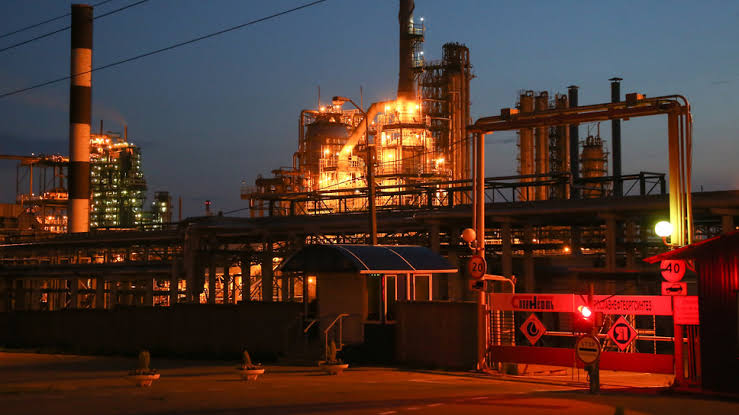
Russian Oil Refining Capacity Drops to Lowest Level Since 2005 Amid Sustained Attacks on Infrastructure
Russia’s oil refining industry has been dealt a significant blow, with processing volumes plummeting to levels not seen in nearly two decades. The sustained campaign targeting the country’s petroleum infrastructure has now affected at least 24 of Russia’s 34 major oil refineries, marking one of the most substantial disruptions to the nation’s energy sector since the Soviet era. This dramatic decline represents a critical vulnerability in Russia’s economic architecture, as the refining sector has traditionally been a cornerstone of both domestic energy security and export revenue generation.
The scale of the damage to Russian refining capacity has exceeded what many analysts initially anticipated when the targeting campaign began. Industry experts estimate that millions of barrels of daily refining capacity have been taken offline, either temporarily or for extended periods requiring substantial repairs. The attacks have employed various methods, resulting in fires, equipment damage, and forced shutdowns across facilities spanning from the western regions near the European border to installations deep in the Russian heartland. The geographic spread of affected facilities suggests a systematic approach aimed at degrading the entire refining network rather than focusing on isolated targets.
The consequences of this refining capacity reduction extend far beyond simple production statistics. Russia’s refined petroleum products, including diesel fuel, gasoline, and aviation fuel, serve both domestic consumption needs and constitute a vital export commodity. With refining capacity constrained, Russia faces the difficult choice of either reducing domestic fuel availability or cutting export volumes, both of which carry significant economic implications. Diesel fuel, in particular, has been a crucial export product for Russia, with European markets historically being major purchasers before sanctions reshaped trade flows following the 2022 invasion of Ukraine.
Historical context reveals just how unprecedented this situation is for Russia’s energy sector. The last time refining volumes were this low, in 2005, Russia was still in the process of modernizing its Soviet-era infrastructure and expanding capacity to meet growing global demand. Over the subsequent two decades, Russia invested billions of dollars in upgrading refineries, improving efficiency, and increasing output to become one of the world’s leading refined product exporters. The current decline effectively erases nearly twenty years of industrial development and capital investment in this critical sector.
Energy market analysts have noted that the disruption to Russian refining has had ripple effects throughout global fuel markets. While Russia has sought alternative buyers for its crude oil exports, often at discounted prices to circumvent Western sanctions, the reduction in refined product output has tightened global diesel and gasoline supplies. This dynamic has contributed to price volatility in international fuel markets, affecting consumers and businesses worldwide. Some analysts suggest that the refining capacity losses could take years to fully restore, even under optimal conditions, given the specialized equipment and expertise required for repairs.
The attacks on Russian refineries represent a strategic shift in how economic pressure can be applied to major energy-producing nations. Unlike sanctions, which can be circumvented through third-party intermediaries and alternative payment systems, physical damage to infrastructure creates immediate and tangible constraints on production capacity. Repair efforts are complicated by international restrictions on technology exports to Russia, limiting access to specialized components and equipment needed to restore damaged facilities. Some refineries have reportedly been forced to source replacement parts through circuitous routes, adding delays and costs to recovery efforts.
Looking ahead, the trajectory of Russia’s refining industry remains uncertain. Industry observers point to several factors that will influence recovery prospects, including the duration and intensity of continued attacks, Russia’s ability to procure necessary repair materials despite sanctions, and the availability of skilled technical personnel to conduct complex restoration work. Some facilities may require complete reconstruction of damaged units, a process that could take years even under normal circumstances. Meanwhile, the Russian government faces mounting pressure to maintain fuel supplies for both civilian needs and military operations, creating competing demands on limited refining resources.
The broader implications for Russia’s energy-dependent economy are substantial. Oil and gas revenues have historically constituted a major portion of the Russian federal budget, and the refining sector adds significant value to raw crude exports. With refining capacity diminished, Russia loses not only the margin between crude oil and refined product prices but also the strategic flexibility that domestic refining capacity provides. As the situation continues to evolve, energy markets and geopolitical observers will be watching closely to assess both the durability of these capacity reductions and their long-term impact on Russia’s economic and strategic position.