
Strategic Move: Why Varus is Acquiring Kolo Supermarket Chain in Major Ukrainian Retail Deal
The Ukrainian retail landscape is witnessing a significant transformation as Dnipro-based supermarket chain Varus announces its acquisition of the Kolo network, marking one of the most substantial mergers and acquisitions deals in the country’s grocery sector in recent years. This strategic purchase is set to dramatically strengthen Varus’s presence in Kyiv, where the company has been seeking to expand its footprint against established competitors. The deal represents a calculated move in Ukraine’s highly competitive retail market, where consolidation has become an increasingly common strategy for growth.
Retail analyst Andrii Shostak has characterized the acquisition as a “strategic step” that will fundamentally alter Varus’s competitive position in the Ukrainian capital. According to Shostak, the purchase of Kolo provides Varus with immediate access to prime retail locations in Kyiv, something that would have taken years to develop organically. The acquisition eliminates the need for the time-consuming and expensive process of scouting locations, negotiating leases, and building brand recognition from scratch in new neighborhoods. Instead, Varus inherits an established customer base and operational infrastructure that can be integrated into its existing systems.
Varus, which was founded in Dnipro and has grown to become one of Ukraine’s prominent regional retailers, has been on an expansion trajectory for several years. The chain is known for its focus on fresh products, competitive pricing, and modern store formats that appeal to urban consumers. However, the company’s presence in Kyiv has remained relatively limited compared to its dominance in eastern and central Ukrainian regions. The Kolo acquisition effectively bridges this gap, providing Varus with a substantial network of stores in Ukraine’s largest and most economically significant market.
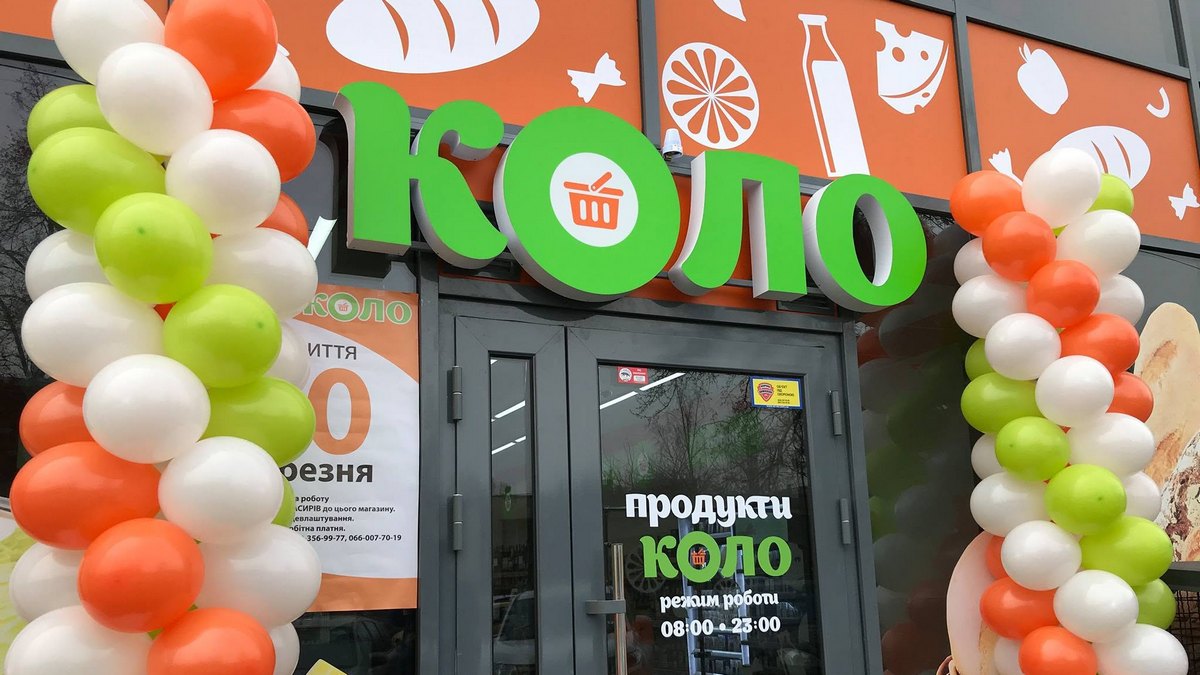
The Kolo supermarket chain, while smaller than some of Ukraine’s retail giants, has carved out a loyal customer following in Kyiv through its neighborhood-focused approach and convenient locations. The chain operates stores primarily in residential areas, positioning itself as a convenient option for daily grocery shopping rather than large-format weekly trips. This positioning aligns well with Varus’s own retail philosophy and should facilitate smoother integration of the two networks. Industry observers note that such compatibility between acquisition targets and buyers is crucial for successful retail mergers.
Ukraine’s retail sector has undergone considerable evolution over the past decade, with international chains, domestic players, and discount formats all competing for market share. The country’s grocery market is estimated to be worth billions of dollars annually, with organized retail continuing to gain ground against traditional markets and small independent stores. Major players including ATB, Silpo, Fozzy Group, and Novus have established strong positions, making entry into prime markets like Kyiv increasingly challenging for competitors. Consolidation through M&A activity has emerged as a viable alternative to organic growth, allowing chains to quickly scale their operations and achieve economies of scale.
The timing of this acquisition is particularly noteworthy given the challenging economic environment Ukraine has faced in recent years. Despite the ongoing conflict and economic pressures, the retail sector has demonstrated remarkable resilience, with consumer demand for groceries remaining steady. Companies with strong balance sheets have viewed this period as an opportunity to acquire competitors or complementary businesses at favorable valuations. Shostak suggests that Varus’s move reflects confidence in Ukraine’s long-term economic recovery and the belief that establishing strong market positions now will yield significant returns as conditions normalize.
The integration process following the acquisition will be closely watched by industry analysts and competitors alike. Successful retail mergers require careful attention to supply chain optimization, staff retention, brand management, and technology systems integration. Varus will need to decide whether to maintain the Kolo brand identity in its existing locations or rebrand stores under the Varus name. Each approach carries distinct advantages and risks, with brand retention potentially preserving customer loyalty while rebranding could strengthen overall corporate identity and marketing efficiency.
Looking ahead, this deal may signal the beginning of a new wave of consolidation in Ukrainian retail. As the market matures and competition intensifies, smaller and mid-sized chains may find themselves increasingly attractive as acquisition targets for larger players seeking growth. For Varus, the Kolo purchase represents not just an expansion of physical locations, but a strategic repositioning that places the company among the leading national retailers with significant presence across multiple Ukrainian regions. The success of this integration could determine whether Varus pursues additional acquisitions in its quest to become a dominant force in Ukrainian grocery retail.