
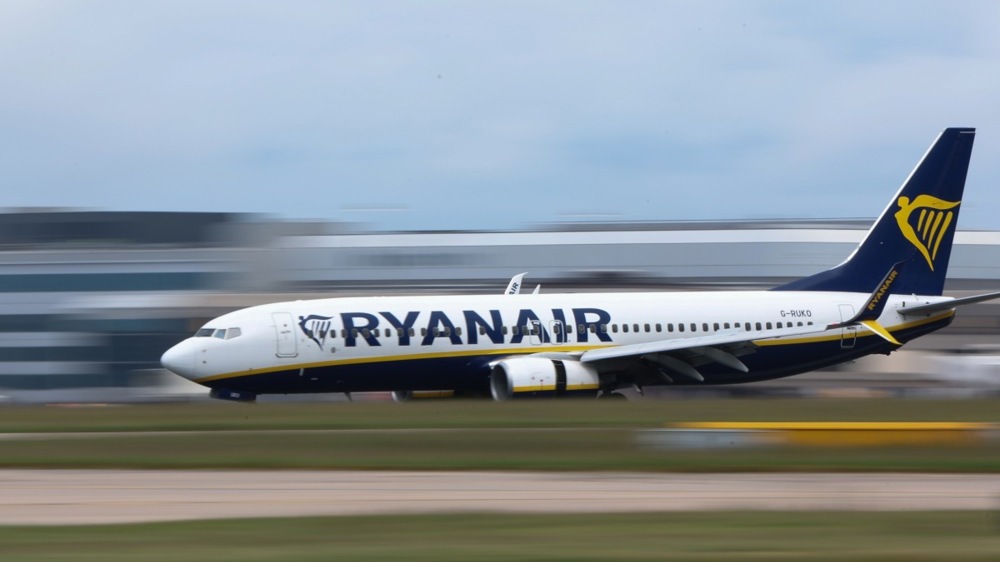
Ryanair Passenger Nearly Sucked Out of Aircraft During Flight as Regulators Launch Investigation
A terrifying mid-flight emergency unfolded on July 10th when a Boeing 737 operated by Malta Air, a subsidiary of budget airline giant Ryanair, was forced to make an emergency landing after a passenger was nearly pulled out of the aircraft. The incident has prompted aviation safety regulators to launch a comprehensive investigation into the circumstances that led to this harrowing near-disaster, raising fresh concerns about aircraft maintenance and safety protocols in the commercial aviation industry.
According to preliminary reports, the aircraft experienced what appears to have been a sudden cabin depressurization event during the flight. Witnesses aboard the plane described scenes of chaos and panic as the affected passenger was reportedly pulled toward what is believed to have been a compromised section of the aircraft. Quick action by crew members and fellow passengers prevented what could have been a catastrophic outcome. The pilot immediately initiated emergency descent procedures and diverted the aircraft to the nearest available airport, where it landed safely with all passengers and crew accounted for.
Cabin depressurization incidents, while relatively rare in modern commercial aviation, can occur due to various factors including structural failures, door seal malfunctions, window breaches, or problems with the aircraft’s pressurization system. At typical cruising altitudes of 35,000 to 40,000 feet, aircraft cabins are pressurized to simulate an altitude of approximately 6,000 to 8,000 feet, making the air breathable for passengers. When this pressurization is compromised suddenly, the resulting pressure differential can create powerful forces capable of pulling objects and even people toward the breach.
The Boeing 737, which has been in service since 1968, remains one of the most widely used commercial aircraft in the world, with thousands of units operating across various airlines globally. However, the aircraft family has faced increased scrutiny in recent years, particularly following two fatal crashes involving the 737 MAX variant in 2018 and 2019, which resulted in 346 deaths and led to a worldwide grounding of that model. While the aircraft involved in this Ryanair incident was reportedly a different variant, the emergency has nonetheless renewed discussions about Boeing’s manufacturing standards and quality control processes, especially in light of recent incidents including a door plug blowout on an Alaska Airlines 737 MAX 9 in January 2024.
Malta Air, the operator of the aircraft, is one of several subsidiary airlines that Ryanair uses to operate flights across its extensive European network. Established in 2019, Malta Air holds a Maltese Air Operator Certificate and primarily operates flights on behalf of the Ryanair Group. The parent company, headquartered in Dublin, Ireland, is Europe’s largest airline by passenger numbers, carrying over 180 million passengers annually across more than 2,400 daily flights. The budget carrier has built its business model on high aircraft utilization and quick turnaround times, which some aviation experts have previously suggested could potentially impact thorough maintenance inspections, though Ryanair has consistently maintained that safety remains its top priority.
Aviation safety authorities, including the European Union Aviation Safety Agency (EASA) and potentially the Malta Civil Aviation Directorate, are now working to determine the exact cause of the incident. Investigators will likely examine the aircraft’s maintenance records, conduct detailed structural inspections, and review cockpit voice recordings and flight data to piece together the sequence of events. Such investigations typically take several months to complete, with preliminary findings sometimes released earlier if immediate safety concerns are identified that require industry-wide attention.
This incident serves as a stark reminder of the potential dangers inherent in air travel and the critical importance of rigorous safety standards. While commercial aviation remains statistically one of the safest forms of transportation, with fatal accident rates measured in fractions per million flights, incidents like this one highlight the thin margin between routine flight and potential disaster. Passengers on the affected flight were offered support services following their traumatic experience, and the airline has stated it is cooperating fully with investigators. As the investigation proceeds, aviation authorities worldwide will be watching closely for any findings that might necessitate safety recommendations or regulatory changes affecting the broader industry.