
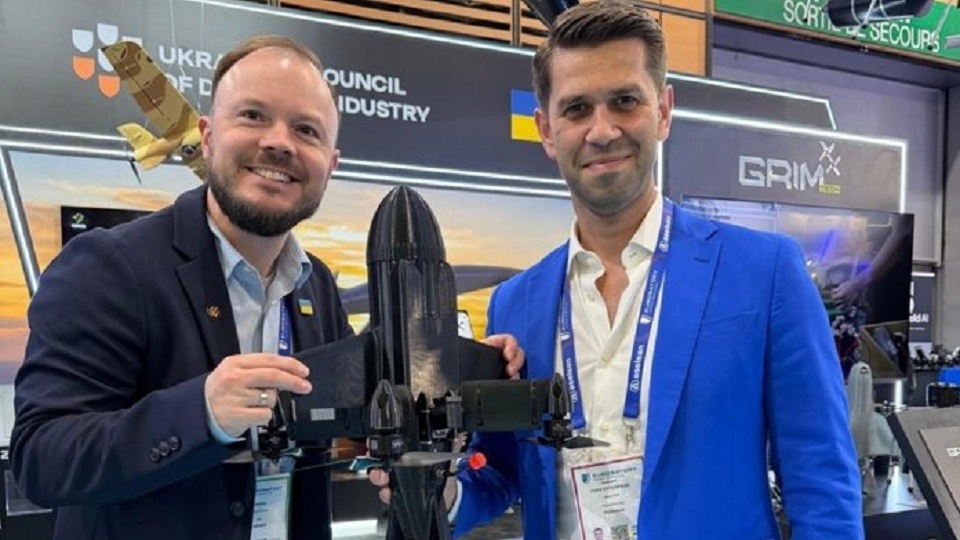
Romania to Localize Military Drone Production in Partnership with Ukrainian Company
Romania is taking a significant step toward strengthening its defense capabilities and establishing itself as a regional hub for military technology by localizing the production of combat unmanned aerial vehicles. A new manufacturing facility in Cluj-Napoca will produce military drones through a partnership with a Ukrainian defense company, marking an important milestone in Eastern European defense cooperation. The plant is expected to serve not only Romania’s domestic military needs but also supply drones to Ukraine and other European nations seeking to bolster their aerial reconnaissance and combat capabilities.
The decision to establish drone manufacturing capabilities on Romanian soil reflects the rapidly changing security landscape in Eastern Europe following Russia’s full-scale invasion of Ukraine in February 2022. The ongoing conflict has dramatically demonstrated the critical importance of unmanned aerial systems in modern warfare, with drones playing decisive roles in reconnaissance, artillery targeting, and direct strike missions. Both Ukrainian and Russian forces have employed thousands of drones throughout the conflict, fundamentally changing military tactics and prompting NATO allies to reassess their own drone capabilities and production capacity.
Cluj-Napoca, Romania’s second-largest city and a major technology hub, provides an ideal location for this advanced manufacturing operation. The city has developed a robust IT and engineering sector over the past two decades, with numerous multinational companies establishing research and development centers in the region. This existing infrastructure of skilled workers and technical expertise makes it well-suited for the precision manufacturing required in drone production. The facility will benefit from Romania’s membership in both NATO and the European Union, providing access to collaborative defense programs and potential funding mechanisms for expanding production capacity.
The partnership with a Ukrainian defense manufacturer represents a deepening of bilateral cooperation between Bucharest and Kyiv. Ukraine has emerged as an unlikely innovator in drone technology, with domestic companies rapidly developing and iterating new designs under the pressure of wartime necessity. Ukrainian firms have gained invaluable combat experience and technical knowledge that few other nations possess, making them attractive partners for countries seeking to develop their own drone industries. This technology transfer arrangement allows Romania to benefit from Ukraine’s hard-won expertise while providing Ukrainian manufacturers with additional production capacity outside the conflict zone.
The European dimension of this project cannot be understated. Many EU and NATO member states have recognized critical gaps in their drone capabilities compared to potential adversaries. The European Defence Agency has identified unmanned systems as a priority area for investment, and several initiatives are underway to develop common European drone platforms. Romania’s new facility could potentially contribute to these broader European efforts, producing drones that meet NATO standards and interoperability requirements. The plant’s ability to supply multiple European countries suggests ambitions beyond simply meeting Romanian military requirements.
Defense analysts note that localizing drone production offers several strategic advantages over relying solely on imports. Domestic manufacturing reduces supply chain vulnerabilities, ensures faster replacement of combat losses, and allows for customization to meet specific operational requirements. It also builds indigenous technical expertise that can support maintenance, upgrades, and future development programs. For Romania, which shares a border with Ukraine and has watched the conflict unfold with particular concern, developing robust domestic defense industrial capabilities has become an urgent priority rather than a long-term aspiration.
The Cluj-Napoca facility represents part of a broader trend of defense industrial cooperation emerging from the Ukraine conflict. Western nations have increasingly recognized that supporting Ukraine’s defense requires not just providing finished weapons systems but also helping build sustainable production capacity. This partnership model, where Ukrainian expertise combines with the manufacturing capabilities and resources of NATO allies, may serve as a template for future defense industrial arrangements. As European nations seek to reduce their historical dependence on American weapons systems and build greater strategic autonomy, initiatives like the Romanian drone plant could play an increasingly important role in continental security architecture.