
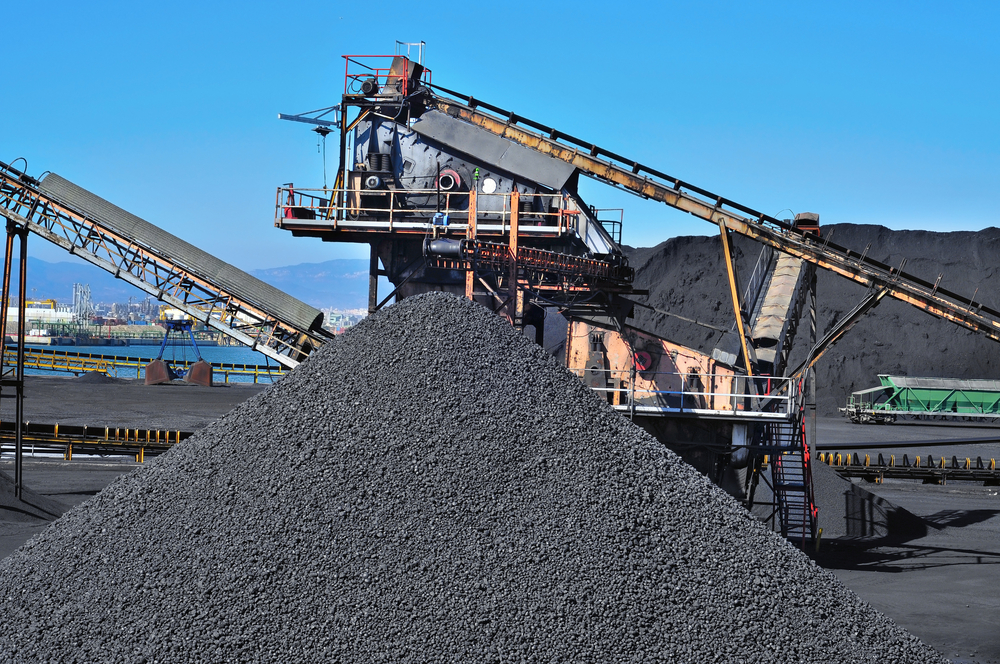
Russia Prepares to Sell Coal Companies to India Following Massive 600 Billion Ruble Losses
In a significant shift in the global energy landscape, Russia is reportedly preparing to sell several of its coal mining companies to Indian buyers, according to Reuters. This move comes after the Russian coal industry suffered staggering losses exceeding 600 billion rubles (approximately $6.5 billion), largely attributed to Western sanctions, declining export markets, and logistical challenges that have plagued the sector since 2022. The potential deal represents one of the largest resource-sector transactions between the two nations and signals a deepening of economic ties as both countries navigate an increasingly complex geopolitical environment.
India’s interest in acquiring Russian coal assets stems from its urgent need to secure reliable supplies of key raw materials essential for its rapidly expanding steel industry. As the world’s second-largest steel producer, India has been actively diversifying its supply chains to reduce dependence on any single source. The country’s steel production has grown substantially over the past decade, with output reaching approximately 140 million tonnes annually, and ambitious government targets aim to push this figure even higher as part of the “Make in India” initiative. Coking coal, a critical ingredient in steel manufacturing, remains a strategic priority for Indian policymakers and industrial leaders alike.
The Russian coal industry has faced unprecedented challenges since the imposition of Western sanctions following the conflict in Ukraine. European nations, which previously imported substantial quantities of Russian coal, have largely cut ties with Moscow’s energy sector. The European Union’s embargo on Russian coal, which took effect in August 2022, eliminated a market that once absorbed tens of millions of tonnes annually. This dramatic loss of traditional export destinations forced Russian coal producers to seek alternative buyers, often at significantly discounted prices, while simultaneously grappling with increased transportation costs and logistical bottlenecks along the eastern rail corridors leading to Asian ports.
The financial strain on Russian coal companies has been severe, with the reported 600 billion ruble loss representing a substantial portion of the sector’s total value. Many mining operations, particularly those in remote Siberian regions, have struggled to remain viable as profit margins collapsed. Infrastructure limitations have compounded these difficulties, as Russia’s Trans-Siberian Railway and connecting lines to Pacific ports operate near maximum capacity, creating lengthy delays and additional costs for exporters attempting to redirect coal shipments to Asian markets. These systemic challenges have made the prospect of selling assets to foreign buyers increasingly attractive to Russian stakeholders.
For India, the opportunity to acquire established coal mining operations presents several strategic advantages. Direct ownership of mining assets would provide greater control over supply chains and potentially more favorable pricing compared to spot market purchases. India currently imports approximately 55-60 million tonnes of coking coal annually, with Australia historically serving as the primary supplier. However, geopolitical considerations and price volatility have prompted Indian steel manufacturers and government officials to actively pursue diversification strategies. Investments in Russian coal assets would complement existing arrangements and reduce vulnerability to supply disruptions from any single source.
The potential transaction also reflects broader trends in the evolving relationship between Russia and India. Bilateral trade between the two nations has expanded dramatically since 2022, driven primarily by India’s increased purchases of Russian crude oil at discounted rates. This energy trade has created substantial rupee-ruble imbalances, and investments in Russian mining assets could help address this financial asymmetry while providing long-term strategic benefits to Indian industry. Both governments have expressed interest in expanding economic cooperation beyond hydrocarbons, with mining and metallurgy identified as priority sectors for future collaboration.
Industry analysts note that any deal would likely involve complex negotiations regarding valuation, payment mechanisms, and operational control. Western sanctions create additional complications, as international financial institutions and shipping companies may face restrictions that affect transaction processing and logistics. Nevertheless, both Indian and Russian officials have demonstrated willingness to develop alternative payment systems and trade routes to circumvent these obstacles. The outcome of these negotiations could set important precedents for future resource-sector deals between the two nations and reshape coal trade flows across the Asia-Pacific region for years to come.
As climate concerns continue to influence global energy policy, the long-term trajectory of coal demand remains uncertain. However, for developing economies like India, where energy access and industrial growth remain pressing priorities, coal will likely continue playing a significant role for decades. The potential acquisition of Russian coal assets represents a pragmatic response to current geopolitical realities while securing resources essential for India’s continued economic development. The coming months will reveal whether these negotiations produce concrete agreements that fundamentally alter the ownership structure of significant portions of Russia’s coal mining sector.