
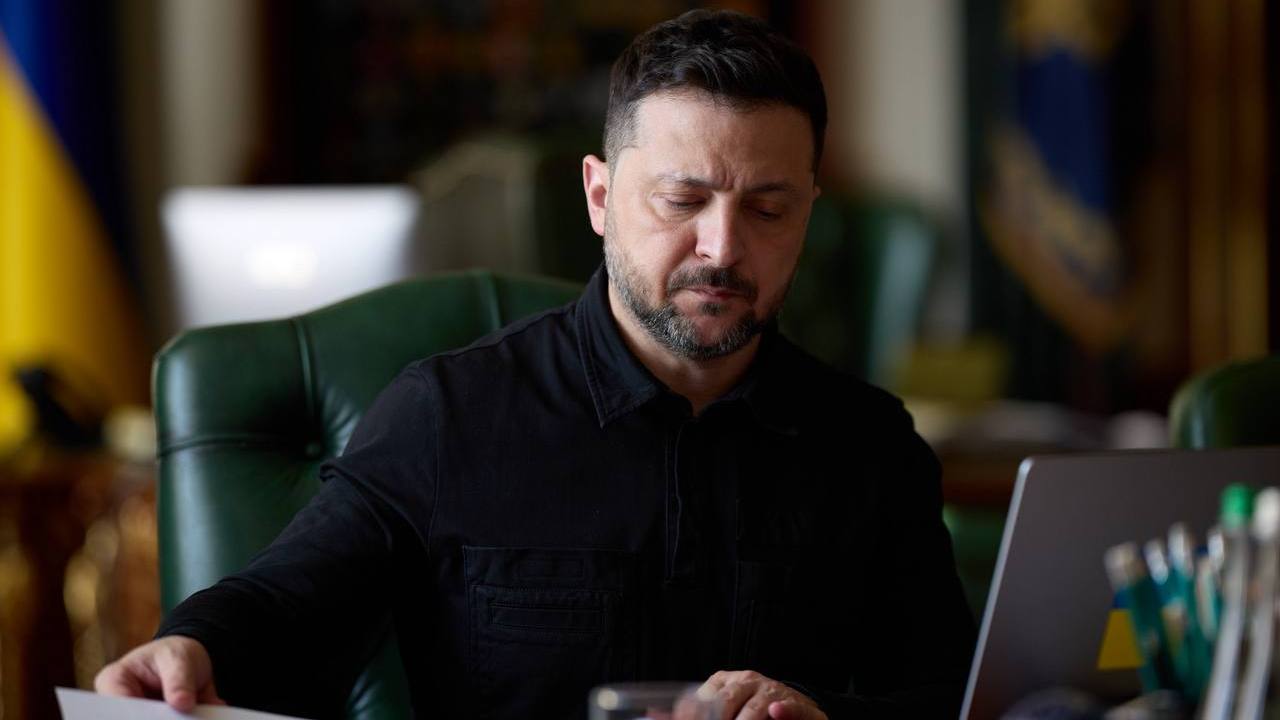
Ukraine Expands Sanctions Against Russia: Ten Telecommunications Companies Now Targeted
Ukrainian President Volodymyr Zelensky has enacted a new round of sanctions targeting Russia’s telecommunications sector, adding ten mobile operators and internet service providers to the country’s growing sanctions list. The decision, formalized through a presidential decree implementing a resolution by Ukraine’s National Security and Defense Council, represents another step in Kyiv’s ongoing economic warfare against Moscow amid the continuing military conflict that began with Russia’s full-scale invasion in February 2022.
The newly sanctioned entities include some of Russia’s largest and most influential telecommunications companies, which form the backbone of the country’s digital infrastructure. By targeting these specific companies, Ukrainian authorities aim to further isolate Russia’s technology sector and complicate its ability to maintain normal business operations both domestically and internationally. The sanctions typically involve asset freezes, restrictions on financial transactions, and prohibitions on cooperation with Ukrainian entities and partners.
This latest round of sanctions reflects Ukraine’s strategic approach to applying economic pressure on Russia through multiple vectors. Since the beginning of the full-scale war, Ukraine has systematically expanded its sanctions regime to encompass thousands of Russian individuals and hundreds of companies across various sectors, including energy, finance, defense, and technology. The telecommunications sector holds particular strategic importance, as it supports both civilian communications and can potentially facilitate military coordination and intelligence gathering activities.
The decision to target mobile operators and internet providers also carries symbolic weight, as these companies represent Russia’s connection to the global digital economy. Major Russian telecommunications firms have faced increasing isolation from Western technology suppliers and partners since 2022, forcing them to seek alternatives from China and other countries not participating in international sanctions. This has accelerated a broader technological decoupling between Russia and the West that experts believe will have long-term consequences for Russia’s economic development.
International sanctions experts note that telecommunications sanctions can be particularly effective because they disrupt the flow of information and commerce. Unlike some other sectors where sanctions may take years to show impact, restrictions on technology companies can produce more immediate effects by limiting access to software updates, cloud services, and international payment systems. However, analysts also caution that Russia has demonstrated significant resilience in adapting to sanctions pressure, often finding workarounds through third countries or developing domestic alternatives.
The Ukrainian sanctions regime operates in coordination with, but independently from, similar measures imposed by the European Union, United States, United Kingdom, and other allied nations. While there is significant overlap in targeted entities, Ukraine has also pursued sanctions against companies and individuals not yet designated by Western partners, often based on intelligence about their specific roles in supporting Russia’s war effort. This approach allows Kyiv to respond quickly to emerging threats and maintain pressure on entities that may escape broader international attention.
As the conflict approaches its fourth year, both sides continue to engage in economic warfare alongside military operations. Russia has retaliated against Ukrainian sanctions with its own countermeasures, while also targeting Ukraine’s energy infrastructure and economic capacity through military strikes. The telecommunications sanctions represent one component of a broader strategy that Ukrainian officials hope will eventually contribute to degrading Russia’s capacity to sustain its military campaign. Looking ahead, experts anticipate that Ukraine will continue expanding its sanctions list as the conflict evolves, targeting additional sectors and entities deemed to be supporting Russia’s war machine.