
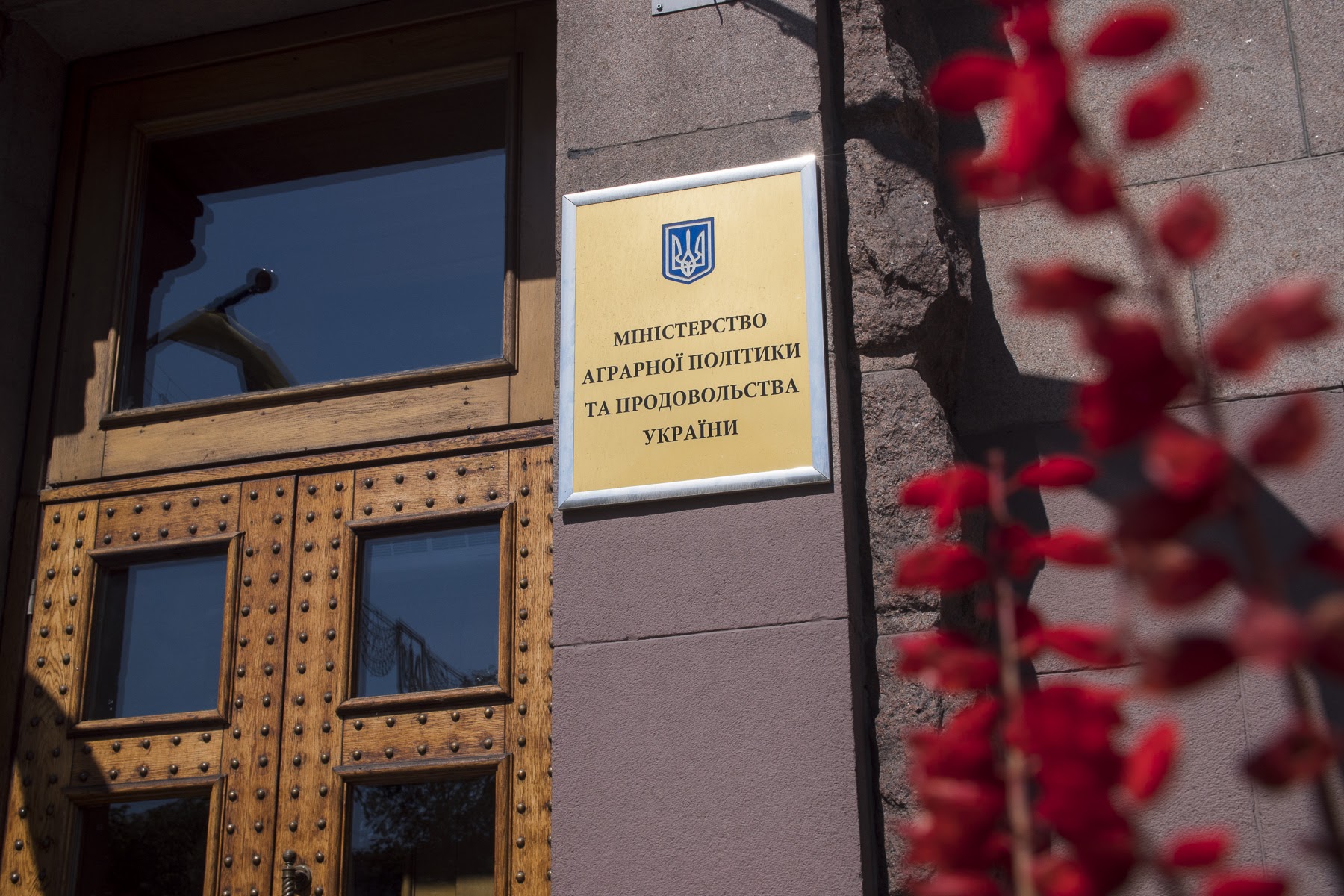
Ukraine Plans to Restore Ministry of Agriculture: 250 Billion Hryvnias at Stake in Major Government Restructuring
Ukraine is preparing for a significant governmental restructuring that would see the agricultural sector regain its own dedicated ministry. The proposal involves separating agricultural affairs from the current Ministry of Economy, Environment, and Agriculture — the largest ministry in the country’s history — and establishing a standalone Ministry of Agrarian Policy. This move comes as officials and industry experts argue that the agricultural sector, which manages approximately 250 billion hryvnias in annual budget allocations and support programs, requires specialized oversight and dedicated leadership to navigate the challenges of wartime economics and European integration.
The merger that created the current super-ministry occurred during previous governmental reforms aimed at streamlining bureaucracy and reducing administrative costs. At the time, proponents argued that combining economic, environmental, and agricultural portfolios would create synergies and improve coordination between related sectors. However, critics have consistently pointed out that agriculture — one of Ukraine’s most strategically important industries — has suffered from insufficient attention within the massive bureaucratic structure. The agricultural sector contributes approximately 10-12% of Ukraine’s GDP and accounts for roughly 40% of the country’s export revenues, making it a cornerstone of the national economy.
The push to restore the Ministry of Agrarian Policy reflects growing concerns among farmers, agricultural businesses, and rural communities that their interests have been marginalized. Ukraine possesses some of the world’s most fertile agricultural land, with approximately 42 million hectares of agricultural territory, including 32 million hectares of arable land featuring the famous black soil (chernozem) that is considered among the most productive on Earth. Managing such vast agricultural resources requires specialized expertise in areas ranging from crop science and livestock management to international grain trade negotiations and rural development programs. Advocates for the separate ministry argue that these complex responsibilities cannot receive adequate attention when buried within a ministry juggling multiple unrelated portfolios.
The financial stakes involved in this restructuring are substantial. The 250 billion hryvnias in question encompasses various agricultural support mechanisms, including direct subsidies to farmers, preferential lending programs, insurance schemes, and infrastructure development projects. Additionally, Ukraine’s agricultural sector has faced unprecedented challenges since the full-scale Russian invasion in February 2022, including the destruction of storage facilities, mining of agricultural lands, disruption of export routes through Black Sea ports, and significant labor shortages as workers joined the armed forces. A dedicated ministry, supporters argue, would be better positioned to address these wartime challenges and coordinate the massive reconstruction efforts that will be necessary once the conflict ends.
The proposed restructuring also has significant implications for Ukraine’s European integration aspirations. As the country advances toward European Union membership, its agricultural sector must align with complex EU regulations covering everything from food safety standards to environmental protection requirements. The Common Agricultural Policy (CAP) of the European Union is one of the bloc’s most complex and heavily funded programs, and Ukrainian farmers will eventually need to navigate its intricate subsidy systems and compliance requirements. Having a specialized ministry focused exclusively on agricultural matters could accelerate this harmonization process and ensure that Ukrainian farmers are prepared to compete in European markets while meeting EU standards.
Historical precedent supports the argument for specialized agricultural governance in Ukraine. The country has traditionally maintained a dedicated agricultural ministry throughout most of its independent history, recognizing the sector’s unique importance to national food security, rural employment, and export earnings. The Ministry of Agrarian Policy was responsible for developing and implementing policies that helped transform Ukraine into one of the world’s leading grain exporters, often ranking among the top five global exporters of wheat, corn, and sunflower oil. The sector employs millions of Ukrainians directly and indirectly, and rural communities across the country depend heavily on agricultural activity for their economic survival.
Critics of the proposed separation caution that creating additional government bodies could increase bureaucratic overhead and complicate inter-ministerial coordination. They argue that the integrated approach allows for better policy coherence between economic development, environmental protection, and agricultural production. However, proponents counter that the agricultural sector’s wartime losses — estimated at tens of billions of dollars in destroyed infrastructure, lost harvests, and occupied territories — demand focused leadership capable of advocating forcefully for the industry’s needs within government budget discussions and international donor negotiations. As Ukraine continues to balance wartime necessities with long-term development goals, the decision regarding the Ministry of Agrarian Policy’s future will signal the government’s priorities for one of the nation’s most vital economic sectors.