
Losses Reach 100,000 Items: How Ukrainian Fashion Brand Rikky Hype Is Rebuilding After Russian Strike Destroys Warehouse
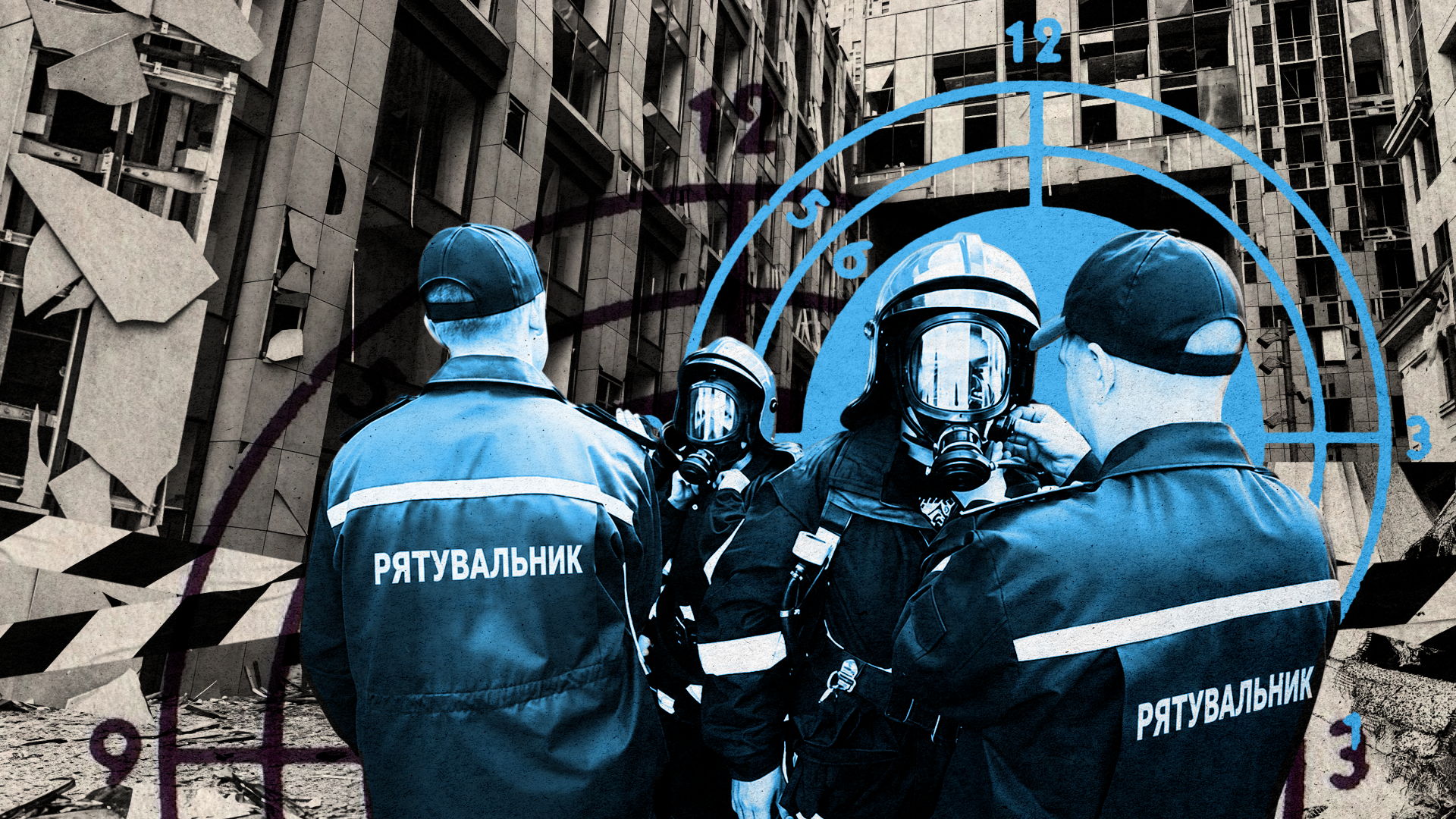
In the early hours of May 24, 2025, a Russian missile strike devastated the warehouse and production facilities of Rikky Hype, one of Ukraine’s most popular homegrown fashion brands. The attack, which targeted civilian infrastructure in what appears to be part of Russia’s ongoing campaign against Ukrainian economic assets, resulted in the complete destruction of the company’s inventory and manufacturing capabilities. The brand, known for its trendy streetwear and distinctive Ukrainian identity, now faces the monumental task of rebuilding from the ground up while continuing to serve its loyal customer base.
The scale of destruction is staggering. According to company representatives, approximately 100,000 individual clothing items were lost in the attack, representing months of production and significant financial investment. The warehouse housed not only finished products ready for distribution but also raw materials, manufacturing equipment, and the infrastructure necessary for the brand’s e-commerce operations. For a company that had grown from a small startup into a nationally recognized fashion label, the overnight loss represents both a devastating setback and a test of resilience that has become all too familiar for Ukrainian businesses operating during wartime.
Rikky Hype emerged during the Ukrainian fashion renaissance of the late 2010s, part of a wave of domestic brands that capitalized on growing national pride and a desire for locally-made alternatives to international fast fashion. The brand distinguished itself through bold designs that often incorporated Ukrainian cultural elements, patriotic messaging, and contemporary streetwear aesthetics. Before the full-scale invasion began in February 2022, the company had established a strong online presence and was expanding its retail footprint across major Ukrainian cities. The war forced many such businesses to adapt, relocate, and reimagine their operations, but few have faced such a direct and catastrophic blow as this recent attack.
The targeting of civilian economic infrastructure has been a consistent element of Russia’s military strategy throughout the conflict. Fashion brands, food production facilities, logistics centers, and retail operations have all suffered strikes that appear designed to undermine Ukraine’s economic stability and civilian morale. International observers and human rights organizations have documented thousands of such attacks, noting that the destruction of non-military targets violates international humanitarian law. For businesses like Rikky Hype, these strikes represent not just immediate financial losses but also the psychological toll of operating under constant threat.
Despite the devastation, Rikky Hype’s leadership has announced plans to rebuild and resume operations. The company has launched emergency fundraising efforts and is exploring partnerships with other Ukrainian manufacturers who might provide temporary production capacity. Social media channels have been flooded with messages of support from customers, fellow Ukrainian entrepreneurs, and international fashion industry figures who have watched Ukraine’s creative economy with admiration. The brand’s community has rallied around crowdfunding initiatives, with many pledging to purchase products as soon as they become available again, demonstrating the deep connection between Ukrainian consumers and domestic brands.
The recovery process will require not only financial resources but also time and strategic planning. Industry experts estimate that rebuilding manufacturing capacity and replenishing inventory could take six months to a year under normal circumstances, though wartime conditions add unpredictable variables. Supply chain disruptions, ongoing security concerns, and the challenge of sourcing equipment and materials all complicate the timeline. However, Ukrainian businesses have demonstrated remarkable adaptability throughout the conflict, with many companies successfully relocating westward, establishing backup facilities, and implementing distributed operations that reduce vulnerability to single-point attacks.
The Rikky Hype case highlights broader questions about the future of Ukrainian business during and after the war. Insurance coverage for war-related damages remains complicated and often inadequate, leaving many companies to rely on personal savings, loans, and community support to recover. International aid programs have begun addressing these gaps, with various funds established specifically to help Ukrainian small and medium enterprises survive the conflict. The fashion industry, in particular, has seen international solidarity, with global brands offering production partnerships, design collaborations, and platform access to help Ukrainian labels maintain their presence in the market.
As Rikky Hype begins its rebuilding journey, the company’s story serves as both a tragedy and a testament to Ukrainian determination. The loss of 100,000 products represents more than inventory numbers—it represents jobs, creative work, and the dreams of entrepreneurs who chose to build something meaningful in their homeland despite the risks. The coming months will reveal whether the brand can emerge from this crisis stronger, joining the ranks of Ukrainian businesses that have turned wartime adversity into stories of resilience and renewal. For now, the fashion community watches and waits, ready to support a brand that has come to symbolize not just Ukrainian style, but Ukrainian spirit.