
Russian Oil Exports to Hungary and Slovakia Through Druzhba Pipeline Return to Normal Levels
Oil deliveries from Russia to Hungary and Slovakia via the Druzhba pipeline have returned to normal operational levels, marking the first full month of stable supplies since essential repair work was completed on the critical infrastructure. May 2024 represents a significant milestone for both Central European nations, which remain heavily dependent on Russian crude oil despite broader European Union efforts to reduce energy ties with Moscow following the 2022 invasion of Ukraine.
The restoration of regular oil flows through the southern branch of the Druzhba pipeline comes as welcome news for Budapest and Bratislava, both of which secured exemptions from EU sanctions on Russian oil imports. These exemptions were granted in recognition of the landlocked countries’ geographical constraints and their refineries’ technical configurations, which were specifically designed to process Russian Urals crude oil. Converting these facilities to handle alternative crude grades would require substantial investments and considerable time.
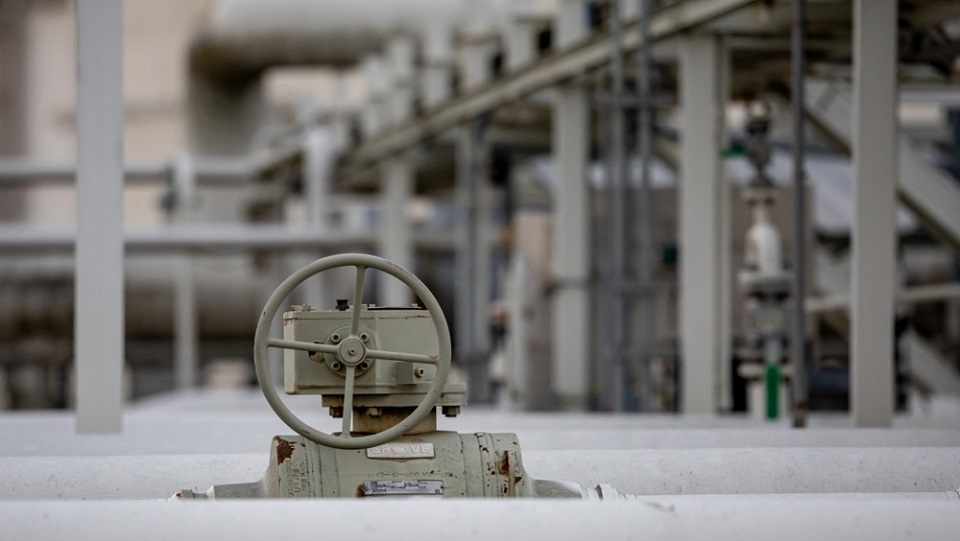
The Druzhba pipeline, whose name translates to “Friendship” in Russian, stands as one of the world’s longest oil pipeline networks and a remarkable feat of Soviet-era engineering. Constructed in the 1960s during the Cold War, the pipeline stretches over 5,500 kilometers from Russia’s western Siberian oil fields, branching into northern and southern routes to serve multiple European countries. At its peak, the system transported approximately 1.2 million barrels of crude oil per day, making it a vital artery for European energy security for over six decades.
Hungary and Slovakia have faced significant political pressure from other EU member states over their continued reliance on Russian energy supplies. Hungarian Prime Minister Viktor Orbán has been particularly vocal in defending his country’s energy policy, arguing that an immediate cessation of Russian oil imports would devastate the Hungarian economy. Slovakia has echoed similar concerns, emphasizing that energy security must be balanced with geopolitical considerations. Both nations have committed to gradually reducing their dependence on Russian hydrocarbons, but maintain that this transition cannot happen overnight.
The temporary disruption to oil flows earlier this year highlighted the vulnerabilities inherent in Central Europe’s energy infrastructure. Technical issues requiring repair work on the pipeline segments caused supply interruptions that forced Hungarian refiner MOL Group and Slovak refiner Slovnaft to draw down strategic reserves and seek alternative supply arrangements. These contingency measures came at premium costs, underscoring the economic rationale behind both countries’ insistence on maintaining the Russian supply route.
Energy analysts note that the normalization of Druzhba supplies occurs against a complex geopolitical backdrop. While Western sanctions have significantly curtailed Russian oil exports to most European markets, the exemptions granted to Hungary, Slovakia, and the Czech Republic have created a two-tier system within the EU. Russia continues to earn substantial revenue from these sales, though volumes are considerably lower than pre-war levels. Industry experts estimate that Russian crude deliveries through the southern Druzhba branch currently average between 250,000 and 300,000 barrels per day.
Looking ahead, both Hungary and Slovakia face the challenge of developing long-term strategies to diversify their energy supplies. The European Commission has urged all member states to accelerate investments in alternative infrastructure, including connections to Adriatic Sea ports that could receive crude from non-Russian sources. However, such projects require years of planning and construction, along with billions of euros in capital expenditure. For the foreseeable future, the Druzhba pipeline will remain an essential lifeline for Central European refineries, despite the political complications this dependency creates within the broader European community.
The resumption of normal oil flows also carries implications for energy prices in the region. Stable supplies through established pipeline routes typically offer cost advantages over seaborne alternatives, which require additional logistics and handling. Consumer groups in both Hungary and Slovakia have expressed hope that the restored supply reliability will help moderate fuel prices, which have remained elevated since the onset of the Ukraine conflict. Government officials in both capitals have indicated they will continue to prioritize energy affordability while working toward eventual diversification of supply sources.