
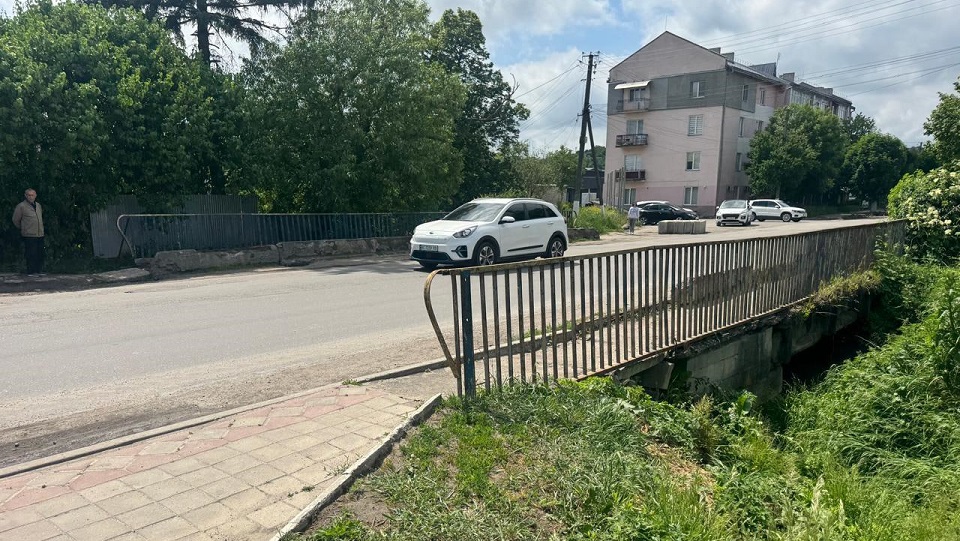
European Union Funds Major Restoration of 88-Year-Old Historic Bridge in Western Ukraine
A significant infrastructure restoration project has commenced in Ukraine’s Ternopil Oblast, where construction crews have begun repairing a historic bridge on the M-19 international highway near the town of Terebovlia. The bridge, which has served travelers for 88 years, is receiving a comprehensive overhaul funded primarily by the European Union, marking another milestone in EU-Ukraine cooperation on critical infrastructure development. The European Union will finance 90% of the total cost for both the bridge restoration and improvements to the approaching road sections, demonstrating the bloc’s continued commitment to supporting Ukraine’s transportation network despite the ongoing challenges facing the country.
The M-19 highway serves as a vital transportation corridor in western Ukraine, connecting major regional centers and facilitating both domestic travel and international commerce. This particular bridge in Terebovlia has been a crucial crossing point since its original construction in the 1930s, a period when the region was undergoing significant infrastructure development. Over nearly nine decades, the structure has weathered countless vehicles, harsh winters, and the general wear that comes with being part of a major transit route. The decision to restore rather than replace the bridge reflects both its structural soundness and the recognition of its historical significance to the local community.
The restoration project encompasses not only the bridge itself but also the approach roads leading to it, ensuring that the entire section of highway meets modern safety and capacity standards. Engineers and construction teams will address structural reinforcement, deck replacement, drainage improvements, and safety barriers as part of the comprehensive renovation. Such projects typically involve detailed assessments of the existing structure, careful preservation of historically significant elements, and integration of contemporary engineering solutions to extend the bridge’s service life for several more decades. The work represents the kind of infrastructure investment that directly impacts daily life for thousands of residents and commercial operators who depend on reliable road networks.
European Union funding for Ukrainian infrastructure projects has been a cornerstone of the partnership between Brussels and Kyiv, predating the current conflict and continuing as a symbol of solidarity and practical support. The EU’s infrastructure investments in Ukraine have historically focused on improving transportation corridors, border crossing facilities, and roads that connect Ukraine more closely with European markets. This particular funding arrangement, covering 90% of project costs, follows a common model where the EU provides the majority of financing while the recipient country contributes a smaller matching share, ensuring local investment and ownership in the project’s success.
Terebovlia itself holds considerable historical importance in the region, with roots stretching back to medieval times when it served as a fortified town along important trade routes. The town’s strategic location made it a natural crossing point, and infrastructure connecting communities in this part of western Ukraine has always played an essential role in regional development. The bridge being restored today is part of this long tradition of Terebovlia serving as a connectivity hub. For local residents, the restoration represents not just improved transportation but also recognition of their community’s continued importance in Ukraine’s broader infrastructure network.
Infrastructure projects like this one carry particular significance during the current period in Ukrainian history. While much attention focuses on reconstruction needs in war-affected eastern regions, maintaining and improving infrastructure throughout the country remains essential for economic stability and the movement of goods and people. The M-19 highway connects to border crossings and international routes that have become increasingly important for Ukraine’s trade relationships with European partners. Every improvement to this network strengthens Ukraine’s economic resilience and its integration with European transportation systems, supporting the country’s broader aspirations for EU membership.
The commencement of construction work on the Terebovlia bridge demonstrates that despite enormous challenges, progress continues on essential infrastructure projects across Ukraine. Local authorities have expressed gratitude for the European Union’s financial support, noting that such partnerships enable communities to undertake projects that would otherwise be delayed indefinitely due to budget constraints. As construction crews work to restore this 88-year-old structure to full functionality, they are simultaneously building connections between Ukraine and its European partners—connections that extend far beyond the physical span of a single bridge.