
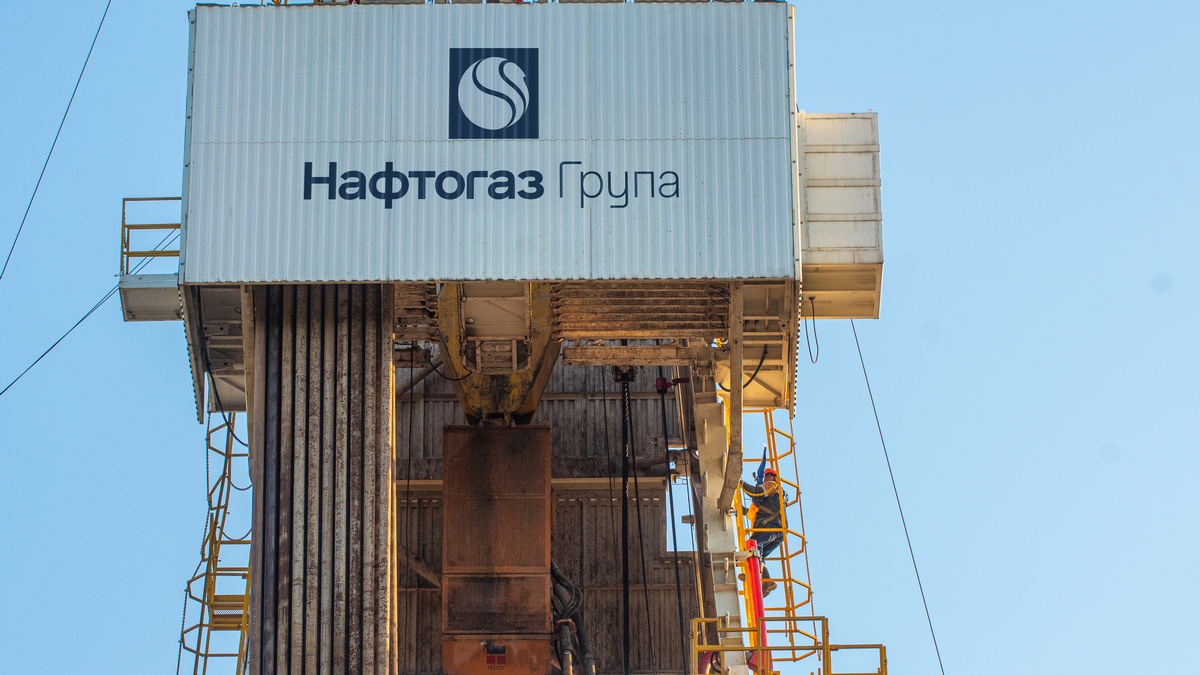
Naftogaz Secures New Eurobond Restructuring Deal, Postponing Debt Repayment Until 2032-2033
Naftogaz, Ukraine’s largest state-owned energy company, has successfully negotiated a new restructuring agreement for its Eurobonds, pushing back the repayment of its commercial debt obligations to 2032-2033. This landmark deal represents a critical lifeline for the energy giant as it continues to navigate the unprecedented challenges brought on by the ongoing war and the dramatic transformation of European energy markets.
The restructuring agreement comes at a pivotal moment for the company, which has been struggling to maintain financial stability amid the collapse of its traditional business model. Before Russia’s full-scale invasion in February 2022, Naftogaz generated substantial revenue from transit fees as Russian natural gas flowed through Ukrainian pipelines to European customers. However, the geopolitical upheaval has fundamentally altered these arrangements, forcing the company to seek new ways to manage its debt burden while continuing to provide essential energy services to Ukrainian citizens.
The debt restructuring follows a previous agreement reached in 2024, when Naftogaz first sought to reorganize its financial obligations in response to wartime conditions. That initial restructuring provided temporary relief, but the prolonged nature of the conflict and continuing economic pressures necessitated further negotiations with bondholders. The new terms effectively give the company nearly a decade of breathing room to stabilize its operations and potentially benefit from post-war reconstruction efforts.
Naftogaz holds strategic importance not only for Ukraine but for the broader European energy security landscape. The company operates one of the largest underground gas storage systems in Europe, with a capacity exceeding 30 billion cubic meters. These storage facilities have become increasingly valuable to European Union member states seeking to diversify their energy supplies and reduce dependence on Russian gas. Several European countries have already signed agreements to store natural gas in Ukrainian facilities, providing Naftogaz with new revenue streams.
Financial analysts view the successful restructuring as a positive signal for Ukraine’s sovereign debt management more broadly. The country has been working to maintain creditor confidence while managing the enormous costs of defending against Russian aggression. International partners, including the International Monetary Fund and bilateral donors, have provided substantial financial support, but Ukraine’s commercial debt obligations remain a significant concern for economic planners. The Naftogaz deal demonstrates that Ukrainian state enterprises can negotiate constructively with international creditors even under extreme circumstances.
The energy sector transformation extends beyond debt management. Naftogaz has been actively working to increase domestic gas production and reduce Ukraine’s historical dependence on imported energy. Before the war, Ukraine was already making progress toward energy independence, and despite the destruction caused by Russian attacks on energy infrastructure, the company has maintained its commitment to developing domestic resources. Investment in new extraction technologies and partnerships with international energy companies remain priorities for the company’s long-term strategy.
Looking ahead, the 2032-2033 repayment timeline aligns with optimistic projections for Ukraine’s post-war economic recovery. International financial institutions have estimated that rebuilding Ukraine could require investments exceeding $400 billion, with the energy sector representing a significant portion of reconstruction needs. The restructured debt terms give Naftogaz the financial flexibility to participate in this rebuilding process while meeting its obligations to bondholders. The agreement also preserves the company’s access to international capital markets, which will be essential for financing future infrastructure projects and maintaining Ukraine’s position as a key player in European energy transit and storage.