
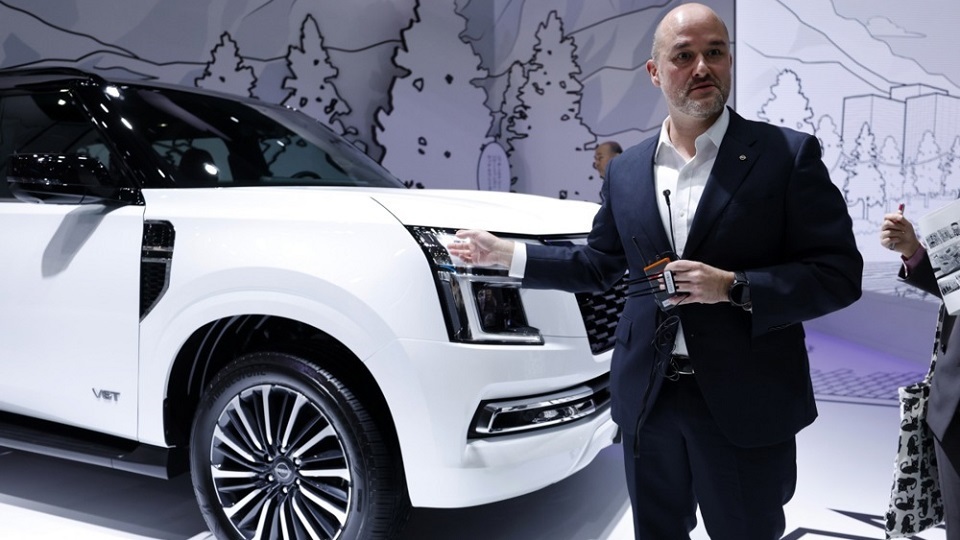
Nissan Plans to Cut New Vehicle Development Time in Half by Adopting Chinese Industry Practices
Japanese automotive giant Nissan Motor Company has announced an ambitious plan to dramatically accelerate its vehicle development timeline, aiming to reduce the process from the traditional four years to just two. This strategic shift comes as the struggling automaker seeks to regain its competitive edge in an increasingly fast-paced global automotive market, where Chinese manufacturers have been setting new standards for speed and efficiency in bringing new models to market.
The initiative represents a fundamental transformation in how Nissan approaches product development, with the company looking to integrate artificial intelligence technologies and adopt manufacturing practices that have proven successful for Chinese electric vehicle makers. Companies like BYD, NIO, and Xpeng have disrupted traditional automotive timelines by launching new models at a pace that legacy manufacturers have struggled to match, sometimes introducing updated vehicles in as little as 18 to 24 months.
Nissan’s decision to study and implement Chinese development methodologies marks a significant departure from traditional Japanese manufacturing philosophy, which has historically emphasized meticulous planning, extensive testing, and gradual refinement over speed to market. The Japanese automotive industry, long considered the gold standard for quality and reliability, now finds itself needing to adapt to survive in an era where consumer preferences and technology evolve at unprecedented rates. This pivot acknowledges that the competitive landscape has fundamentally changed, particularly in the electric vehicle segment where Chinese manufacturers have established clear dominance.
The company plans to leverage artificial intelligence across multiple stages of the development process, from initial design concepts to engineering simulations and quality testing. AI-powered tools can significantly reduce the time needed for crash simulations, aerodynamic testing, and component optimization, tasks that traditionally required months of physical prototyping and real-world testing. By creating digital twins of vehicles and running thousands of virtual scenarios, Nissan hopes to identify and resolve potential issues far earlier in the development cycle than conventional methods would allow.
This strategic realignment comes at a critical juncture for Nissan, which has faced significant challenges in recent years. The company has been working to recover from the aftermath of the Carlos Ghosn scandal, declining sales in key markets, and the need to accelerate its electrification efforts while managing substantial debt. In fiscal year 2024, Nissan announced plans to cut 9,000 jobs globally and reduce production capacity by 20 percent as part of a broader restructuring effort. The accelerated development timeline is seen as essential to launching competitive electric vehicles that can challenge both established rivals and the wave of affordable Chinese EVs entering global markets.
Industry analysts suggest that Nissan’s approach reflects a broader recognition across the automotive sector that traditional development cycles are no longer sustainable in the current market environment. The rise of software-defined vehicles, where over-the-air updates can continuously improve functionality after purchase, has changed consumer expectations about how quickly manufacturers should iterate and improve their products. Chinese automakers have excelled in this area, treating vehicles more like consumer electronics with rapid update cycles rather than static products designed to remain unchanged for years.
The implementation of this accelerated timeline will require significant changes to Nissan’s supplier relationships and internal processes. Traditional automotive supply chains operate on multi-year planning horizons, with component suppliers often needing years of lead time to develop and manufacture new parts. Nissan will need to work closely with its supplier network to create more flexible arrangements that can accommodate faster iteration cycles. The company may also need to invest in bringing more component development in-house or establishing closer partnerships with technology companies that operate at the faster pace of the consumer electronics industry.
Looking ahead, Nissan’s success with this initiative could have broader implications for the entire Japanese automotive industry, which includes Toyota, Honda, and other major manufacturers facing similar competitive pressures. If Nissan can successfully halve its development time while maintaining the quality standards that Japanese vehicles are known for, it could establish a new template for how legacy automakers compete in the electric vehicle era. However, the challenge of balancing speed with safety and reliability remains significant, as automotive products carry far greater consequences for failure than typical consumer electronics. The coming years will reveal whether Nissan can successfully blend Chinese speed with Japanese precision to create a new competitive formula for the twenty-first century automotive market.