
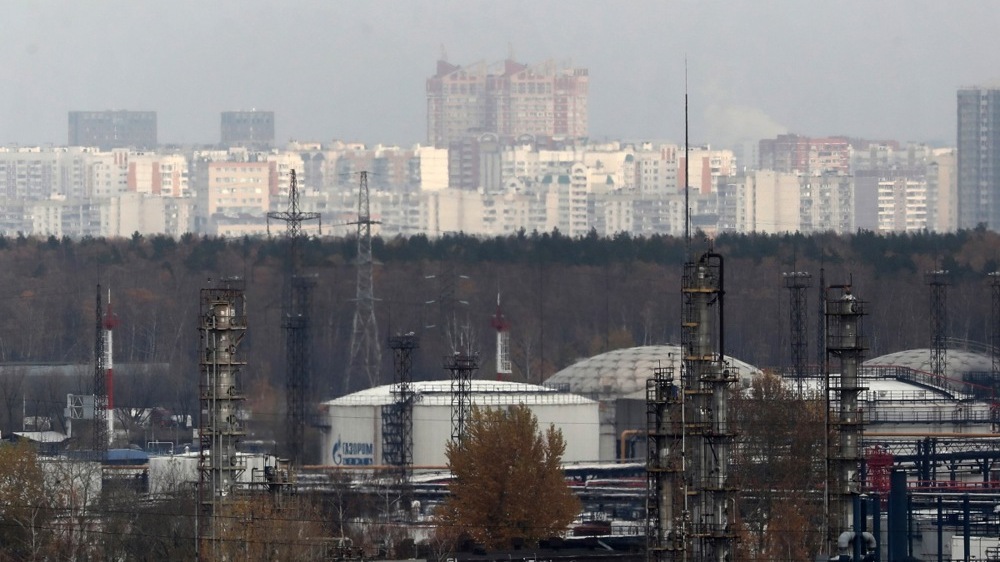
Russia Pays Billions in Compensation to Domestic Refineries, Significantly Reducing Oil and Gas Revenues
The Russian government disbursed a staggering 204.3 billion rubles (approximately $2.8 billion) to domestic oil refining companies in May 2025, marking an almost fivefold increase compared to the same period last year. This massive surge in compensation payments represents a significant drain on Russia’s oil and gas revenues, which have traditionally served as the backbone of the nation’s federal budget and economic stability.
The compensation mechanism, known as the “damper” system, was originally designed to stabilize domestic fuel prices by compensating refineries for selling products on the internal market rather than exporting them at higher international prices. When global oil prices rise significantly above domestic regulated prices, the government pays refineries the difference to prevent fuel shortages and price spikes within Russia. This system has become increasingly costly as the gap between international and domestic prices has widened amid ongoing geopolitical tensions and market volatility.
The dramatic increase in compensation payments reflects the mounting pressure on Russia’s energy sector following the implementation of Western sanctions and the price cap mechanism introduced by the G7 nations in late 2022. The price cap, set at $60 per barrel for Russian crude oil, was designed to limit Moscow’s oil revenues while keeping Russian oil flowing to global markets to prevent supply shortages. However, Russia has actively sought ways to circumvent these restrictions, including developing a “shadow fleet” of tankers and establishing new trade relationships with countries willing to purchase Russian oil outside the cap framework.
Energy analysts suggest that the surge in domestic subsidies indicates structural challenges within Russia’s oil industry that extend beyond immediate sanctions impacts. The country’s refining sector has faced significant difficulties, including reduced access to Western technology and equipment needed for maintenance and modernization. Several refineries have reportedly experienced operational disruptions, with some facilities targeted by Ukrainian drone strikes that have damaged processing capacity. These factors have combined to create a situation where maintaining domestic fuel supplies has become increasingly expensive for the Russian government.
The financial implications for Russia’s federal budget are substantial. Oil and gas revenues have historically contributed approximately 30-40% of the Russian government’s total budget income, making the sector critically important for funding everything from military operations to social programs. The increased compensation payments effectively reduce the net revenues that flow into state coffers, potentially forcing difficult choices about spending priorities. Some economists estimate that these subsidies, combined with lower-than-expected export revenues, could create significant budget deficits that may require drawing down sovereign wealth reserves or increasing domestic borrowing.
The situation also highlights the complex balancing act facing Russian economic policymakers. On one hand, they must maintain stable domestic fuel prices to prevent social unrest and support the broader economy during wartime conditions. On the other hand, every ruble spent on refinery compensation is a ruble not available for other government priorities. The Central Bank of Russia has already been grappling with elevated inflation rates, and fuel price increases could exacerbate these pressures. Meanwhile, the ongoing military operations in Ukraine continue to demand substantial financial resources, creating competing demands on limited government funds.
Looking ahead, energy market experts anticipate that Russia will likely need to continue these substantial compensation payments for the foreseeable future. Global oil markets remain volatile, and the structural challenges facing Russia’s refining sector are unlikely to be resolved quickly. Some analysts suggest that Moscow may eventually need to reform its fuel pricing mechanisms or accept higher domestic prices to reduce the fiscal burden. However, any such changes would carry significant political risks during a period of sustained military conflict and international isolation, making major policy shifts unlikely in the near term.