
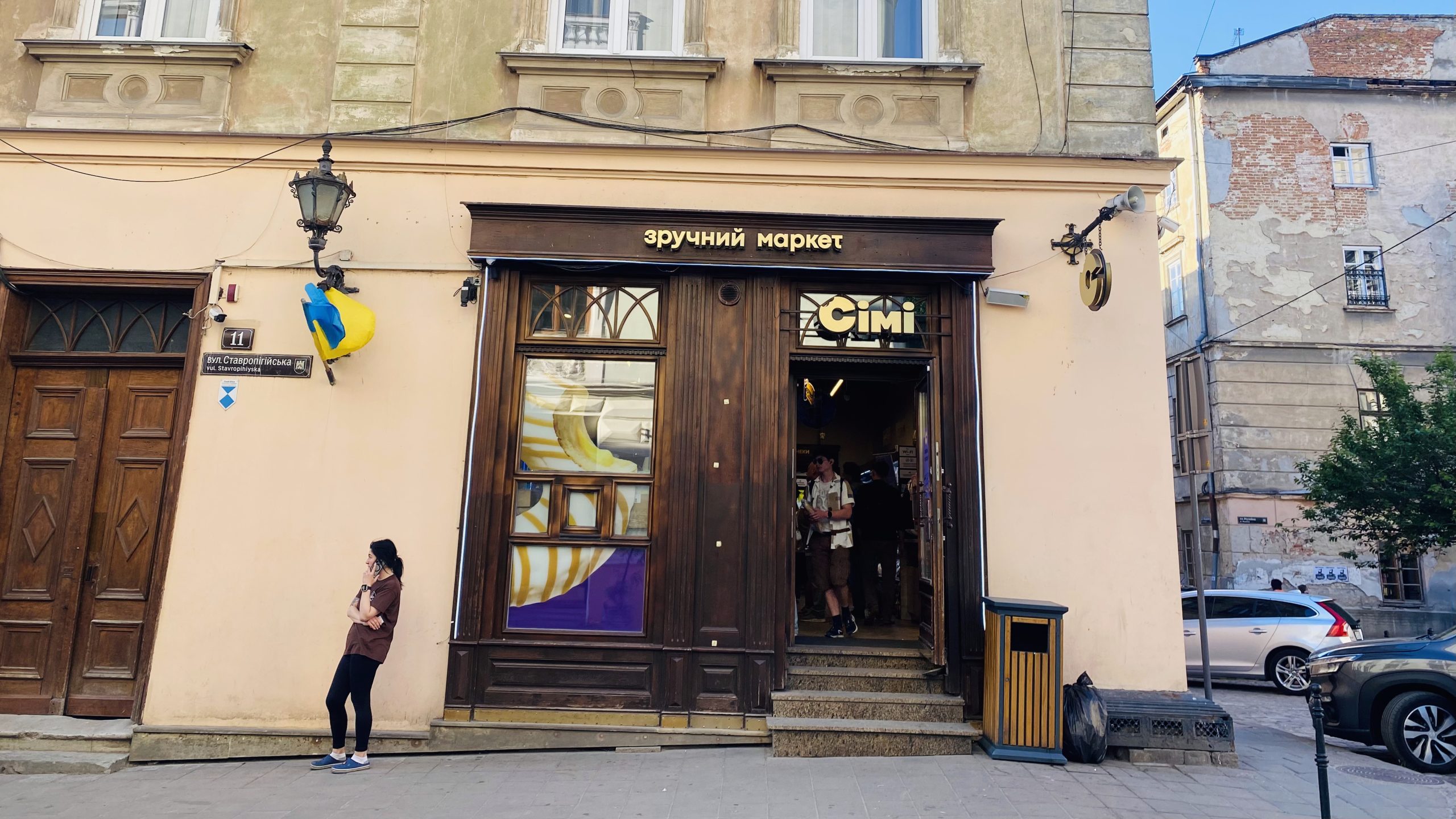
Ukraine’s Answer to Żabka: How ‘Simi’ Built a Youth-Focused Retail Empire of 500 Stores from Lutsk
In the heart of western Ukraine, a retail revolution has been quietly unfolding. What began as a modest convenience store concept in the city of Lutsk has transformed into one of Ukraine’s most dynamic retail success stories. The ‘Simi’ network, often compared to Poland’s wildly successful Żabka chain, has grown to an impressive 500 stores across the country, carving out a unique niche by specifically targeting young Ukrainian consumers with a fresh approach to neighborhood shopping.
The comparison to Żabka is no coincidence. The Polish convenience store giant, which operates over 10,000 locations across Poland and has become a cultural phenomenon among younger shoppers, served as an inspiration for Simi’s founders. Like its Polish counterpart, Simi recognized that traditional Ukrainian retail formats were failing to connect with a new generation of consumers who valued convenience, modern aesthetics, and a curated product selection over the sprawling aisles of hypermarkets or the dated atmosphere of Soviet-era corner shops.
The strategic genius behind Simi’s rapid expansion lies in its laser-focused understanding of youth consumer behavior. Ukrainian millennials and Generation Z shoppers have different expectations than their parents. They prioritize quick shopping experiences, prefer stores within walking distance of their homes or workplaces, and respond positively to contemporary store designs and digital integration. Simi stores typically feature clean, minimalist interiors with good lighting, organized shelving, and a product mix that emphasizes ready-to-eat meals, snacks, beverages, and essential daily items rather than bulk groceries.
The journey from a single location in Lutsk to a network of 500 stores represents remarkable growth in Ukraine’s competitive retail landscape. Lutsk, the administrative center of Volyn Oblast with a population of approximately 220,000, might seem an unlikely birthplace for a national retail chain. However, western Ukraine has historically been a breeding ground for entrepreneurial innovation, with its proximity to European markets and a strong tradition of small business development. The region’s entrepreneurs have often looked westward for inspiration while adapting concepts to local Ukrainian realities.
Ukraine’s retail sector has undergone significant transformation over the past two decades. Following independence in 1991, the country saw the gradual emergence of modern retail formats, with international players and domestic chains slowly replacing the fragmented landscape of kiosks and outdoor markets. Major networks like ATB, Silpo, and Fozzy Group came to dominate the supermarket segment, while the convenience store format remained relatively underdeveloped compared to Western European markets. This gap in the market created the perfect opportunity for concepts like Simi to flourish.
The focus on youth demographics has proven particularly astute given Ukraine’s changing consumer patterns. Young Ukrainians, especially those in urban areas, have increasingly adopted lifestyles similar to their European peers. They work longer hours, live in smaller apartments without extensive storage space, and prefer frequent small purchases over weekly bulk shopping trips. The rise of food delivery services and the gig economy has further reinforced the demand for quick, convenient retail options. Simi positioned itself perfectly at this intersection of changing lifestyles and unmet market needs.
The franchise and expansion model employed by Simi has enabled rapid scaling without the capital constraints that typically limit retail growth. By partnering with local entrepreneurs who understand their communities, the network has been able to maintain consistency in brand experience while adapting to local market conditions. This approach mirrors successful convenience store models worldwide, from 7-Eleven in Asia and North America to Żabka in Central Europe. Each store becomes a neighborhood hub, building relationships with regular customers who visit multiple times per week.
Despite the challenges posed by the ongoing conflict in Ukraine since 2022, retailers like Simi have demonstrated remarkable resilience. The convenience store format has actually proven advantageous during uncertain times, as consumers prioritize accessible neighborhood shopping over longer trips to distant shopping centers. The network’s concentration in western Ukraine, while expanding nationally, has provided some geographic stability during the conflict. Looking ahead, Simi’s growth trajectory suggests ambitious plans to continue expansion, potentially doubling its store count as it seeks to become the definitive convenience shopping destination for Ukraine’s next generation of consumers.