
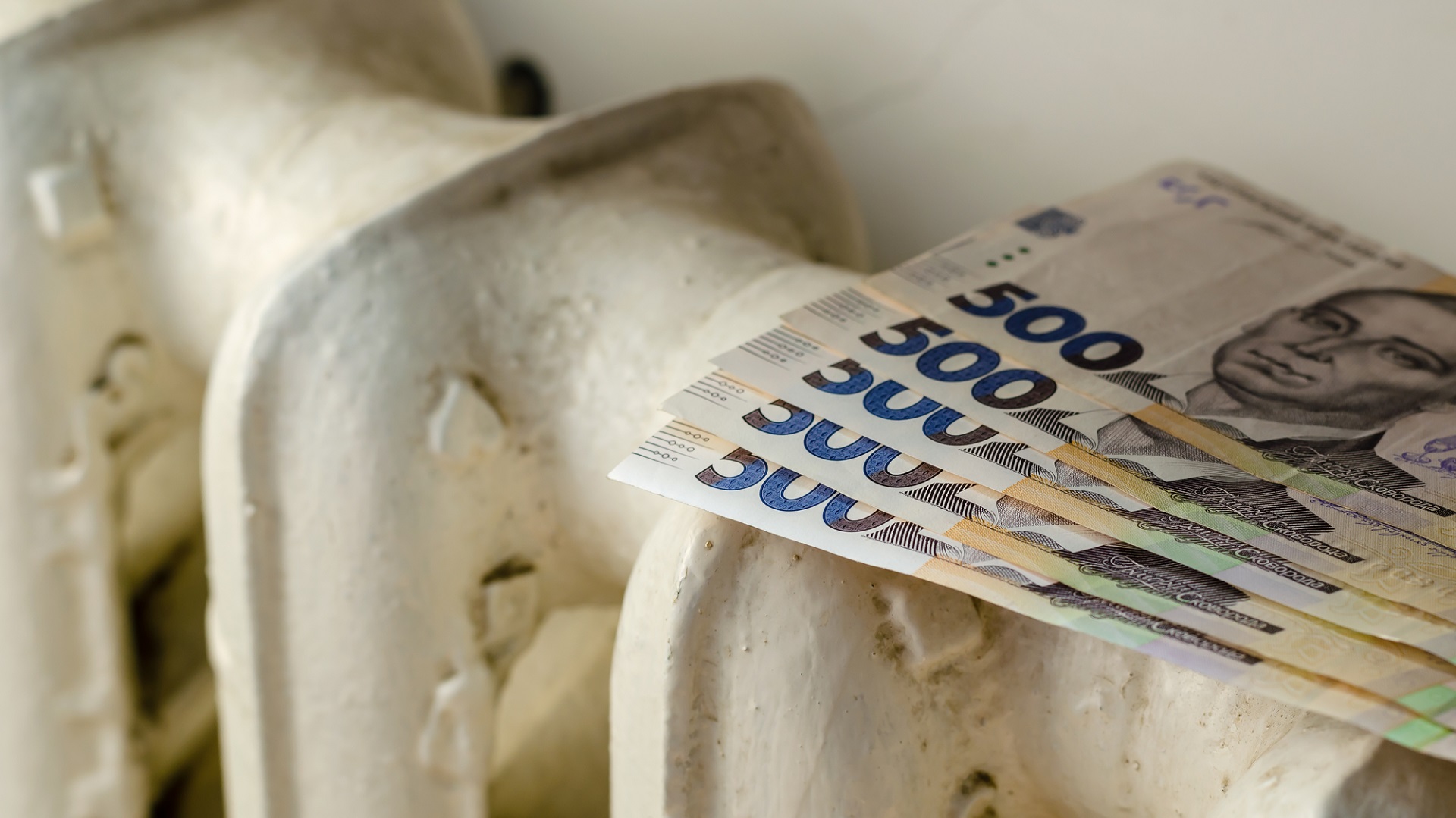
Kyiv Heat Supplier Reduces January 2026 Bills for 99% of Consumers Due to Service Disruptions
In a significant move affecting nearly all residential customers in Ukraine’s capital, Kyivteploenergo has announced substantial reductions in heating bills for January 2026. The municipal heating utility confirmed that approximately 99% of consumers will receive reduced charges following widespread service interruptions that plagued the city during one of the coldest months of the year. This decision comes as authorities work to address the ongoing challenges facing Ukraine’s energy infrastructure amid continued wartime pressures.
The recalculation of heating bills reflects the reality that many Kyiv residents experienced during January, when heating supply was inconsistent at best and completely absent at worst in numerous neighborhoods across the city. Under Ukrainian consumer protection laws, utility companies are obligated to adjust charges when services are not delivered as promised. Kyivteploenergo’s billing department conducted a comprehensive review of service delivery data, cross-referencing temperature readings, supply schedules, and customer complaints to determine appropriate reductions for each household.
The heating disruptions that prompted these bill adjustments are part of a broader pattern that has affected Ukrainian cities since the beginning of large-scale Russian attacks on energy infrastructure in late 2022. Over the past three years, Ukraine’s power grid and heating systems have been systematically targeted, with thermal power plants, substations, and distribution networks suffering repeated damage. Kyiv, as the largest city and capital, has been particularly affected, with its centralized district heating system serving millions of residents becoming increasingly vulnerable to supply chain disruptions and equipment failures.
District heating, known locally as “tsentralne opalennia,” remains the primary heating source for the vast majority of Kyiv’s residential buildings, particularly the Soviet-era apartment blocks that house most of the city’s population. This centralized system, while efficient when functioning properly, creates significant challenges when disruptions occur. Unlike individual heating systems, residents connected to district heating cannot simply switch to alternative sources when supply fails. Many families have been forced to rely on electric heaters, creating additional strain on the already burdened electrical grid, or resort to more dangerous heating methods.
Energy experts have noted that Ukraine’s heating infrastructure faces a compounding crisis. Years of underinvestment prior to 2022, combined with wartime damage and the difficulty of obtaining replacement parts, have left utilities like Kyivteploenergo struggling to maintain reliable service. The company has undertaken emergency repairs throughout the winter season, often working under dangerous conditions to restore service to affected areas. International partners, including the European Union and individual member states, have provided equipment and technical assistance, but the scale of damage continues to outpace repair capacity.
The financial implications of these bill reductions are substantial for both consumers and the utility company. For residents already struggling with wartime economic pressures, including job losses, displacement, and general inflation, any reduction in utility costs provides meaningful relief. However, Kyivteploenergo and similar municipal utilities face their own financial challenges, as reduced revenue limits their ability to invest in repairs and system improvements. This creates a difficult balancing act for city authorities, who must protect consumers while ensuring utilities remain financially viable enough to continue operations.
City officials have indicated that they are working on longer-term solutions to improve heating reliability for future winters. These plans include decentralization of some heating systems, installation of backup power supplies at critical pumping stations, and partnerships with international organizations to modernize aging infrastructure. Some neighborhoods have seen the installation of modular boiler houses that can operate independently of the main district heating network, providing resilience against system-wide failures.
As Kyiv residents receive their adjusted January bills, many are already looking ahead with concern to the remainder of the winter season and beyond. Climate data suggests that February and early March can bring significant cold spells to the region, and the threat of continued infrastructure attacks remains ever-present. The 99% figure cited by Kyivteploenergo underscores just how widespread the heating problems were, affecting virtually every corner of the city. For now, the bill reductions offer some consolation, but the underlying challenges facing Ukraine’s energy sector remain a defining feature of daily life in the nation’s capital.