
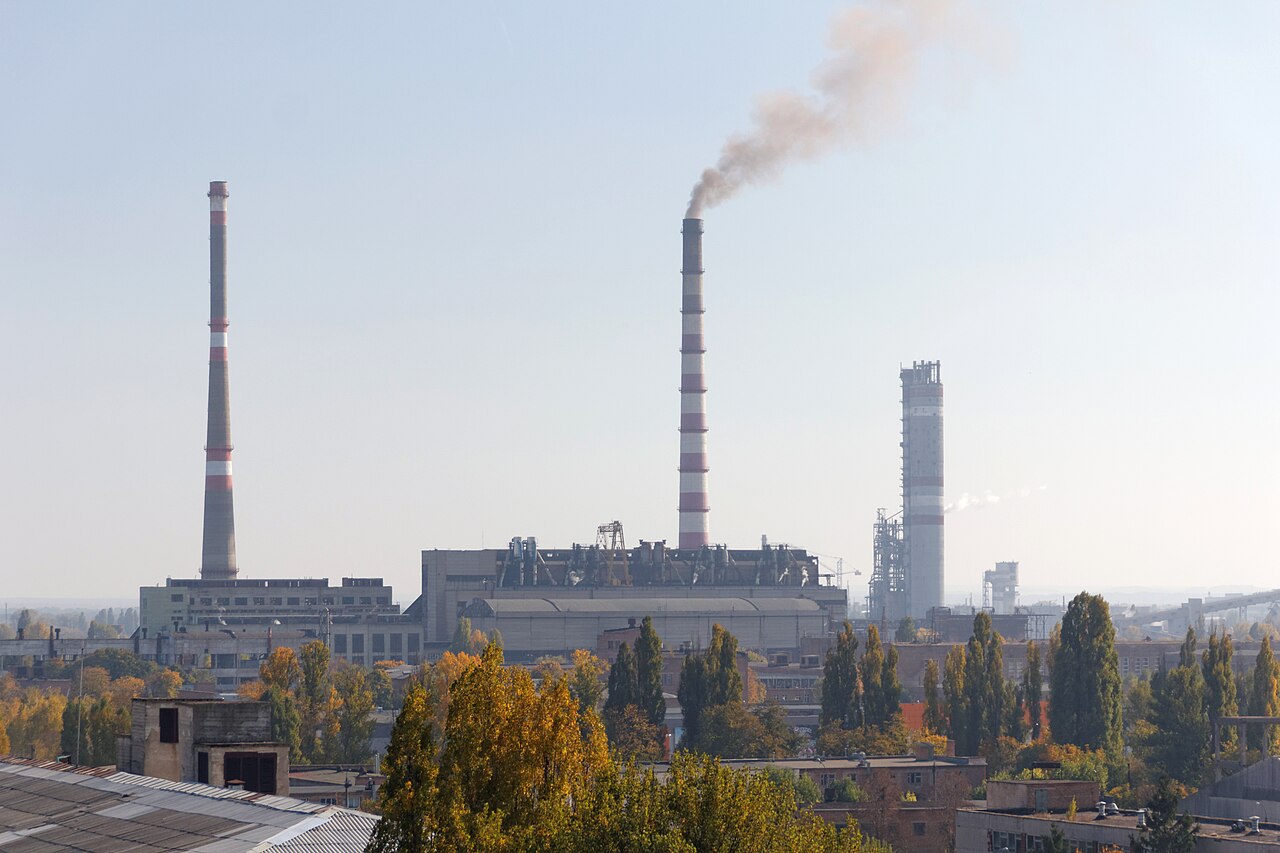
Cherkasy Thermal Power Plant Tenant Granted Debt Repayment Extension to Avert Bankruptcy
A Ukrainian commercial court has approved a preventive restructuring plan for Cherkassy Khimvolokno, the company that leases the Cherkasy Thermal Power Plant (TPP), providing the struggling enterprise with a critical lifeline to avoid bankruptcy proceedings. The decision comes at a particularly challenging time for Ukraine’s energy sector, which has been under immense pressure due to ongoing military conflicts and economic instability. The court-sanctioned restructuring will allow the company, owned by businessman Anatoly Shkriblyak, to spread its debt obligations over an extended period, giving it breathing room to stabilize operations and meet its financial commitments.
The preventive restructuring mechanism represents a relatively modern approach in Ukrainian corporate law, designed to help financially distressed companies reorganize their debts before reaching the point of insolvency. Unlike traditional bankruptcy proceedings, which often result in liquidation and significant losses for creditors, preventive restructuring allows businesses to continue operating while working out payment arrangements with their creditors. This approach has gained traction across Europe and was incorporated into Ukrainian legislation as part of broader judicial reforms aimed at creating a more business-friendly environment and protecting both debtors and creditors through transparent legal frameworks.
Cherkassy Khimvolokno has historically been one of the significant industrial enterprises in the Cherkasy region, with roots tracing back to the Soviet era when it was established as a chemical fiber production facility. Over the decades, the company diversified its operations and eventually became involved in energy production through its lease arrangement with the Cherkasy TPP. The thermal power plant plays a crucial role in providing heat and electricity to the city of Cherkasy, serving thousands of residents and numerous industrial consumers. The financial difficulties faced by the company therefore have implications far beyond its corporate boundaries, potentially affecting the energy security of an entire region.
Anatoly Shkriblyak, the owner of Cherkassy Khimvolokno, has been a notable figure in Ukrainian business circles, with interests spanning multiple industrial sectors. The approval of the restructuring plan suggests that creditors believe the company has a viable path forward and that recovery of their claims is more likely through continued operations than through liquidation. Court-supervised restructuring typically involves detailed negotiations between the debtor company and its creditors, resulting in a plan that specifies new payment schedules, potential debt reductions, and operational changes designed to improve the company’s financial position over time.
The energy sector in Ukraine has faced unprecedented challenges in recent years, with infrastructure damage, supply disruptions, and financial pressures affecting companies across the industry. Thermal power plants, which rely on coal and natural gas, have been particularly vulnerable to fuel supply issues and price volatility. Many energy companies have accumulated significant debts to fuel suppliers, grid operators, and other counterparties, creating a cascade of financial difficulties throughout the sector. The government has implemented various support measures, but individual companies have still needed to pursue their own restructuring efforts to remain viable.
The court’s decision to approve the restructuring plan reflects a broader trend in Ukrainian commercial jurisprudence toward preserving economically viable enterprises rather than allowing them to fail. Judges are increasingly recognizing that maintaining employment, tax revenues, and essential services often outweighs the immediate interests of creditors seeking rapid debt recovery. For Cherkassy Khimvolokno, the approved plan will likely include specific milestones and reporting requirements, with the court retaining oversight to ensure compliance with the restructuring terms.
Looking ahead, the success of the restructuring will depend on multiple factors, including the company’s ability to improve its operational efficiency, the broader economic environment in Ukraine, and the stability of the energy market. Creditors will be watching closely to ensure that payments are made according to the agreed schedule, while regional authorities will be monitoring the company’s ability to maintain reliable energy services to the community. The case serves as an important precedent for other struggling enterprises in Ukraine’s industrial sector, demonstrating that preventive restructuring can provide a viable alternative to bankruptcy when implemented properly and with the cooperation of all stakeholders involved.