
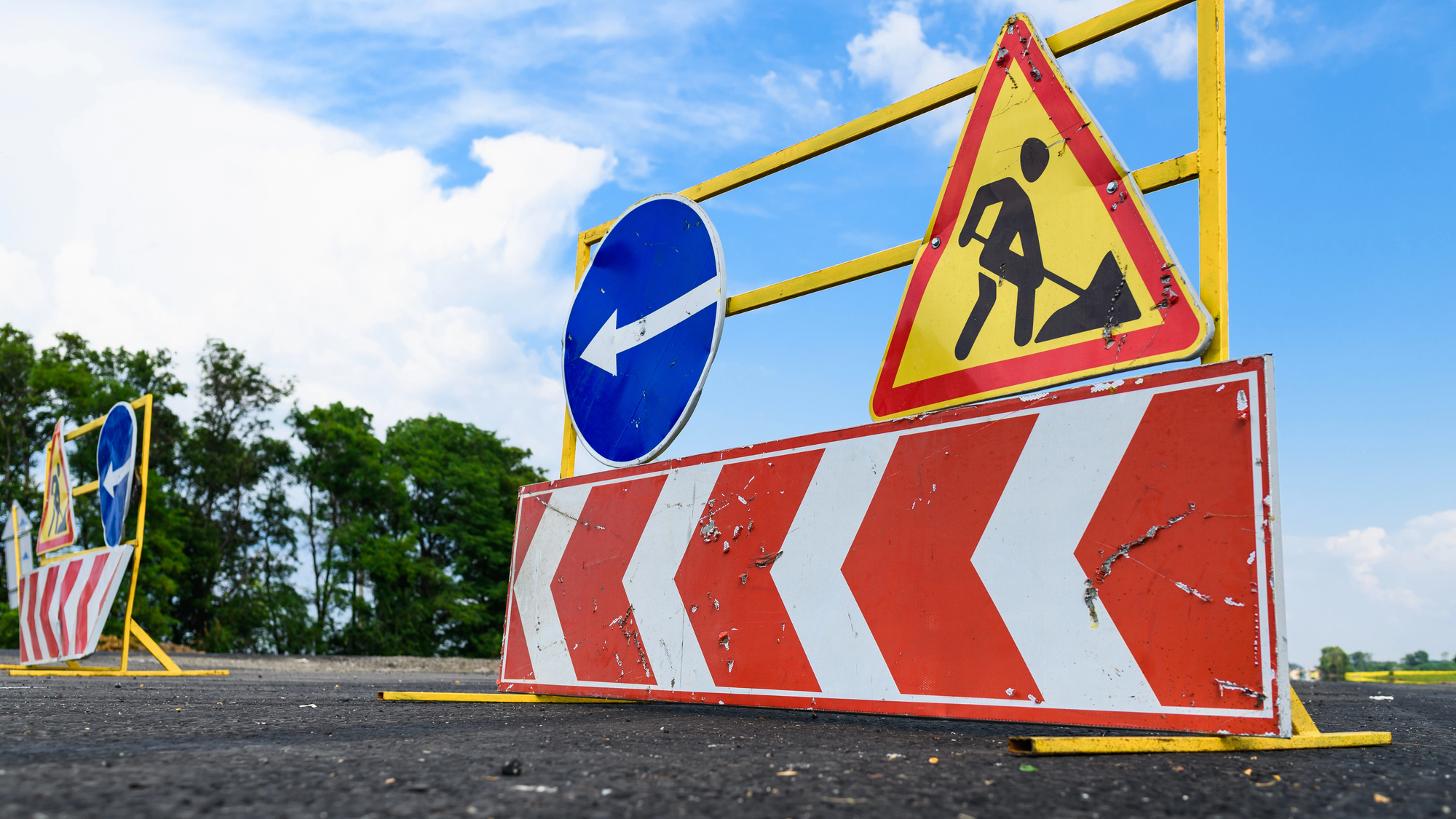
Ukraine Allocates 3.5 Billion Hryvnias for Emergency Repair of Local Roads
The Ukrainian government has announced a significant allocation of 3.5 billion hryvnias for the urgent repair of local roads across the country. This substantial funding will target the most critical sections of local road networks that have deteriorated to dangerous conditions, with repairs to be conducted under a co-financing arrangement between central and local authorities. The decision reflects the ongoing challenges Ukraine faces in maintaining its transportation infrastructure amid competing priorities and limited resources.
The co-financing model represents a strategic approach to road repair that has become increasingly common in Ukraine’s infrastructure development strategy. Under this arrangement, local governments must contribute a portion of the repair costs, ensuring that regional authorities have a vested interest in the quality and longevity of the work performed. This system also helps stretch limited central government funds further, allowing more kilometers of damaged roadway to be addressed than would be possible with purely centralized funding.
Ukraine’s road infrastructure has long been a source of concern for both citizens and economic planners. According to various estimates, a significant percentage of the country’s local roads fail to meet modern safety and quality standards. Years of insufficient maintenance, harsh winter conditions, heavy freight traffic, and the ongoing impacts of the conflict have all contributed to the deterioration of road surfaces. Poor road conditions not only inconvenience travelers but also increase vehicle maintenance costs, raise accident rates, and hamper economic activity by making the transport of goods more expensive and time-consuming.
The importance of local roads cannot be overstated in the Ukrainian context. While major highways connect large cities and serve as arteries for international commerce, local roads form the capillaries of the transportation system, linking rural communities to markets, schools, hospitals, and essential services. For agricultural regions that form the backbone of Ukraine’s economy, well-maintained local roads are crucial for transporting harvests to processing facilities and export terminals. The spring and autumn periods are particularly critical, as seasonal rains can render already-damaged roads virtually impassable.
The 3.5 billion hryvnia allocation comes as part of broader efforts to modernize Ukraine’s transportation infrastructure. In recent years, the government has undertaken ambitious road construction and repair programs, including the well-known “Big Construction” initiative that aimed to transform the country’s road network. While that program focused heavily on major routes and highways, the current funding specifically targets local roads that often receive less attention but directly impact the daily lives of millions of Ukrainians living in smaller towns and villages.
Infrastructure experts have noted that sustainable road maintenance requires consistent, long-term investment rather than sporadic emergency repairs. The co-financing approach encourages local governments to plan ahead and budget for road maintenance, potentially breaking the cycle of neglect followed by expensive emergency interventions. Some regions have already demonstrated success with this model, establishing road funds and maintenance schedules that keep their networks in better condition than the national average.
The identification of “most critical sections” suggests that authorities will prioritize repairs based on traffic volume, safety concerns, and strategic importance. This triage approach is necessary given that available funds, while substantial, cannot address all of the country’s road repair needs simultaneously. Local authorities will likely work with regional road services to assess conditions and submit priority lists for funding consideration. The success of this program will ultimately be measured not just in kilometers of road repaired, but in the tangible improvements to safety, connectivity, and quality of life for communities served by these vital transportation links.