
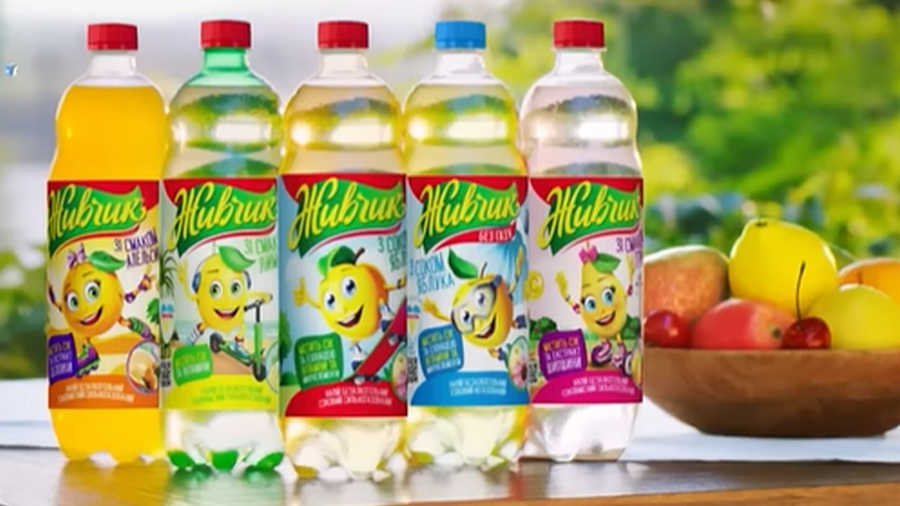
Ukrainian Beverage Brand Zhyvchyk Announces Dual Design Strategy: Both Classic and New Packaging to Remain Available
In a significant move that acknowledges the power of consumer sentiment and brand nostalgia, Ukrainian soft drink manufacturer Zhyvchyk has announced it will continue producing beverages in both its classic and newly redesigned packaging. The company issued an official statement addressing recent discussions surrounding changes to its product design, confirming that loyal customers who prefer the traditional look will still be able to find their favorite drinks in familiar packaging alongside the updated versions.
The decision comes after what appears to be considerable feedback from consumers regarding the brand’s visual identity. Zhyvchyk, which has been a staple in Ukrainian households for decades, clearly recognized that its classic design holds sentimental value for many customers who have grown up with the product. By maintaining both packaging options, the company is attempting to bridge the gap between modernization efforts and preservation of brand heritage that resonates deeply with its consumer base.
This dual-design approach reflects a broader trend in the beverage industry where companies must carefully balance innovation with tradition. Marketing experts note that brand redesigns can be particularly risky for products with strong emotional connections to consumers. Studies have shown that dramatic changes to beloved product packaging can lead to significant drops in sales, as customers may fail to recognize products they have purchased for years or may feel alienated by unfamiliar visual elements. The Coca-Cola Company’s infamous “New Coke” disaster of 1985 remains a cautionary tale in marketing circles, demonstrating how strongly consumers can react to perceived changes in their favorite brands.
Zhyvchyk occupies a unique position in the Ukrainian beverage market, having established itself as more than just a soft drink but as a cultural touchstone. The brand, whose name translates to something akin to “lively one” or “energetic one,” has built its identity around themes of vitality, natural ingredients, and Ukrainian heritage. For many consumers, particularly those who remember the brand from their childhood, the original packaging design carries memories and associations that transcend mere product recognition. This emotional connection explains why changes to such established brands often generate passionate responses from loyal customers.
The company’s decision to offer both design variants simultaneously represents a compromise that few brands attempt due to the logistical and financial complexities involved. Maintaining dual packaging lines requires additional production planning, inventory management, and shelf space negotiations with retailers. However, the approach allows Zhyvchyk to test market reception of its new design while providing a safety net through continued availability of the classic version. This strategy could provide valuable data about consumer preferences across different demographics and regions within Ukraine.
Industry analysts suggest that Zhyvchyk’s announcement may also be influenced by the current economic and social climate in Ukraine. During times of uncertainty and change, consumers often seek comfort in familiar products and brands that provide a sense of continuity and normalcy. Maintaining the classic design could be seen as a gesture of stability and respect for tradition during challenging times. Additionally, Ukrainian brands have experienced renewed interest and support from domestic consumers who are increasingly conscious about supporting local businesses and products that represent their national identity.
The beverage industry in Ukraine has undergone significant transformations in recent years, with both domestic and international brands competing for market share. Local brands like Zhyvchyk face the constant challenge of remaining relevant to younger consumers while not alienating their established customer base. The dual-packaging strategy could serve as a template for other heritage brands facing similar dilemmas about modernization. As consumer preferences continue to evolve, the ability to adapt while honoring brand history may become an increasingly valuable competitive advantage in the marketplace.