
Poland’s Largest Marketplace Allegro Tests Ukrainian Waters: Should Rozetka and Epicentr Be Worried?
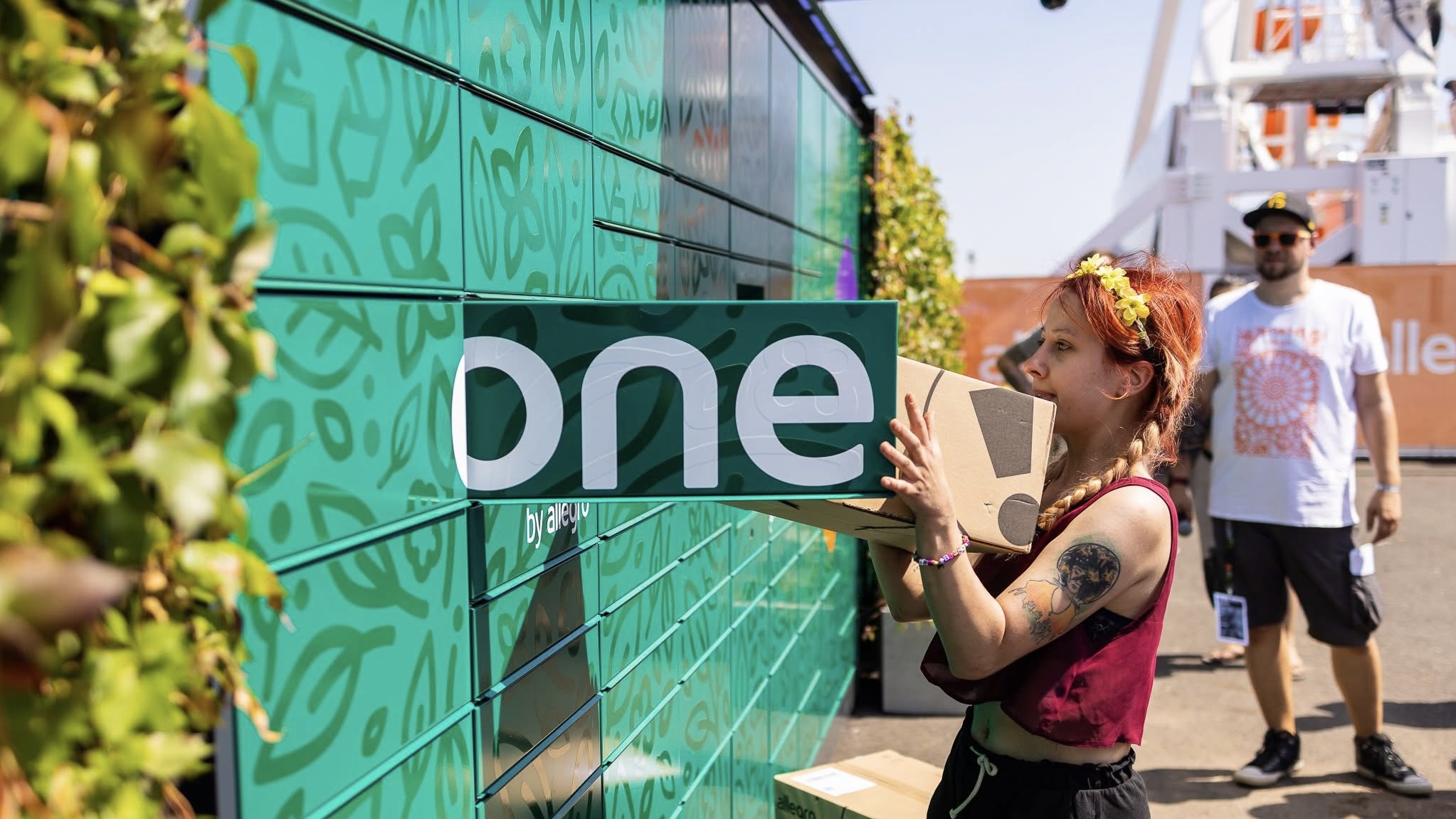
Poland’s e-commerce giant Allegro has begun testing delivery services to Ukraine, marking a potentially significant shift in the Eastern European online retail landscape. The move signals growing interest from major European players in the Ukrainian market, despite the ongoing challenges posed by the war. As the largest online marketplace in Poland with over 20 million active buyers, Allegro’s expansion could reshape competition dynamics for established Ukrainian platforms including Rozetka, Epicentr, and Prom.ua.
Allegro, founded in 1999 and now a publicly traded company on the Warsaw Stock Exchange, has built its reputation as the dominant force in Polish e-commerce. The platform operates similarly to Amazon and eBay, offering everything from electronics and fashion to home goods and automotive parts. With annual gross merchandise value exceeding 50 billion Polish zloty, Allegro controls approximately 35% of Poland’s online retail market. The company’s sophisticated logistics network, seller-friendly policies, and strong brand recognition have made it a formidable competitor that has successfully fended off Amazon’s attempts to gain significant market share in Poland.
The Ukrainian e-commerce market, despite the devastating impact of Russia’s full-scale invasion, has shown remarkable resilience and continues to attract international attention. Before the war, Ukraine’s online retail sector was growing at approximately 25-30% annually, with total market volume reaching nearly $4 billion. While the conflict initially caused a sharp decline, the market has adapted with Ukrainian consumers increasingly relying on online shopping due to disrupted physical retail infrastructure and population displacement. Industry analysts estimate that e-commerce penetration in Ukraine could accelerate post-war, potentially reaching 15-20% of total retail sales compared to pre-war levels of around 9%.
For Allegro, entering Ukraine presents both significant opportunities and substantial challenges. The primary obstacles include complex logistics in a country still engaged in active conflict, currency volatility, payment processing complications, and the need to build consumer trust from scratch. Cross-border delivery costs could make Allegro’s offerings less competitive compared to local platforms that have established domestic fulfillment networks. Additionally, the company must navigate customs procedures, import regulations, and potential delays that could frustrate Ukrainian consumers accustomed to rapid delivery times from local marketplaces.
Ukraine’s current e-commerce leaders have spent years building robust ecosystems that extend beyond simple marketplace functions. Rozetka, often called the “Ukrainian Amazon,” dominates the market with an estimated 50% share of online retail. The platform has developed an extensive network of pickup points, its own delivery service, and strong relationships with both major brands and small sellers. Epicentr, traditionally a home improvement retailer, has aggressively expanded its online presence and leverages its nationwide store network for omnichannel fulfillment. These established players benefit from deep understanding of local consumer preferences, Ukrainian-language customer service, and payment methods tailored to the domestic market including popular options like cash on delivery.
However, Allegro brings certain competitive advantages that could appeal to Ukrainian consumers. The platform offers access to a vast selection of European products that may not be readily available through local marketplaces, potentially at competitive prices due to Poland’s geographic proximity and established trade relationships with Ukraine. Polish-Ukrainian economic ties have strengthened considerably since 2022, with Poland becoming one of Ukraine’s most important trading partners. Many Ukrainians who fled to Poland during the war have become familiar with Allegro, potentially creating a base of customers who already trust the platform. Furthermore, Allegro’s experience in competing against global giants like Amazon has honed its operational efficiency and customer experience capabilities.
Market experts suggest that Allegro’s Ukrainian expansion, if successful, could follow a gradual approach rather than an aggressive market capture strategy. The company may initially focus on niche categories where local competition is weaker or where European products hold particular appeal. Electronics, fashion, and specialty goods could serve as entry points before potentially expanding into broader categories. Some analysts believe Allegro might eventually seek partnerships or acquisitions in Ukraine rather than building infrastructure from scratch, similar to strategies employed by other international e-commerce players entering new markets.
The competitive implications for Ukrainian platforms remain uncertain but warrant attention. While Rozetka and other local players currently enjoy significant advantages in terms of logistics, local knowledge, and consumer relationships, the entry of a well-capitalized European competitor could accelerate innovation and potentially compress margins. Ukrainian platforms may need to invest more heavily in technology, expand product selections, and improve service levels to maintain their market positions. Ultimately, increased competition could benefit Ukrainian consumers through better prices, wider selection, and improved shopping experiences, regardless of which platforms ultimately prevail in this evolving market.